
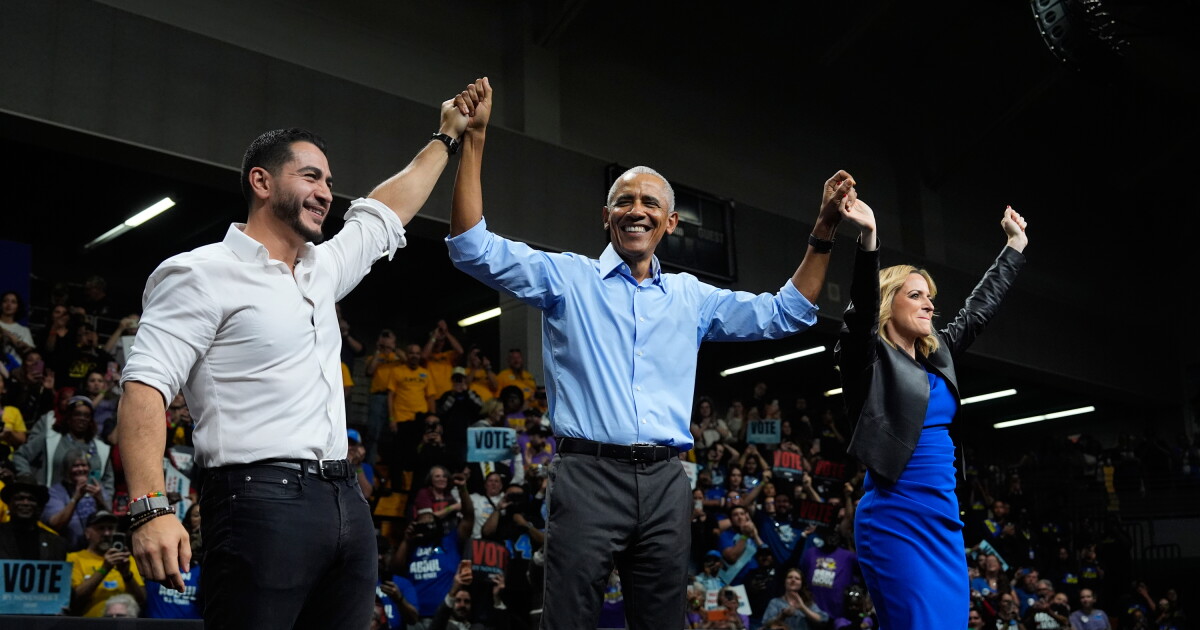
With Michigan’s open U.S. Senate seat on the line and the first day of statewide early voting underway, the stakes for voter participation in the 2026 midterm cycle couldn’t be higher. On Saturday night, a gymnasium at Detroit’s Cass Technical High School filled with voters, candidates, and news crews speaking dozens of languages — all drawn by the arrival of former President Barack Obama.
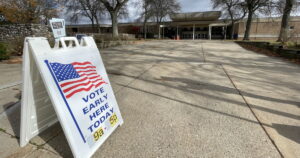
Obama’s Detroit appearance was part of a broader campaign push for Democrat Abdul El-Sayed, who is running for Michigan’s open U.S. Senate seat, and gubernatorial nominee Jocelyn Benson. The rally coincided directly with the launch of Michigan’s early in-person voting period, which runs through November 1, making voter turnout a central theme of the evening.
Covered under the 2026 Midterm Election spotlight, the event drew reporters and outlets from across Michigan and beyond. Several elected officials and candidates also took the stage, including Rep. Rashida Tlaib (D, MI-12), state Sen. Jeremy Moss (D, Southfield), and 10th Congressional District candidate Christine Hines.
Obama’s Message: Vote to Push Back
Obama’s speech in Detroit largely echoed remarks he delivered earlier in the day in Ohio. He blamed the Trump administration’s conflict with Iran for driving up prices and adding to the national debt, and accused Trump and his family of using the presidency for financial gain.
On the topic of political attack ads targeting Democratic candidates, Obama called out what he described as fear-based messaging designed to suppress Democratic enthusiasm:
“What they’re doing, which is par for the course, is running all kinds of scary ads to make you think Democrats are radicals or communists or jihadists or the woke police that will come arrest you and force-feed you tofu instead of hamburgers. We are not going to fall for that.”
His core call to action centered on voting itself as a form of civic engagement and a check on political power — a message timed to land on the first day Michiganders could cast early ballots.
El-Sayed, Identity, and the Fight for Voter Trust
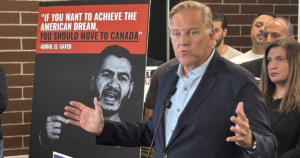
A significant portion of the evening focused on the Senate race, and in particular the effort to counter attack ads targeting El-Sayed among Black voters in Detroit. His Republican opponent, former Congressman Mike Rogers, has run ads highlighting El-Sayed’s past criticisms of Obama’s record — a political pressure point the former president addressed directly by dismissing it as the kind of disagreement he even has with his wife, Michelle Obama.
A Michigan Public fact-check found that Rogers’ broader claims against El-Sayed — including accusations linking him to Hezbollah, Hamas, and the Muslim Brotherhood — are not supported by available evidence.
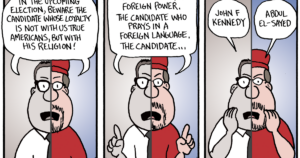
Obama drew parallels between his own 2008 campaign and the attacks El-Sayed now faces, noting that both men are the children of immigrants and have been accused of divided loyalties.
“They may even use your name or your faith to somehow suggest you are dangerous and less than trustworthy and less patriotic and less American than they are. We have seen this movie before. I starred in it.”
Obama also joked about being required to produce his long-form birth certificate — a reference to the “birther” campaign that questioned his eligibility for the presidency and sought to cast doubt on his citizenship.
El-Sayed responded to those attacks by grounding his candidacy in a message of patriotic belonging:
“Don’t get it twisted. I love America. I’m so grateful I get to raise my two daughters here in America. I just love America enough to call on her to be America for all of her kids.”
Rogers Campaign Pushes Back
The Rogers campaign did not welcome the optics of the Obama visit. Campaign advisor Greg Manz framed the rally as a sign of weakness rather than strength:
“Michigan Democrats know their base is crumbling with Conman Abdul as the face of their party – nothing proves this more than having to parachute Obama into Detroit from his Martha’s Vineyard mansion.”
As reported by Michigan Public’s Colin Jackson and covered across the outlet’s politics and government beat, Detroit voters have become a key battleground in the Senate race, with both parties investing heavily in the city’s turnout — and its electorate watching closely.
What Voters Said They Actually Care About
For many attendees, the night was less about political theater and more about their lived experience heading into the ballot box. Voters at the event said they were most concerned about the economy, education, and healing cultural divisions.
Wayne resident Johnny Fuller, who said it was his first-ever political rally, described why he felt compelled to show up — not just for himself, but to model civic participation for his children. Fuller said he believes El-Sayed can deliver on his hopes for a more equitable future:
“We biracial kids so therefore, it’s a little bit harder because one person sees you some way, someone else will see you some way. And it’s like El-Sayed. It’s a battle to be inclusive when you know you’re in a country that’s history isn’t full of inclusivity.”
Fuller’s presence — a first-time rally attendee motivated by a desire to show his kids what it looks like to participate — reflects something broader about what’s at stake in Michigan’s 2026 election: not just which candidates win, but whether all eligible voters feel that the democratic process has a place for them. You can follow related coverage from Russ McNamara, Brian Manzullo and Kate Wells, and Mercedes Mejia on Michigan Public, and find more related stories including bills introduced to help victims of deed fraud in Michigan, the Wayne State Board of Governors race, and a notable Michigan Court of Appeals ruling on landlord-tenant cases.


Comments are closed.