
With the Iran war already straining American household budgets — from gas prices to grocery bills — President Trump is now raising the prospect of yet another military intervention, this time in Cuba. The idea, floated again at a South Florida campaign rally, is raising fresh questions about what an expanding foreign policy agenda could mean for everyday Americans already feeling squeezed.
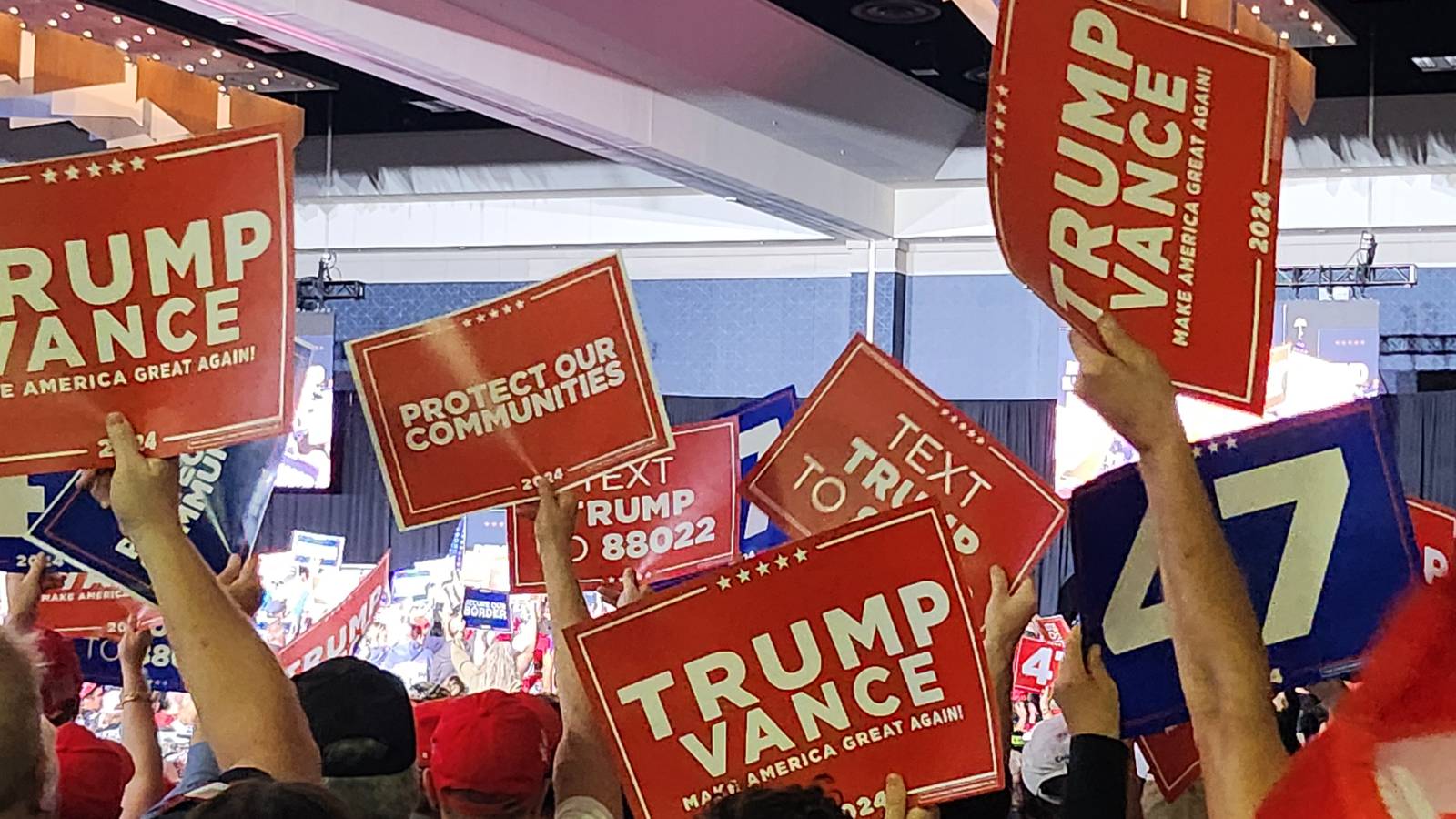
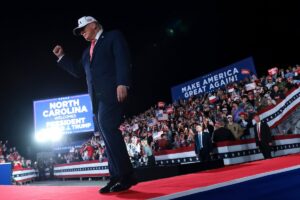
Speaking in Fort Myers, Florida, just days before midterm elections, Trump revived a suggestion he first floated earlier this year: that U.S. warships heading home from the Middle East could make a stop near Cuba on the way back. The crowd-pleasing moment came after someone in the audience shouted a question about the island nation, prompting Trump to sketch out a vivid scenario.
“We’ll do a little stopover,” Trump said. “Actually, what we’re going to do with Cuba is, we’re going to come back from Iran. Those beautiful ships will pass Cuba. We’ll have one of them stop about 50 yards off the coast. They’ll raise up their hands. And then we’re going to send (Secretary of State) Marco Rubio in to finish up the deal.”
The remarks are significant for American families because another military engagement — even a limited one — could carry economic consequences at a time when voters are already expressing deep concern about the cost of the ongoing war with Iran and its ripple effects on the price of gas, food, and basic goods.
A Recurring Threat With Real-World Stakes
This isn’t the first time Trump has floated the idea of intervening in Cuba. Back in May, both Trump and Rubio raised the possibility of military action, a threat that gained additional weight after the administration announced criminal charges against Cuba’s former leader, Raúl Castro. At the time, Trump told reporters in the Oval Office that previous presidents had long considered the move — and suggested he might be the one to actually follow through.
Trump told reporters he considered intervening in Cuba a distinct possibility, though just days after his United Nations address last month, he offered a different note, telling reporters that he anticipated the two countries “will make a deal,” adding, “I don’t think we’ll need the military. Cuba is failing very badly.”
Still, the administration’s posture toward Havana has hardened in recent months. Diplomatic meetings between U.S. and Cuban officials have gone nowhere, according to the U.S. side, leading to even more sanctions being piled on the Cuban government. Earlier this week, the two countries clashed at the United Nations as Washington tried to build opposition to an annual vote condemning Washington’s decades-long economic embargo against Havana.
Rubio Calls for CIA Partnership — In Public
Perhaps the most striking development came immediately after Trump’s rally remarks, when Secretary of State Marco Rubio took to social media to call for covert action. Rubio addressed his post directly to Cubans seeking change and urged them
“to seize this opportunity to create the change you desire through a discrete partnership with the CIA.”
Rubio, the son of Cuban immigrants who has long taken a hard line against Cuba’s socialist government, had not spoken extensively about Cuba in public for several weeks. His last detailed comments came in a September 29 interview with Fox News.
“The truth is Cuba has already fallen. It doesn’t have a functional economy and it’s governed by people who continue to preach about some revolution that has been dead for 20 years that’s never worked,”
Rubio said at that time, without referencing any CIA operations.
He also struck a more cautious tone in those earlier remarks, saying the administration wants to resolve differences with Cuba peacefully, while voicing doubt that a diplomatic deal with the current Cuban government was realistically achievable.
“We are hopeful that Cuba will choose a different path. We are hopeful … that there will be some people in there that open their eyes to the reality of what they’re facing,”
Rubio added:
“We’re never going to allow Cuba to become a base of operation against American interests or pose a threat to our national security. On that we are abundantly clear.”
Cuba’s Crisis — and Why It Matters to This Debate
Cuba has been living through a deepening economic and energy crisis since 2020. The country’s gross domestic product has shrunk, and its roughly 10 million residents have endured widespread blackouts, food shortages and inflation. Waves of protests have broken out across the island, and hundreds of thousands of Cubans have left — many of them immigrating to the United States.
That backdrop is part of what makes the Cuba question politically potent in South Florida, where Cuban-American voters are a significant force. But for many Americans watching from elsewhere, the bigger concern is whether the administration’s increasingly expansive foreign policy agenda — already waging war with Iran while voters flag rising prices at home — could deepen the economic pressures families are already navigating.
For the latest on related military developments, including the Pentagon’s official Iran war death toll and U.S. strikes on Iranian rocket launchers in the Strait of Hormuz, ongoing coverage is available through Military Daily News.



Comments are closed.