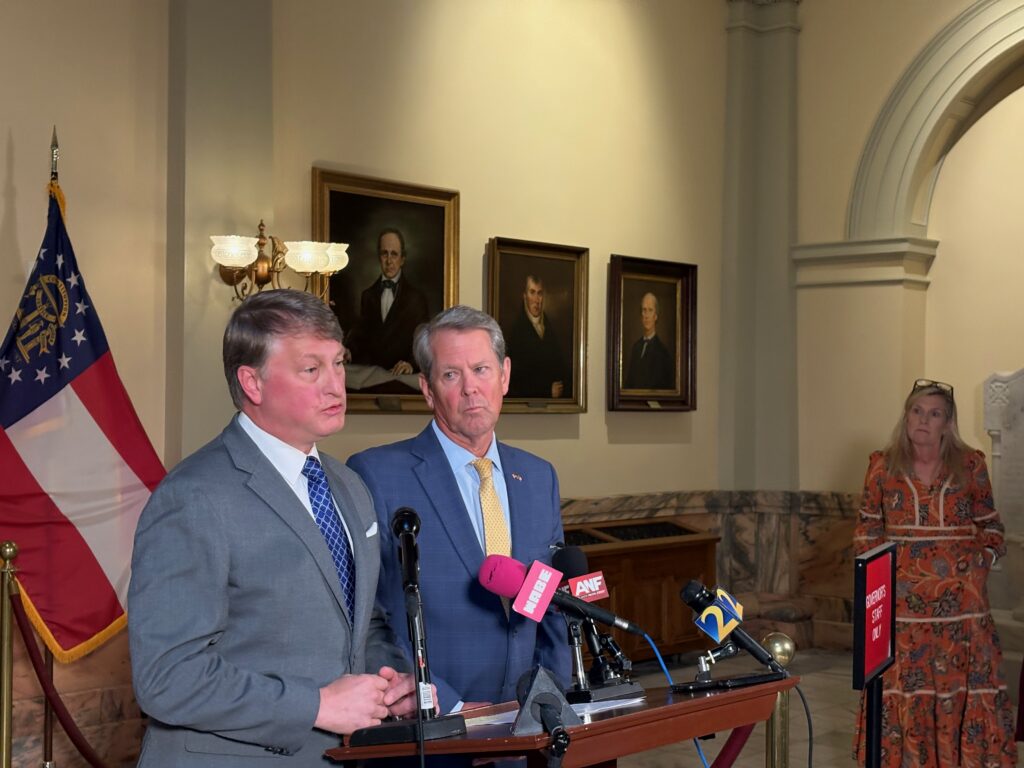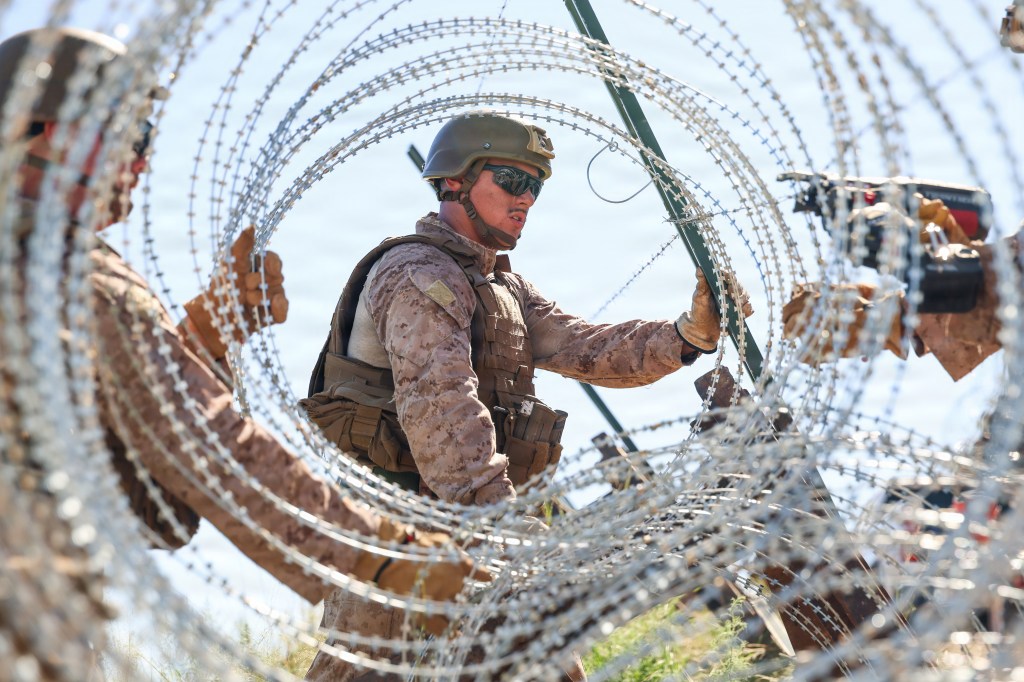

The following piece was originally published in The Hill by John Shkor, Steven Lepper and William Baumgartner. Read the original article here. President Trump has…
The American Watch Dog

Every time Arizona drivers pull up to the pump, the numbers on that screen hit the family budget directly — and right now, those numbers are still painfully high. While there's a small glimmer of relief, gas prices across the state remain at record levels for this time of year.
Billionaire Elon Musk is once again directing large sums of money toward Republican political campaigns across the United States, and Michigan is squarely in his sights. The spending raises a pointed question for voters in the Great Lakes State: what does the world's wealthiest man actually have to do with Michigan?
High-altitude balloons may seem like a relic of a previous century, but the U.S. Army is betting they could become one of its most flexible tools in the modern battlespace — and the American public, through its elected representatives in Congress, has a stake in understanding exactly what that means.
Every few years, Congress makes decisions about military spending that shape the future of American national security — decisions made by elected officials who answer directly to voters. The U.S. Army's next-generation tiltrotor aircraft, the MV-75 Cheyenne II, sits at the center of one of the most significant — and expensive — defense investments in recent memory, and whether it gets built on schedule depends heavily on whether Congress can pass a budget.
American politics runs on a tidy script: white evangelicals vote red, Catholics split down the middle, and immigration is one of the sharpest wedges between…
For millions of American families, the pinch at the pump and the sticker shock at the grocery store checkout have become all too familiar — and the latest federal data confirms it is not letting up.
What began as a single arrest at a Tempe, Arizona high school has grown into one of the most serious school-based voyeurism cases in recent memory. Investigators have now identified dozens of victims and added nearly 100 new criminal charges against a former school employee.
When missiles strike a city's power grid, the first headlines count casualties and report blackouts — but the quieter crisis unfolds in hospital corridors, dialysis chairs, and homes where someone depends on a ventilator to breathe through the night. That is the reality unfolding in Ukraine right now, as Russia continues to hammer civilian energy infrastructure for the third consecutive night, leaving hundreds of thousands of people without power and pushing an already strained healthcare system toward the breaking point.
For military families, healthcare access is never just about proximity to a hospital — it depends on satellites, communications infrastructure, and the trained personnel who keep those systems running. A major shift in how the Army builds and retains its space workforce could have lasting consequences for the health security and family stability of hundreds of thousands of service members and their dependents.
A $53 pair of Levi's at a Fred Meyer in Wasilla, Alaska, may seem like an unlikely starting point for understanding the stakes of this fall's Senate elections — but it captures something essential about the political moment.
For decades, a quiet Army program gave newly minted soldiers a chance to go home — and in exchange, the military asked them to help spread the word about service. Now, that arrangement is on the chopping block, raising questions about how the Army connects with communities across the country and what it costs when those connections fall short.
Most cancers in the United States are caught too late — partly because millions of Americans have no routine screening option available to them at all. A newly published study suggests a single blood test could change that, scanning the body for signs of multiple cancers at the same time.