
A drone attack on a Russian warship at a Libyan naval base is raising new questions about how far the Ukraine war’s reach truly extends — and what it means for a volatile North African nation caught in the middle. The strike marks another flashpoint in a conflict that has quietly spread well beyond Eastern Europe’s borders.
A suspected Ukrainian drone strike hit a Russian Navy corvette docked at the Benghazi Naval Base in eastern Libya on Sunday, according to two Libyan military officials. The vessel, identified as the Merkury, sustained severe damage, and the strike ignited a fire at the base that was later put out.
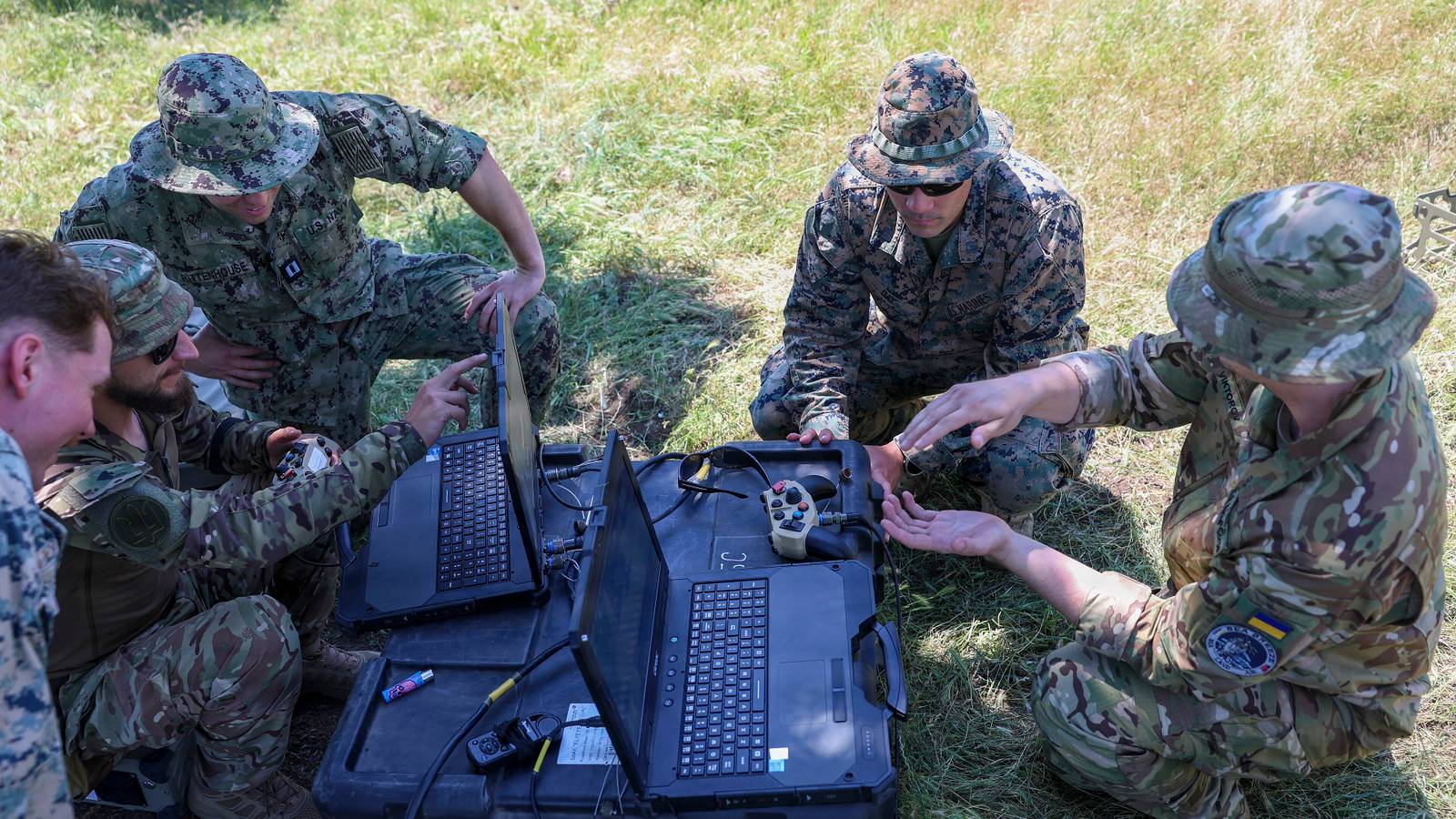
According to the officials, the attack involved multiple sea drones launched from a base in western Libya operated by Ukrainian forces. At least four drones were intercepted before reaching their target, but two successfully struck the warship. The officials, who are affiliated with the Libyan National Army — the faction that controls eastern and southern Libya — spoke anonymously because they were not authorized to speak to reporters.
Why Was a Russian Warship in Libya?
The eastern Libya-based government confirmed in a statement that the Merkury had docked at the Benghazi Naval Base for refueling and resupply. The stop was described as part of an existing cooperation agreement between Russia and the eastern Libyan administration, though officials offered no details about the ship’s cargo or its broader mission.
The government added that a joint investigation with Russia has been launched to
“uncover the circumstances of the attack, its source, and the party behind it.”
No group claimed responsibility for the strike, and neither Russia nor Ukraine issued an immediate public response.
Libya’s Divided Political Landscape
To understand why this matters, it helps to know that Libya has been split between two rival governments since a NATO-backed uprising ousted and ultimately led to the killing of longtime dictator Moammar Gadhafi in 2011. A United Nations-supported government operates out of Tripoli in the west, while a separate administration controls the east. The oil-rich country has long been a battleground for competing foreign interests, with Russia and Western nations both seeking influence there.
The western Libyan government weighed in on Sunday’s attack, expressing concern about what it described as outside forces pulling the country into their disputes. In a statement, it said it was troubled by the prospect of
“dragging Libyan ports and civilian facilities into external conflicts,”
in what appeared to be a direct reference to Russia’s war in Ukraine.
The government went further, declaring:
“The government reaffirms its categorical rejection of turning Libya into an arena for international conflicts or a theater for external powers to settle scores.”
A Pattern of Covert Ukrainian Operations in Libya
Sunday’s strike is not an isolated incident. In March, Libyan officials told the Associated Press that Ukrainian forces operating in western Libya carried out a suspected sea drone attack on a Russian tanker near Maltese waters in the Mediterranean. That operation pointed to a broader, covert Ukrainian presence in the region.
According to those officials, Ukrainian personnel — most of them drone specialists — were based primarily at an air facility in the coastal city of Misrata, with additional operations at military sites in Tripoli and the coastal town of Zawiya. The arrangement reportedly stemmed from a covert deal between Ukraine and western Libyan authorities.
Taken together, the attacks suggest that Ukraine has established a strategic foothold in North Africa to target Russian naval assets operating in the Mediterranean — a development with potential implications for regional stability that go well beyond the immediate conflict. Those interested in the evolving role of drone warfare in modern conflicts can explore more through Defense Technology & Innovation coverage tracking these developments.








Comments are closed.