
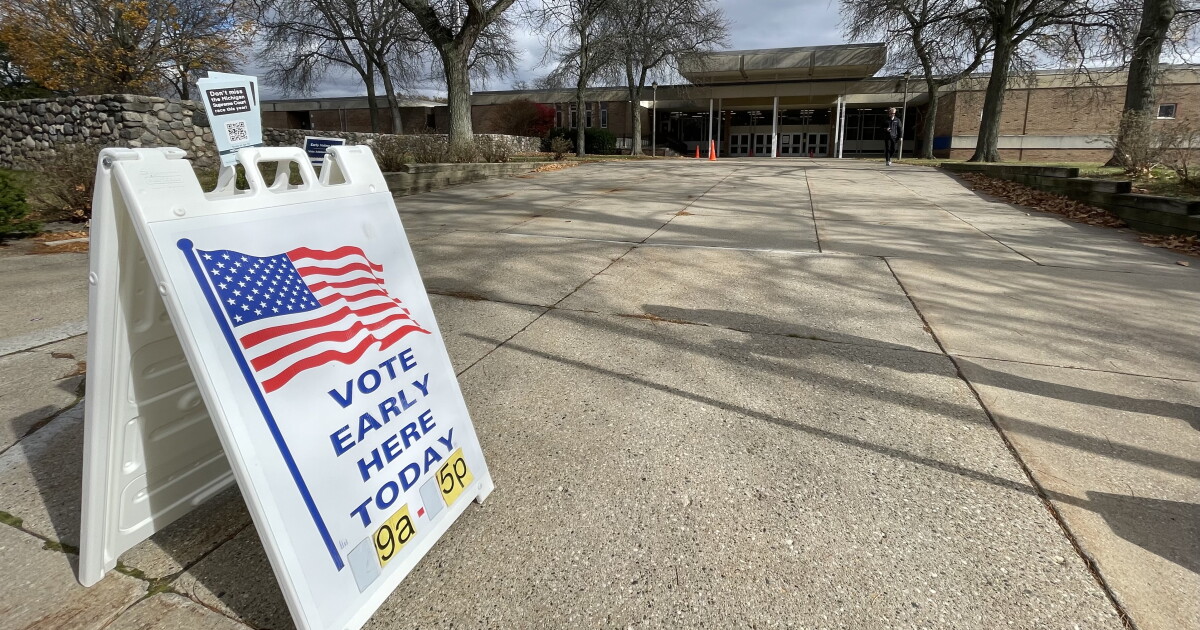
Your vote is one of the most fundamental rights you hold as an American citizen — and in Michigan, the window to cast that vote just got wider. Early in-person voting for the 2026 midterm election is now open across the state, giving Michigan residents more flexibility than ever to make their voices heard before Election Day arrives.
Early voting runs from Saturday, October 24 through Sunday, November 1, 2026. Election Day itself falls on Tuesday, November 3. That means eligible Michigan voters have multiple opportunities — across nearly two weeks — to participate in the democratic process on their own schedule.
Why Michigan Has Early Voting
Michigan’s expanded voting access didn’t come from the legislature — it came directly from voters themselves. In 2022, Michiganders overwhelmingly approved a 2022 ballot measure that amended the state Constitution to enshrine several new voting rights. Those rights include a minimum of nine days of early in-person voting before every state and federal election, the ability to join a permanent absentee voter list, prepaid postage for mail ballots, and a state-funded ballot tracking notification system.
This is now the third election cycle in which Michigan has offered early voting to all eligible residents. Some communities have opted to go beyond the nine-day minimum, offering up to 28 total days of early voting. The constitutional requirement ensures these options cannot easily be stripped away.
Three Ways to Vote in Michigan
1. Absentee voting — Ballots are available up to 40 days before the election. You can request an absentee ballot online, by mail, or in person at your local clerk’s office. Once completed, your ballot can be returned by mail, dropped in a secure drop box, or brought to a polling site. The Secretary of State’s office recommends
“using the secure drop box or a polling place if you are returning a ballot within two weeks of election day, in order to avoid possible postal delays.”
You can also track the status of your absentee ballot by entering your information here.
2. Early in-person voting — Available statewide from October 24 through November 1. This experience closely mirrors traditional Election Day voting: you go to a polling location, check in, receive your ballot, fill it out on site, and feed it directly into the tabulator yourself.
3. Election Day voting — Traditional in-person voting remains available on Tuesday, November 3.
How to Find Your Early Voting Location
Every Michigan community is required to offer early voting, but the specific locations and hours vary. You can find the early voting site nearest to you by entering your address here. Your local clerk’s office can also provide details on polling locations and operating hours in your area.
What ID Do You Need?
Voters are asked to present identification when checking in at the polls, but lacking an ID does not disqualify you from voting. A poll worker will ask you to sign a form stating you didn’t have one, and you can still cast your ballot. According to the Michigan Secretary of State’s office, accepted forms of ID include:
— A Michigan driver’s license or state ID (expired IDs are acceptable)
— A driver’s license or state ID from another state
— A federal, state, or local government-issued photo ID
— A U.S. passport
— A military photo ID
— A photo ID from an educational institution
— A tribal photo ID
Are You Registered to Vote?
Before heading to the polls, it’s worth confirming your registration is active. You can check your status at Michigan.gov/Vote. Michigan allows registration up until 8 p.m. on Election Day itself, though the Secretary of State’s office urges voters to register as soon as possible to avoid any last-minute complications.
If you haven’t registered yet, you can do so online, by mail, or in person up to 15 days before the election. Within the final 14 days before Election Day, in-person registration is required. Full details on submitting your registration are available through the state’s voter information portal.
For ongoing coverage of the 2026 Midterm Election, including candidate profiles, key races, and early voting developments, Michigan Public’s Politics & Government section is tracking the latest. Reporters Brian Manzullo and Kate Wells contributed to election coverage at Michigan Public. Related reporting includes party leaders focusing on turnout in the final weeks by Steve Carmody, and an examination of election security and trust by Dustin Dwyer. Additional stories worth reading include coverage on why Detroit voters are a key focus in Michigan’s Senate race, profiles of Wayne State Board of Governors candidates and MSU Board of Trustees candidates, and an EPA agreement over Ann Arbor groundwater contamination.









Comments are closed.