
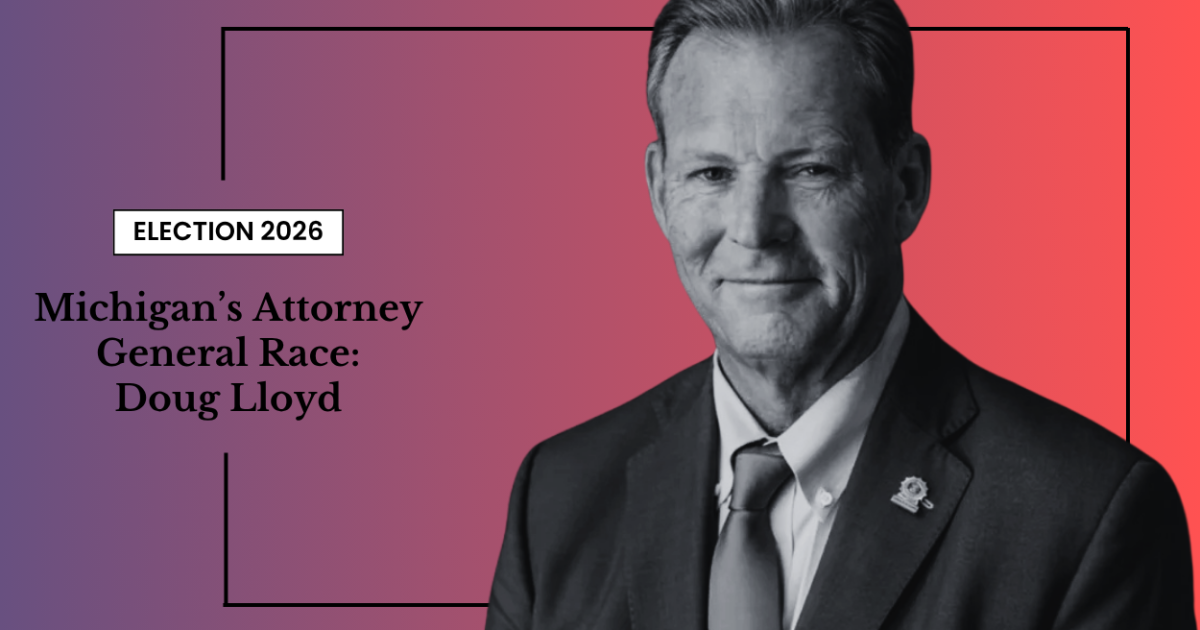
Michigan’s 2026 midterm elections are shaping up to be one of the most closely watched political battlegrounds in the country, with high-stakes races, questions about election integrity, and real consequences for everyday voters. From candidate profiles and Senate debates to a fake polling scandal and a community chemical emergency, here is a look at the stories defining Michigan’s political moment — and why they matter for democratic participation.
Michigan’s 2026 Midterm Elections: What Voters Need to Know Right Now
With Election Day approaching, Michigan’s 2026 midterm cycle is producing a steady stream of developments that affect how voters engage with the process, how much they can trust the information they receive, and who will hold the offices that shape state and federal policy. Below is a roundup of the key stories voters should be following.
Attorney General Race: A Closer Look at Eli Savit
One of the significant down-ballot races this cycle is the Michigan Attorney General contest. Michigan Public’s ongoing candidate profile series recently spotlighted Eli Savit, a candidate for Michigan Attorney General. The Attorney General’s office plays a critical role in election administration and voter protection — it is the office that prosecutes election fraud, defends the state’s voting laws in court, and enforces consumer and civil rights protections that affect residents across the state. Understanding who is running and what they stand for is essential for voters making informed choices beyond the top of the ticket.
Fake Polling Scandal Raises Concerns About Election Misinformation
One of the more alarming recent developments in Michigan politics involves a fake polling scandal that has prompted strong reactions from Michigan pollsters. Fabricated or manipulated polling data is a serious threat to public trust in elections — it can distort how voters, campaigns, and media understand the state of a race, and it can suppress or inflate voter enthusiasm based on false information. When polls are manufactured rather than scientifically conducted, everyday voters lose a critical tool for making sense of where candidates stand. Michigan’s polling community is now grappling with how to respond and how to protect the credibility of legitimate survey research going forward.
Senate Debate: Rogers and El-Sayed Face Off
Michigan’s U.S. Senate race came into sharp focus during the final debate, which pitted Rogers and El-Sayed directly against each other on the issues. Senate debates give voters one of their clearest opportunities to compare candidates side by side on policy positions, and this final matchup before Election Day carries added weight. For Michigan voters trying to decide who should represent them in Washington, the debate offered a direct window into how each candidate approaches the issues that most affect working families, healthcare, the economy, and the role of government.
Voters interested in the full scope of Michigan’s political and government coverage can follow ongoing reporting that tracks all of the state’s major races and policy developments heading into November.
Toledo Chemical Spill: A Safety Story That Crossed State Lines
Not every story affecting Michigan voters is purely political. A chemical spill in Toledo prompted evacuations and a shelter-in-place order for nearby residents — an order that has since been lifted. Michigan Public reported on both the immediate emergency, including the lifting of the shelter-in-place order in Toledo following the chemical spill, and provided a deeper look at the substance involved, explaining what glycidyl methacrylate is and what residents need to know about the Toledo chemical release. Environmental and public safety issues like this one are directly relevant to voters in the region, and they illustrate how local government decisions and emergency response capabilities affect quality of life — topics that often surface in candidate debates and ballot choices.
First-Time Voter Profile: Putting Candidates Before Party
Perhaps the most human story in this cycle comes from Michigan Public’s “What the Vote?” series, which profiled a first-time Michigan voter who values candidates over party affiliation. This kind of voter — someone approaching the ballot fresh, without deep partisan loyalty — represents a growing segment of the electorate. Their focus on individual candidates rather than party labels reflects a broader desire among many Americans to hold elected officials accountable on their own merits. Stories like this serve as a reminder that elections are ultimately about real people making real choices, and that the health of democracy depends on those voters feeling informed, welcomed, and confident that their votes will count.
Can Voters Trust the Election Process?
Running alongside all of these individual stories is a broader question that Michigan Public has examined directly: can voters trust the election process? Reporter Dustin Dwyer explored just how secure Michigan’s elections are with less than a month to go before Election Day. Election security and voter confidence are not abstract concerns — they shape whether eligible citizens show up to vote and whether they accept the results when the counting is done.
Michigan’s Supreme Court races are also on the ballot this November. Morning Edition’s Doug Tribou sat down with the candidates in a series that helps voters understand who is vying for those seats. Meet Michigan’s Supreme Court candidates to learn more about the individuals who could shape Michigan law for years to come.
Staying informed is one of the most powerful things a voter can do. Michigan Public provides ongoing coverage, including its Michigan Public Hourly News audio feed, to keep residents up to date on fast-moving developments. Readers can also connect with Michigan Public’s reporting through YouTube, Bluesky, and LinkedIn. For questions or additional information, visit the Contact Us page, explore career opportunities, review public documents, or read Michigan Public’s Privacy and Terms of Use policy. Additional resources include contest rules and FCC applications.







Comments are closed.