
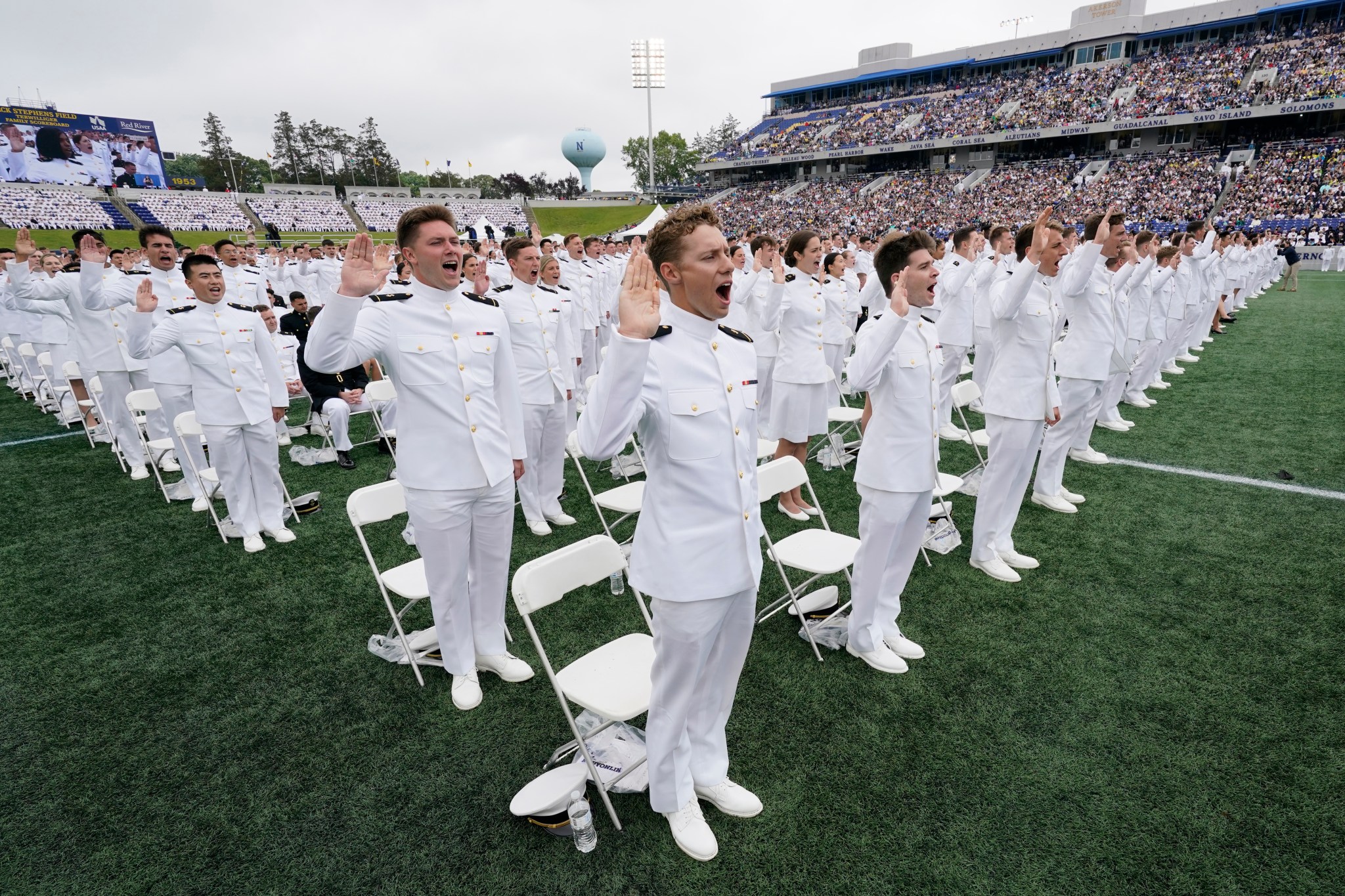
America’s military colleges are getting a major shakeup — and the changes are happening now. Defense Secretary Pete Hegseth has issued a sweeping set of directives aimed at overhauling how the U.S. military trains its next generation of senior leaders.
Hegseth released a memorandum containing 33 directives described as effective immediately. The order targets higher military service colleges and touches everything from how students are evaluated to who gets to teach them.
What the Directives Change
Under the new mandate, students preparing for senior military leadership roles will no longer be required to complete lengthy written dissertations. Instead, they will be expected to demonstrate proficiency using Artificial Intelligence in war games — a shift intended to reflect the realities of modern warfare.
The order also ends emeritus status and eliminates lifetime tenure for newly hired civilian faculty at these institutions. Additionally, Hegseth directed military colleges to reduce the number of civilian employees who have no military background, instructing schools to “realign the civilian-faculty ratio” so that the majority of full-time faculty have direct military and defense experience. Civilians described as “purely technical subject-matter experts shall be limited,” according to the memorandum.
Hegseth’s Message to Students and Faculty
Hegseth delivered his remarks in person to students and faculty at the U.S. Naval War College in Newport, Rhode Island, where he made clear that the purpose of military education needs to refocus on one overriding goal: winning.
He pointed out that the words “win” and “defeat” do not appear in service colleges’ mission statements, and the word “victory” shows up only once. In his view, that language falls short of what military institutions should stand for.
“We speak endlessly of producing critical thinkers, strategic enterprise leaders, and officers with an appreciation of complex global security environments,”
said Hegseth.
“This is the language of civilian bureaucracy, not military command.”
He argued that the United States is currently experiencing
“the most far-reaching strategic recalibration of our national security posture since the end of the Second World War,”
calling it
“deeper and more profound than the fall of the Soviet Union.”
Hegseth also addressed what he described as internal resistance to the administration’s reforms, warning against academics who might hope to outlast the current administration.
“Hear me clearly: they’re wrong, and they’re dead wrong,”
he said, speaking out against what he called a
“stubborn undercurrent of passive-aggressive institutional resistance”
within the Naval War College.
He urged faculty to push students hard, saying they should drive them into
“the crucible of realistic operational thought”
with victory as the only acceptable outcome of all coursework.
“Prepare them for war for lethality, for the life and death struggles that they one day may face,”
Hegseth told faculty.
Speaking directly to students, Hegseth was equally direct about what the American public expects from its military.
“The American people do not entrust their blood, their treasure, or their sons and daughters in our armed forces to lose or to fight to a draw,”
he said.
“They expect, they demand, they deserve nothing less than victory.”





Comments are closed.