
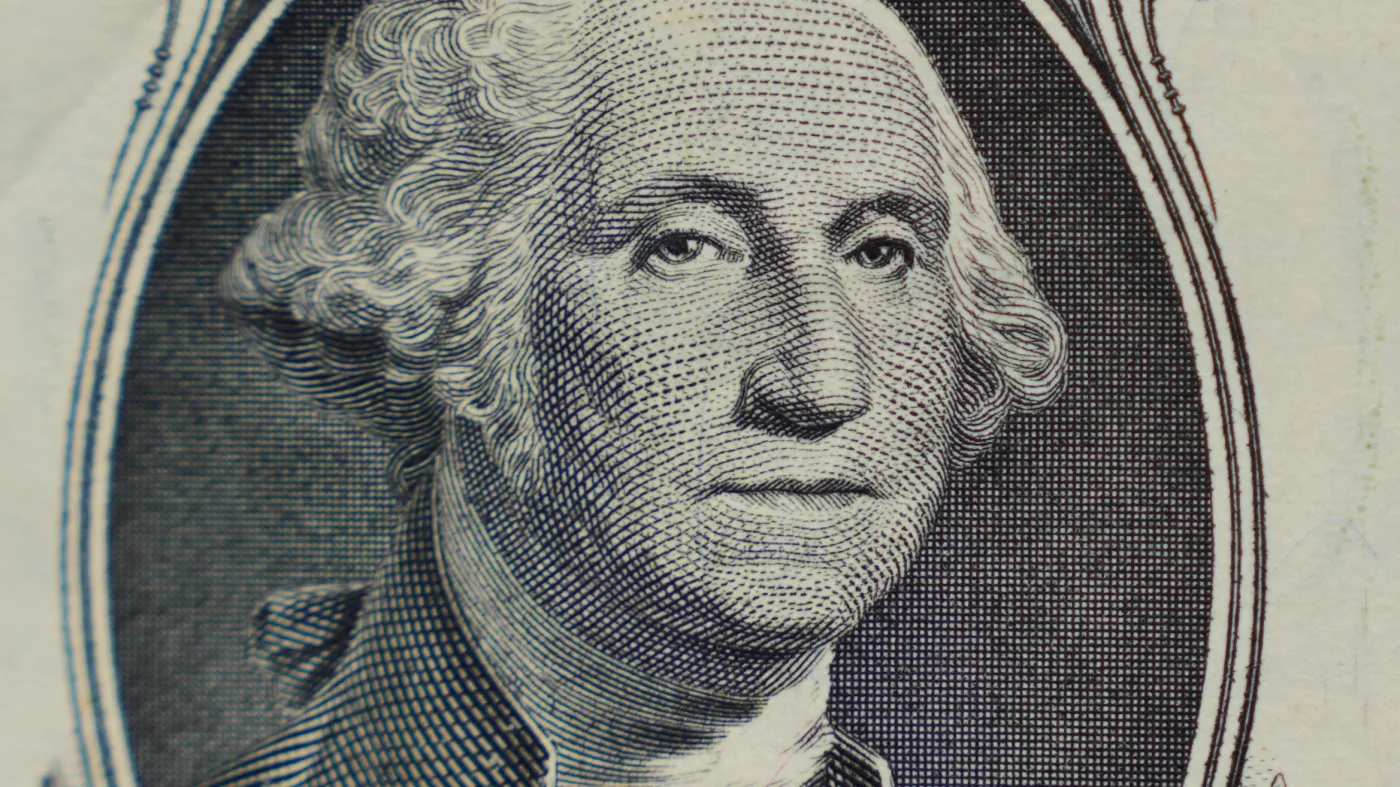
Financial anxiety doesn’t just belong to people struggling to make rent — it cuts across nearly every income level in America. That’s one of the most striking findings from Pulitzer Prize-winning journalist Mona Chalabi, who spent five years tracking the financial lives of 10 Americans for her new book.
Chalabi’s book, Ten Lives: How What We Have Shapes Who We Are, draws on conversations with people spread across the full economic spectrum — from those barely getting by paycheck to paycheck to those pulling in hundreds of thousands of dollars a year. What she found challenges the idea that earning more money automatically brings financial security.
“Across the board, everyone just seemed to be expressing this feeling of panic that I think is really, really particular to U.S. capitalism, which is an incredibly precarious and cruel system where you are one crisis away from experiencing a real economic shock,”
Chalabi said in a recent interview on NPR’s Fresh Air.
That sense of being one medical bill, one layoff, or one emergency away from financial disaster is something millions of American families know well — especially as inflation remains a persistent pressure on household budgets and the broader economy continues to feel uncertain for everyday people.
The Middle-Class Illusion
One pattern Chalabi observed repeatedly was that people identified as middle class regardless of their actual income. Whether someone earned $30,000 or $130,000 a year, many reached for the same label. And that disconnect, she says, has real consequences for how Americans see themselves — and how they judge others.
“To be poor in this country is to encounter an enormous, enormous array of obstacles, including assumptions about your intelligence [and] your educational level,”
Chalabi explained.
“And so it’s actually quite rational sometimes for people to try to present themselves as middle class, maybe even to try and signal wealth with the clothes that they buy or the cars that they drive. I don’t think it’s simply aspirational. I also think it is them trying to avoid the discrimination that they might face if their real income level were disclosed.”
That dynamic speaks to something deeply uncomfortable about class in America — the way poverty carries a social stigma that pushes people to hide their financial reality, even at a cost to themselves. For families already feeling squeezed by high prices, that added pressure can be exhausting.
Your Parents’ Finances Shape Your Future More Than You Think
Chalabi also found that one of the most powerful predictors of financial security isn’t a person’s salary — it’s the wealth of their parents. Time and again, the people she profiled returned to this theme.
“How much money your parents have is so profound in shaping your economic security,”
she said.
“Class is about more than the number that is printed on your pay slip or the number that’s in your bank balance. Our class identities are very often tied to our households that we were in growing up. They’re tied to the professions that our parents had…. Most people who are born in poverty in this country do not make it out.”
That sobering reality runs counter to the popular belief in American upward mobility — the idea that hard work alone determines where you end up. But Chalabi’s research, grounded in real lives over five years, tells a different story about how inherited circumstances set the stage for financial outcomes.
Who You Marry Matters Economically, Too
Beyond family of origin, Chalabi points to another underexamined factor shaping inequality: who people choose as romantic partners. While romance is rarely framed in economic terms, the data suggest those choices have outsized consequences for wealth distribution across society.
She referenced a study published by the National Bureau of Economic Research that compared partnership trends between 1960 and 2005. The research found that people increasingly partner with others who share similar educational backgrounds — and since education closely tracks with income, this trend amplifies economic inequality over time.
“I would say who we date, along with how much money we inherit, are probably two of the biggest factors that affect the level of inequality overall in this country,”
Chalabi said.
For everyday Americans trying to understand why the gap between rich and poor keeps widening, this offers a less obvious but important piece of the puzzle. It’s not just about wages or tax policy — it’s also about the social structures that quietly sort people into economic tiers from an early age.
Transparency About Money — Including Her Own
Chalabi’s approach to reporting on personal finance was itself unconventional. Because she was asking people to open up about deeply private financial details — while she stood to profit from their stories — she made a point to be transparent about her own finances, including disclosing her book advance.
“I felt the people that I was speaking to had a right to understand my economic privilege, my vantage point as I’m asking them these deeply personal questions,”
she said. She also paid her interview subjects $40 per hour for their time and offered them the same right to ask her about her finances that she exercised in asking about theirs.
That kind of reciprocity is unusual in journalism, but Chalabi saw it as essential given how vulnerable the people she spoke with were making themselves. For anyone navigating their own financial decisions, her work is a reminder that personal finance is never purely personal — it’s shaped by systems, by family, and by the quiet judgments others make about us every day.
She also reflected on how her British accent has played an unexpected role in her own economic experience in the U.S.
“When I’m back in the U.K., people can get a pretty good read, honestly, on my class by my voice,”
she said.
“And what’s fascinating is that as an immigrant, Americans don’t really understand these nuances in the British accent. And so I’m just read as posh here. And I think that has conferred me, actually, these huge class benefits. I think that my accent in the U.S. has been really powerful in counterbalancing some of the obstacles I might have faced because of my race and gender. Because with this voice, it is assumed that I am educated, that I’m cultured.”
For more tools and guidance on managing everyday financial pressures, NPR’s Life Kit offers practical advice, including tips on saving money while paying off credit card debt, guidance on whether buy now, pay later is right for you, and a full personal finance resource library. You can also listen to Chalabi’s full interview — part of NPR’s author interview series — via this audio link, and check out related coverage from Consider This from NPR.





Comments are closed.