
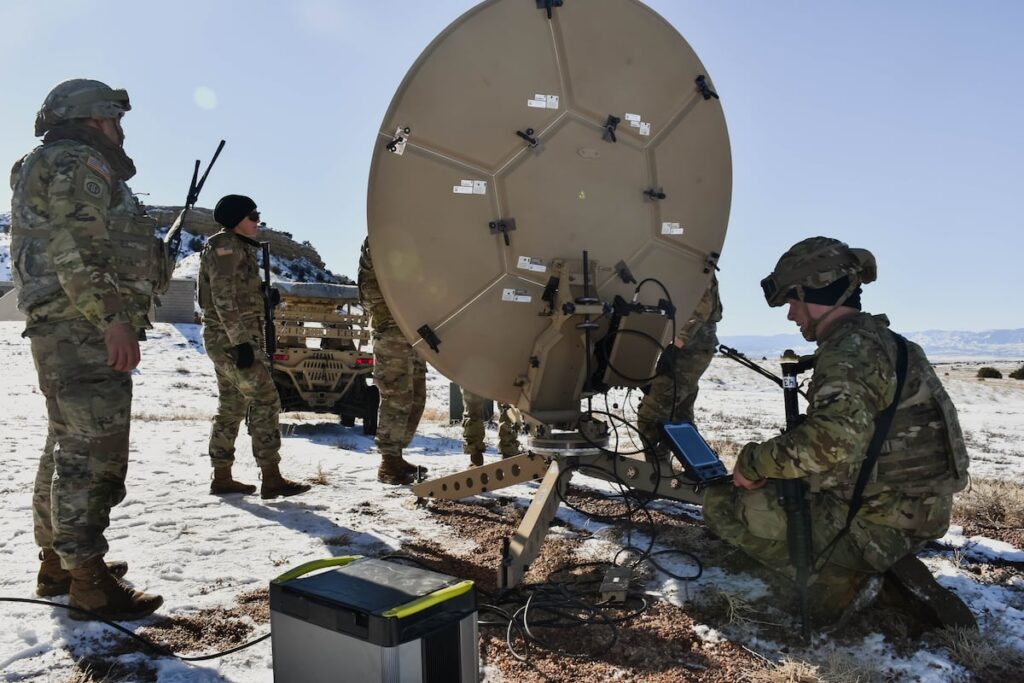
For military families, healthcare access is never just about proximity to a hospital — it depends on satellites, communications infrastructure, and the trained personnel who keep those systems running. A major shift in how the Army builds and retains its space workforce could have lasting consequences for the health security and family stability of hundreds of thousands of service members and their dependents.
Posts published in “US News”
A $53 pair of Levi's at a Fred Meyer in Wasilla, Alaska, may seem like an unlikely starting point for understanding the stakes of this fall's Senate elections — but it captures something essential about the political moment.
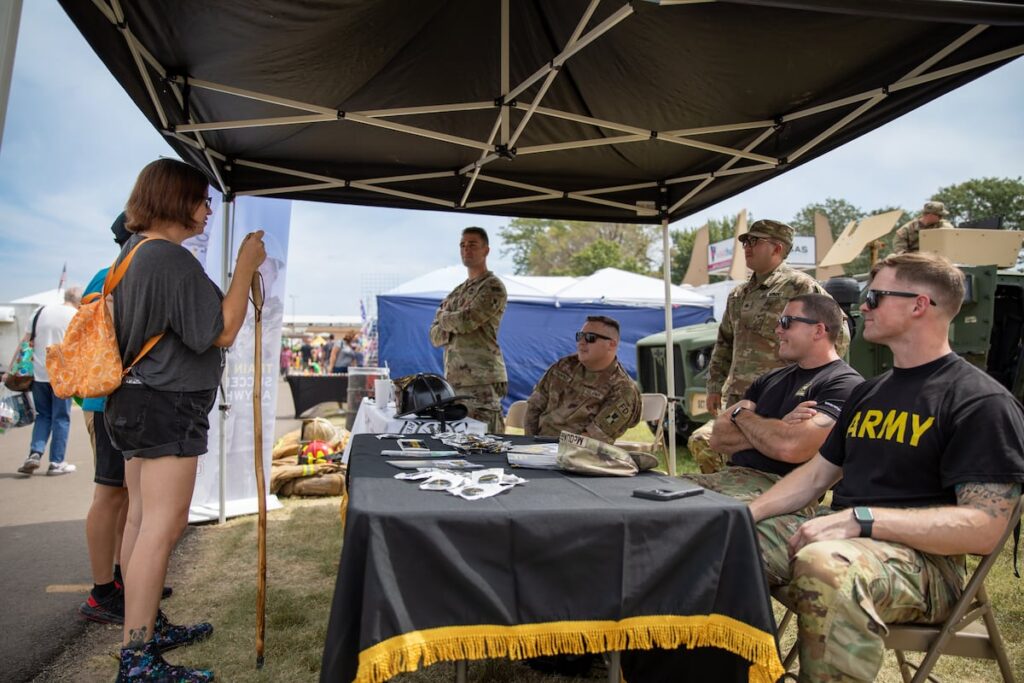
For decades, a quiet Army program gave newly minted soldiers a chance to go home — and in exchange, the military asked them to help spread the word about service. Now, that arrangement is on the chopping block, raising questions about how the Army connects with communities across the country and what it costs when those connections fall short.

Most cancers in the United States are caught too late — partly because millions of Americans have no routine screening option available to them at all. A newly published study suggests a single blood test could change that, scanning the body for signs of multiple cancers at the same time.
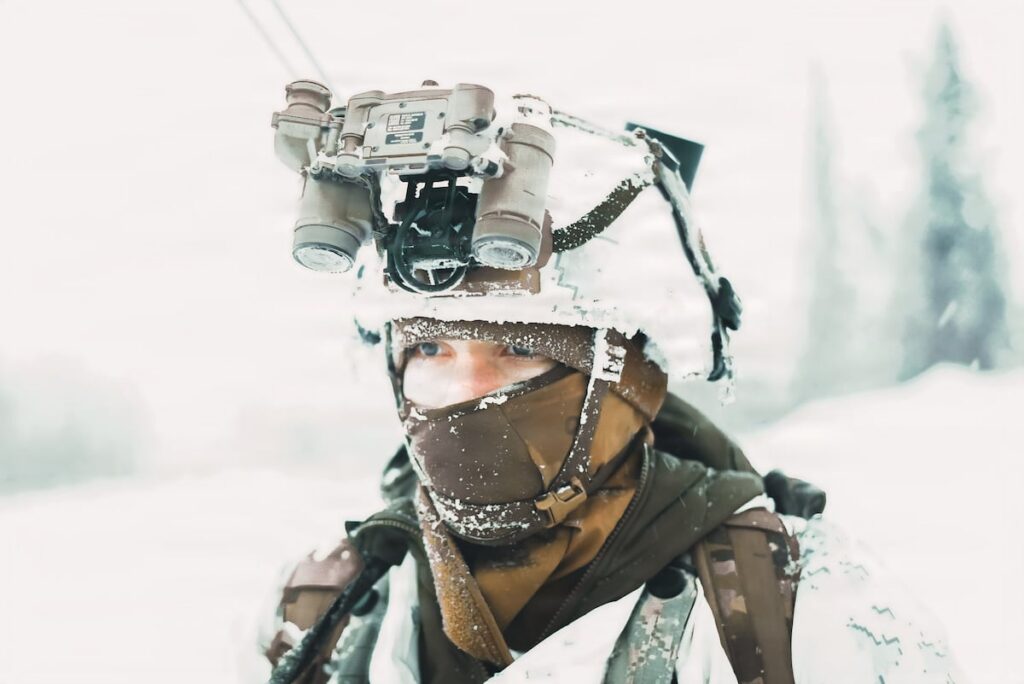
At 40 degrees below zero, almost everything fails — batteries go dead, fuel lines freeze, and even the most sophisticated military technology can grind to a halt. For the families of soldiers stationed in Alaska with the U.S. Army's 11th Airborne Division, that extreme reality is not a temporary deployment hardship — it's daily life, and it shapes everything from how soldiers train to how they find their footing far from home.

A day at one of Georgia's most popular theme parks turned deadly when an incident on the Goliath roller coaster at Six Flags Over Georgia left one person dead and four others injured. Incidents like this raise urgent questions about amusement park safety standards and what riders and families should know before stepping into a theme park.
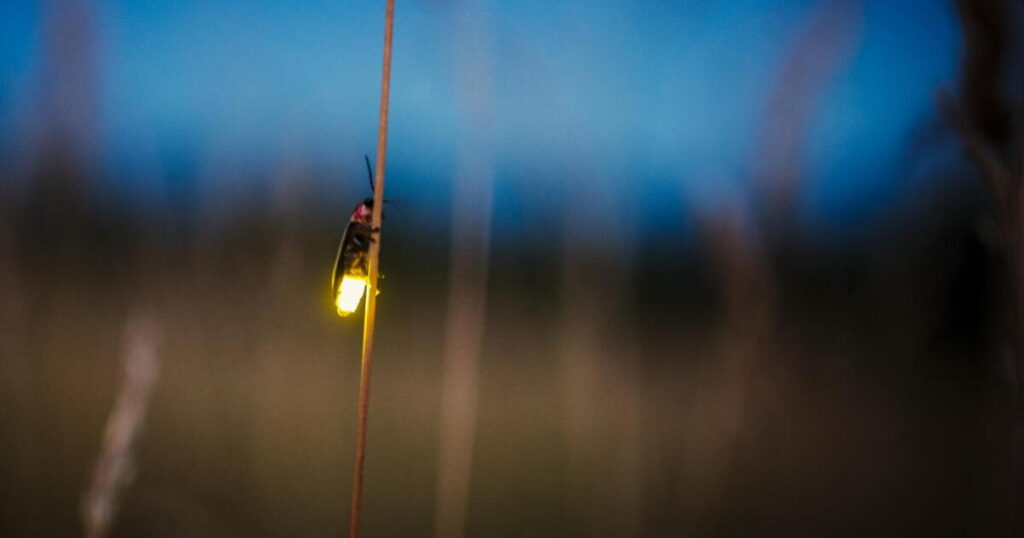
Most people picture fireflies lighting up warm summer evenings in the South or Midwest — not the Sonoran Desert. But a new report from the Nature Conservancy confirms that Arizona is home to multiple firefly species, and knowing exactly where and when to look can make all the difference.
A city official who dedicated his career to helping formerly incarcerated residents rebuild their lives was killed Friday evening in an electric scooter collision in Washington, D.C. The incident has prompted renewed questions about scooter safety on the capital's busy streets.
A potential turning point in the Russia-Ukraine war emerged Sunday when President Trump declared that both nations had agreed to stop targeting each other's energy infrastructure — a move that could have sweeping consequences for millions of civilians heading into winter.
Who sits on your state's highest court may shape whether your vote counts, whether abortion is legal in your state, and whether the district lines that determine your representation are fairly drawn. In Montana, a battle over how judges are chosen — and whether those elections should stay nonpartisan — is now center stage in one of the most closely watched judicial races in the country.
Pope Leo XIV publicly condemned the death penalty on Saturday, calling it "an attack" on human dignity — his remarks coming just one day after senior Catholic Church officials sharply criticized the U.S. Defense Department's decision to live-stream the upcoming execution of convicted Fort Hood shooter Nidal Malik Hasan.
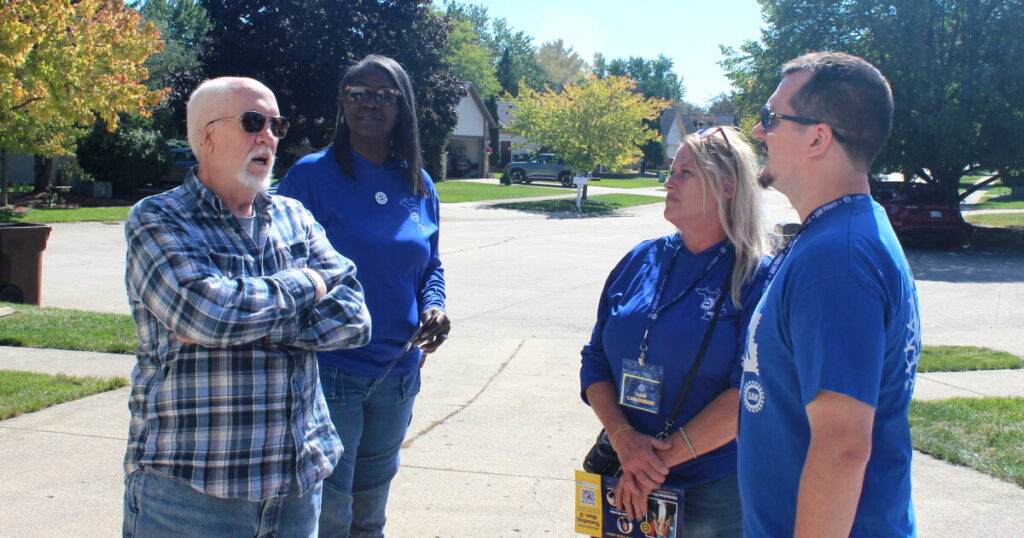
For millions of working-class families across the Midwest, who wins at the ballot box can determine whether factories stay open, whether wages rise, and whether daily expenses remain manageable. The United Auto Workers union — once a powerhouse of American labor politics — is fighting to remind its members of exactly that as the Nov. 3 midterms approach.