
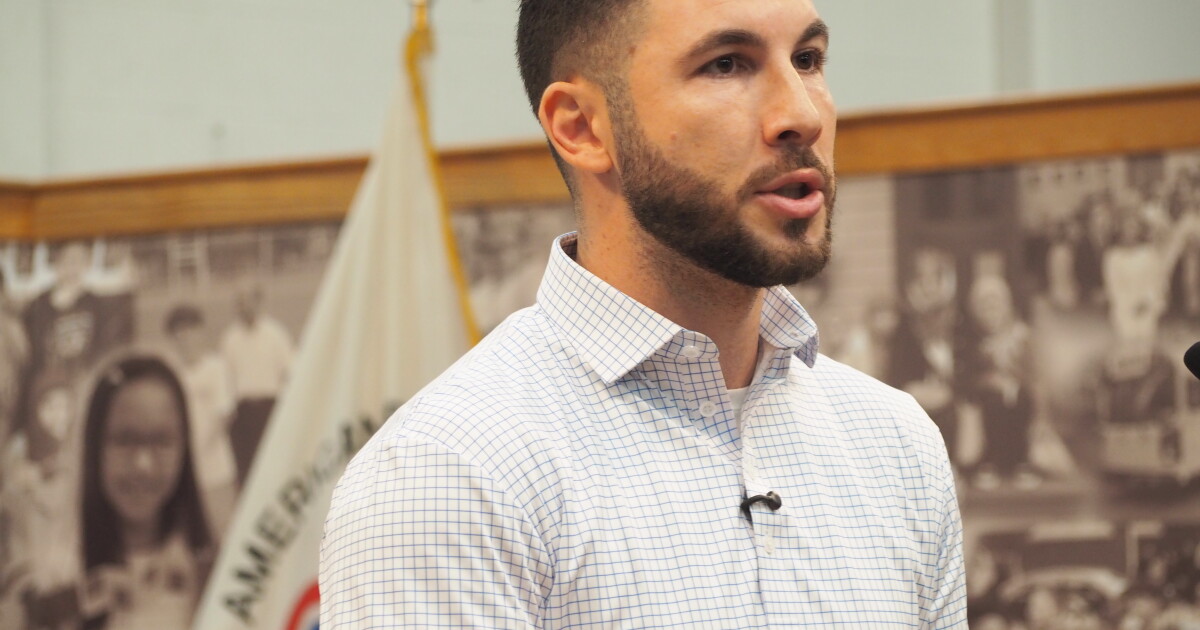
Voter turnout records are often seen as dry statistics — until they tell a story about what’s happening beneath the surface of American democracy. In Dearborn, Michigan, that story is about a community that showed up in numbers that caught even city officials off guard.
Dearborn Mayor Abdullah Hammoud says the city just experienced the highest voter turnout in its recorded history during the recent midterm elections. The surge was so dramatic that some polling precincts ran out of voter registration forms — and in some cases, ran out of ballots entirely.
“When we got notice that we were running out of registration forms at certain precincts, that in fact, some precincts ran out of ballots, I was like, ‘what is happening?'”
That’s how Hammoud described the moment to NPR’s Morning Edition host Leila Fadel. For election administrators, running short on ballots is a serious logistical concern — it’s the kind of situation that raises questions about election preparedness and can affect voters’ ability to cast their ballots. But in Dearborn’s case, it was a sign of something else: an unusually energized electorate.
What Drove the Surge?
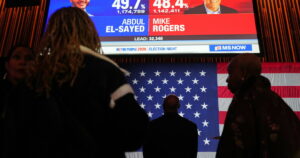
Hammoud pointed to the election of Abdul El-Sayed, a Michigan Democrat who made history as the first Muslim U.S. Senator, as a key factor behind the turnout spike in this majority-Arab and significantly Muslim city. But the mayor was careful to draw a distinction — he said it wasn’t simply El-Sayed’s identity or background that mobilized voters. It was his platform.
“I think what got them to the polls are candidates who centered the issues of working class families, like many of the American and Muslim American families right here in the city of Dearborn.”
El-Sayed campaigned on fighting political corruption and directing government resources toward domestic community needs rather than foreign military spending — messages that resonated with Dearborn residents dealing with everyday economic pressures.
Bigotry on the Campaign Trail — and What Voters Said About It
The election cycle was not without ugliness. Hammoud acknowledged that anti-Arab and anti-Muslim rhetoric from prominent political figures created real fear among some of Dearborn’s younger and more vulnerable residents. That kind of hostile climate can suppress civic participation — when people feel targeted, they may feel less safe engaging in public life, including voting.
Yet the record turnout suggests that fear did not win out. Mayor Hammoud said El-Sayed’s victory is evidence that voters across Michigan rejected that divisive messaging.
“I think it means that Michiganders believe in America that’s big enough for all of us. What doesn’t matter is the direction… you pray. What matters more is the direction in which you wish to lead.”
Hammoud also highlighted how El-Sayed addressed the rhetoric directly on the campaign trail, arguing that scapegoating distracted voters from real economic concerns.
“I think Dr. Abdul said it best. He said, ‘My faith and my ethnicity is not why gas prices are all time high. My faith and my ethnicity is not why the grocery bill keeps climbing, not why utility costs are skyrocketing.’ I think we have an America that is big enough to see through the smoke screen of the bigotry and be welcoming of all people.”
That framing — separating identity-based attacks from substantive policy debates — appears to have landed with Michigan voters who were focused on kitchen-table issues.
A Broader Verdict on a Decade of Political Division
For Hammoud, these midterm results represent more than a local milestone. He sees them as part of a longer arc of democratic response to the political tensions of the past decade — particularly the presidency of Donald Trump beginning in 2016.
“And I wholeheartedly believe that the election results this week are a response to the Trump presidency of 2016. It took us ten years to build this moment, but I think it’s finally arrived, and we have an opportunity to do something beautiful across America.”
What happened in Dearborn offers a window into how communities respond when they feel their voice in the democratic process is on the line. Record turnout, ballot shortages, and a historic Senate win are data points — but they also reflect something fundamental: that when voters believe the stakes are real, they show up. Election administrators and policymakers alike will need to take note of that reality as they prepare for future elections. Coverage of this story was reported under Michigan Public’s politics and government desk, with additional work by Zena Issa.




Comments are closed.