
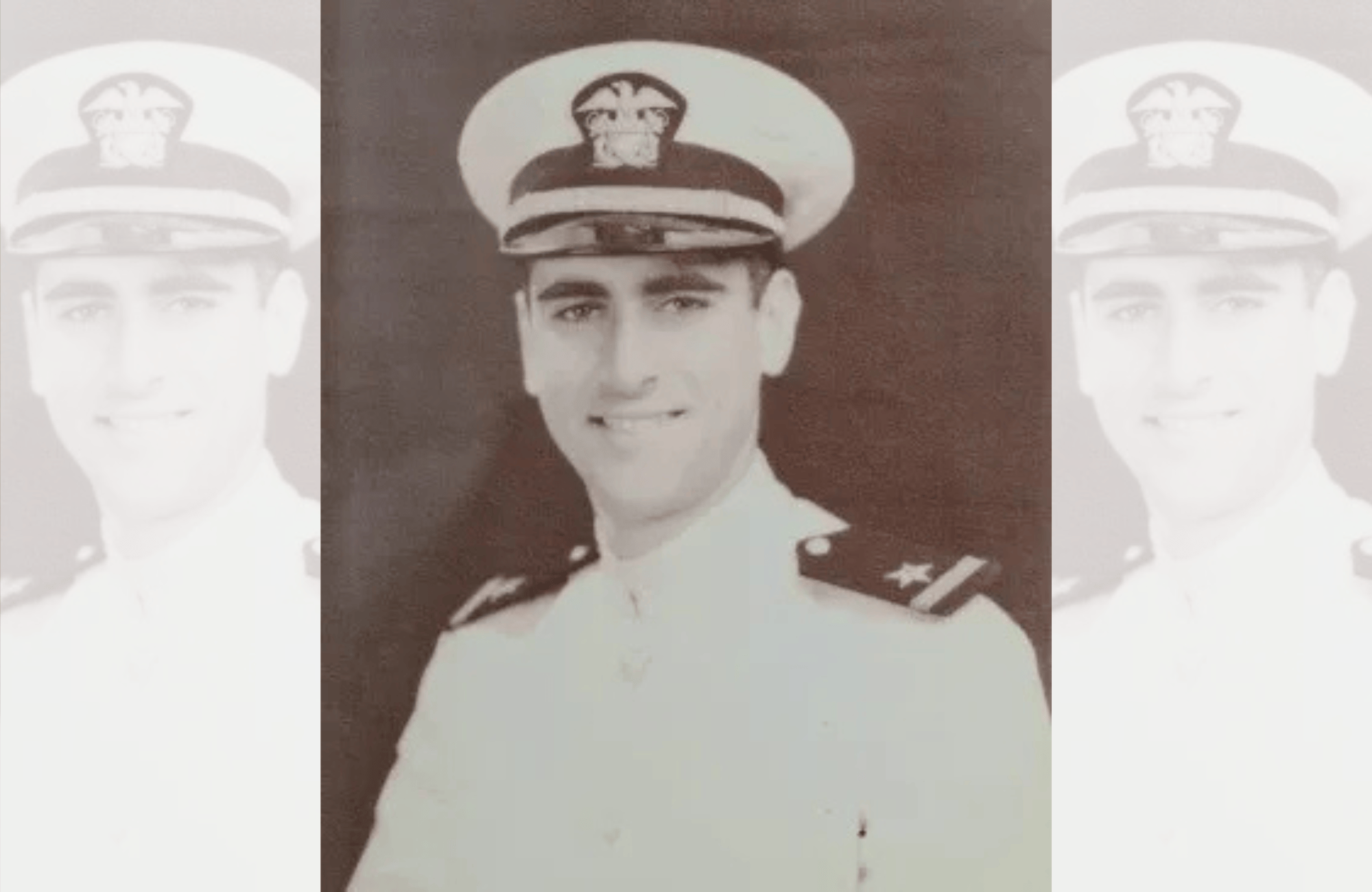
Few judges in American history have shaped veterans’ rights as profoundly as Jack Weinstein. The Brooklyn federal judge who presided over one of the most consequential legal battles of the Vietnam era died on June 15, 2021 — but his legacy lives on in the disability benefits now received by hundreds of thousands of veterans.
Weinstein was no stranger to the costs of war. A Navy Reserve lieutenant and World War II submariner who saw action during the Battle of Leyte Gulf, he brought a veteran’s perspective to the bench when, in 1984, he presided over a landmark class action lawsuit. Vietnam veterans were suing seven chemical companies, claiming that exposure to the defoliant Agent Orange had caused serious illnesses. Speaking in an interview, Weinstein was candid about where his sympathies lay.
“The veterans were treated dreadfully at the time [by their government] and I, as a veteran, had a great deal of empathy for them.”
But empathy alone does not win cases. Weinstein recognized early on that the lawsuit faced a steep legal climb — specifically on the question of causation. Proving a direct link between the aerial spraying of Agent Orange from C-123 aircraft and the range of diseases veterans feared would be extraordinarily difficult to establish in court.
“It was obvious right from the beginning that the case was a political-legal case and not a technological case,”
he said, explaining his view that the science of epidemiology made a clean legal victory unlikely. Even if veterans won at trial, Weinstein believed an appeals court would overturn the verdict on causation grounds — and that such a ruling would permanently damage veterans’ ability to seek disability benefits from the Veterans Administration for Agent Orange-related conditions.
A Settlement Before the Jury Was Seated
Rather than allow that outcome, Weinstein pushed both sides hard toward a settlement. The day before the trial was set to begin — May 7, 1984 — the parties reached an agreement. The seven chemical companies agreed to establish a $180 million compensation fund while admitting no liability. Weinstein had brokered the deal himself.
The reaction from veterans was raw and frustrated. At a subsequent hearing organized by Weinstein, many spoke of feeling betrayed twice — first in Vietnam, then in the courtroom. One veteran, Ramon T. Suarez, testified about the moment he first encountered the chemical spray during combat in Tay Ninh province, north of Saigon.
“I thought the enemy was throwing gas at us. When I got home, I learned it was the U.S.,”
Suarez told the court, as reported by The New York Times. The fund, many veterans argued, fell far short of what they deserved.
Despite that bitterness, Weinstein’s handling of the case did something important: it placed on the public record that something had gone seriously wrong in Vietnam. That record contributed to a shift in public and political pressure. Seven years after the settlement, Congress passed the Agent Orange Act of 1991, which created presumptive service-connection status for diseases linked to defoliant exposure. Since then, more than 690,000 Vietnam veterans have received disability benefits under that framework.
A Life Shaped by Service
Weinstein often pointed to his military service as the foundation for his authority — both in the classroom at Columbia Law School and behind the bench. He described standing watch in the conning tower of the submarine Jallao as formative.
“I had learned how to command, which stood me in great, good stead when I was a professor at Columbia and when I worked in the courtroom,”
he said in an interview with U.S. Courts. He was equally direct about how that translated to his judicial temperament:
“I was in full command of that courtroom and I have been since, just as I was when I was at the conning tower in the middle of the night standing watch. The ship was mine, the courtroom was mine, the classroom was mine.”
Weinstein was commissioned as a federal judge on April 15, 1967, by President Lyndon B. Johnson, and served on the bench for 53 years — retiring from active caseloads in February 2020 and passing away the following year. He was the last surviving federal judge appointed by Johnson.





Comments are closed.