
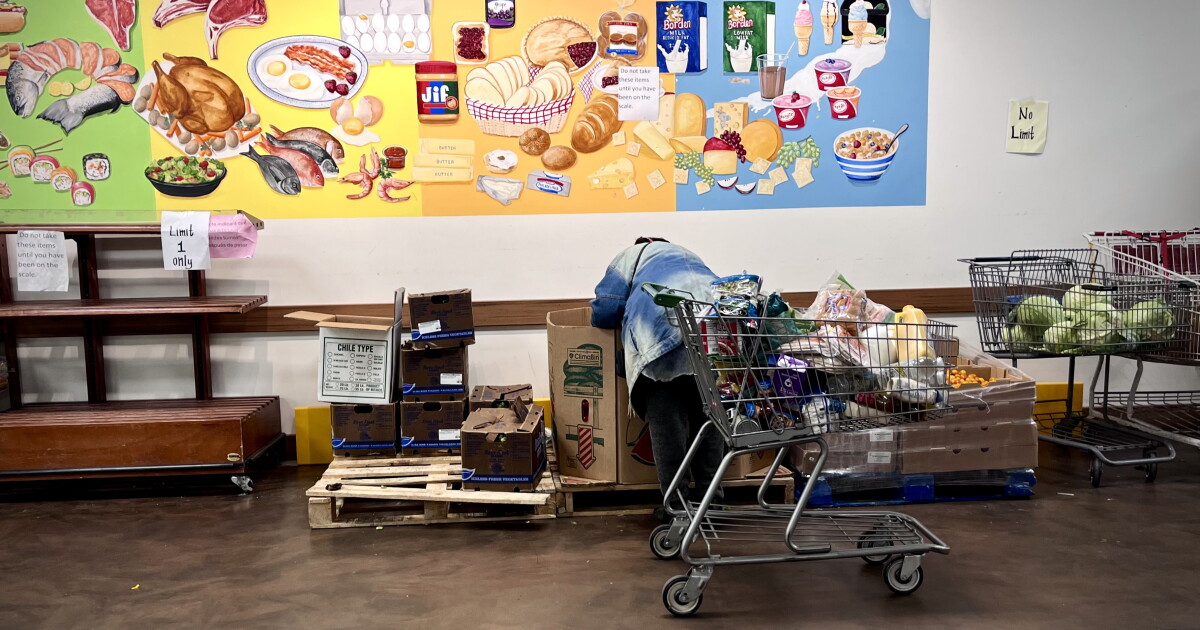
Grocery bills in Michigan are climbing — and the state’s governor is pointing directly at federal trade policy as the culprit. For families already stretched thin by the rising cost of everyday essentials, the pressure from food tariffs is becoming increasingly hard to ignore.
Governor Gretchen Whitmer is pushing back against import taxes that she says are hitting Michigan households harder than almost anywhere else in the country. This week, she sent a formal letter to the U.S. Secretary of the Treasury, arguing that federal tariff policies are squeezing both consumers and agricultural producers in her state.
Since April 2025, the federal government has raised import taxes on food supplies, fertilizer, and farm equipment. According to estimates from the Michigan Department of Agriculture and Rural Development, those policies pushed food prices up by 3% in that year alone — a hit that adds up quickly for families shopping on a budget.
Whitmer also cited National Taxpayers Union Foundation data suggesting Michigan ranks among the states with the highest per-household tariff costs in the nation.
“We need a federal trade policy that works with our allies, brings supply chains home, and makes life more affordable. Families deserve relief from rising prices on the essentials they depend on every day.”
That statement came from Whitmer’s office alongside her letter to Treasury officials. The Treasury Department did not respond to a request for comment.
Why Michigan Feels It More
Michigan’s agricultural economy is unusually broad, which makes it especially exposed to trade disruptions. Michigan State University food economist David Ortega explained that the state’s deep trade ties — particularly with Canada — make tariff ripple effects more pronounced here than in many other states.
“We have hundreds of crops and livestock sectors here in the state of Michigan and we are very much interconnected with some of our major trading partners, especially just across the border in Canada,”
Ortega said.
That interconnection means disruptions don’t stay at the border — they filter down into local grocery stores, farm operations, and household budgets across the state.
What Families Are Paying
Nationally, the Urban-Brookings Tax Policy Center estimates that food-related tariff rates have mostly ranged between 5% and nearly 14% since President Trump launched the policies last April. President Trump has defended the tariffs as a tool for supporting American businesses.
Ortega warned that the economic damage from tariff uncertainty isn’t something that resolves quickly.
“This is why it’s so important to ensure that the message is getting across that our approach to policy, the approach to uncertainty that’s been created within trade policy and other aspects have made it much more difficult for our producers, our businesses,”
Ortega said.
Can Consumers Get Their Money Back?
Whitmer’s letter goes a step further than just asking for policy changes — she’s calling on the federal government to refund Michigan residents for the extra costs they’ve absorbed because of the tariffs. It’s an ambitious ask, and one that economists say may be difficult to actually deliver.
Ortega noted a key complication: consumers don’t pay tariffs directly. That burden falls first on importers and exporters, making it hard to calculate exactly how much any one household has been affected.
“It’s hard to know what the actual burden is of that individual tariff on individual consumers. The tariffs are paid for by importers and exporting companies, and so that’s going to be much harder to really nail down,”
Ortega said.
The question of refunds isn’t entirely hypothetical. The U.S. Supreme Court already ruled many of Trump’s initial tariffs illegal and ordered the government to repay money it had collected — a legal development that has added pressure on the administration’s broader trade agenda and complicated the situation for suppliers across the country.








Comments are closed.