
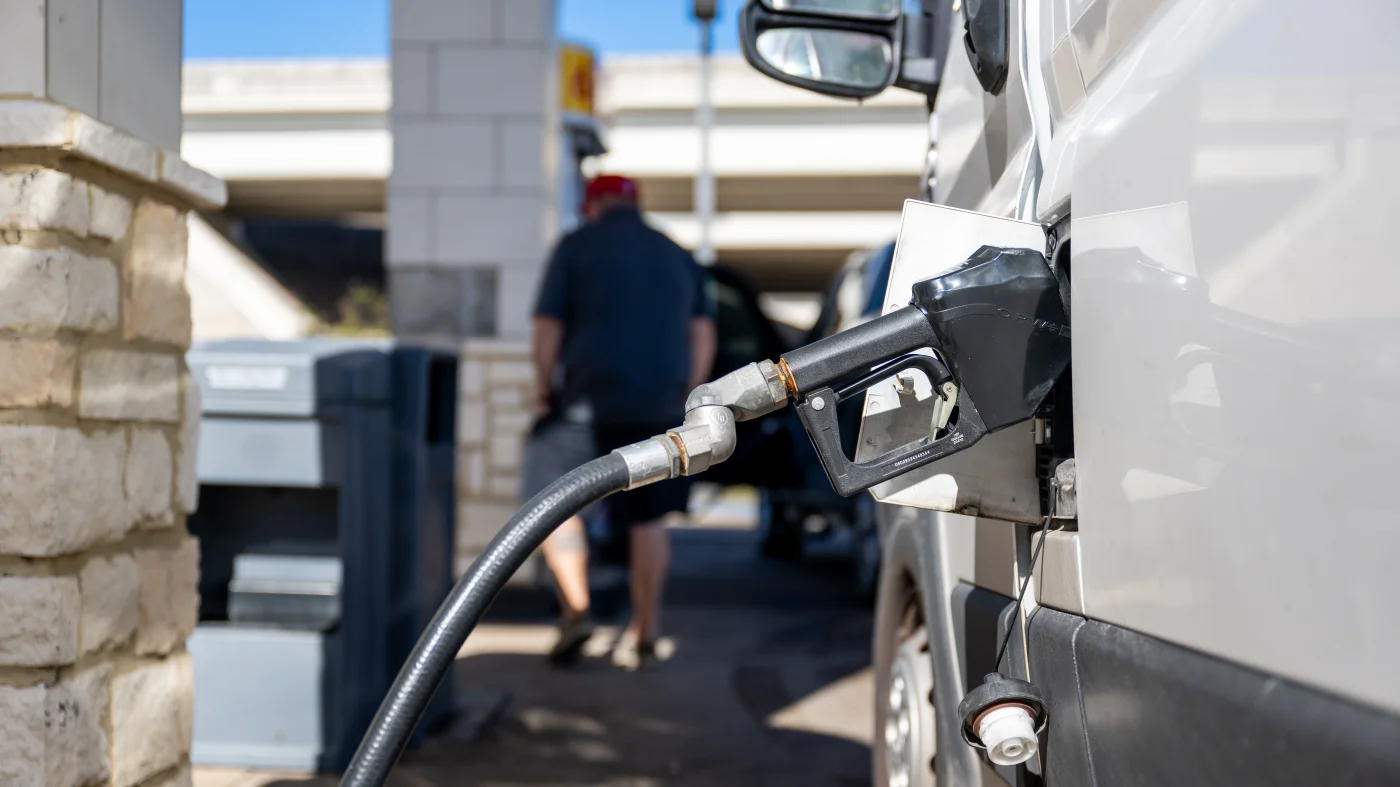
For millions of American families, every trip to the gas station has felt like a gut punch over the past several months. Now, for the first time in a long time, there’s a small reason to exhale — gas prices have finally dropped below $4 a gallon.
According to AAA, the national average for a gallon of regular gas now sits at $3.94 — the first time it’s crossed below that $4 threshold in months. Prices have fallen roughly 40 cents over the past month, with most of that drop happening in just the last two weeks. That may not sound like much, but for a family filling up two cars every week, it adds up fast.
Don’t Credit Politics — It’s Seasonal
It’s tempting to assume a political explanation for the price drop, especially with an election in the rearview mirror. But fuel analysts are pushing back on that idea. Patrick De Haan, head of petroleum analysis at GasBuddy, addressed this directly in his industry newsletter:
“Many will assume the election had something to do with it, but that’s a myth.”
De Haan says the real explanation is far more straightforward:
“For now, it’s the seasonal shift, not politics, driving the relief at the pump.”
Every year, oil and gas markets go through predictable seasonal cycles. Summer is the peak driving season, which pushes demand — and prices — higher. Once fall arrives, fewer people are on the road, demand softens, and prices tend to ease. AAA points out that colder weather simply means fewer drivers, and fewer drivers means less pressure on fuel supplies.
There’s also a technical factor at play. Refineries switch from producing a summer-blend gasoline to a winter-blend each fall. The summer blend is formulated to reduce smog by evaporating more slowly in the heat. The winter blend, by contrast, includes more butane — a cheaper ingredient — which helps bring costs down. Normally this switch happens around September 15, but this year the Environmental Protection Agency and Department of Energy moved the transition up to September 1, citing price pressures caused by the ongoing U.S. war in Iran. Fall also marks the end of annual refinery maintenance season, which puts a bit more supply back into the market.
The Bigger Force: Falling Crude Oil Prices
Seasonal shifts explain part of the picture, but the most significant factor driving prices down at the pump is what’s happening with crude oil. Jorge León, head of geopolitics at research group Rystad Energy, says the main driver is the falling price of Brent crude oil, now hovering around $90 a barrel. That’s the raw material refineries use to produce gas, diesel, and jet fuel — so when crude gets cheaper, pump prices tend to follow.
Two things are pushing crude prices lower: more oil coming out of the Middle East via pipelines, and growing optimism among market traders about diplomatic progress between the U.S. and Iran. That combination has nudged oil prices downward in recent weeks.
But León cautions that the situation remains fragile. In an email to NPR, he wrote:
“President Trump may see further military action as a way to regain negotiating leverage before Democrats take control of Congress in January. If we see renewed escalation, much of last week’s oil price decline could quickly reverse.”
And if oil prices reverse, so would gas prices at the pump.
Congressional Democrats, who have expressed support for ending the war in Iran, do have some tools available — including the ability to withhold war funding or slow the confirmation of key officials — though their power to end the conflict outright is limited.
Don’t Expect a Full Return to Pre-War Prices Anytime Soon
Even if diplomatic progress holds and crude oil prices continue to fall, experts say American families shouldn’t expect gas to return to what it cost before the Iran war started. Getting there would require the entire global oil supply chain to fully recover — a process far more complex than a peace deal alone can fix.
Jaime Brito, executive director of refining and oil markets for Dow Jones Energy, explained the challenge in an email to NPR:
“Coming back to those levels will require a return to normal crude production, shipping and refining of the entire global supply chain.”
Brito added that even sustained lower crude prices wouldn’t be a complete fix:
“However, this does not mean a complete ‘normalization,’ a return to the price levels we had before this conflict started.”
Ships that have been rerouting around the Strait of Hormuz would have to return to normal routes, refineries would need to ramp up production, and depleted fuel stockpiles around the world would need time to recover. That process, analysts say, could take months even after a lasting peace deal is reached.
In the meantime, the small bit of good news is real — but so is the broader context. As AAA noted in a recent update, gas prices are still the highest they’ve ever been at this time of year. The broader inflation picture remains a strain on household budgets, and oil company earnings have continued to skyrocket even as everyday Americans struggle at the pump. A dip below $4 may feel like progress — and it is — but for most families, it’s still a long way from affordable.










Comments are closed.