
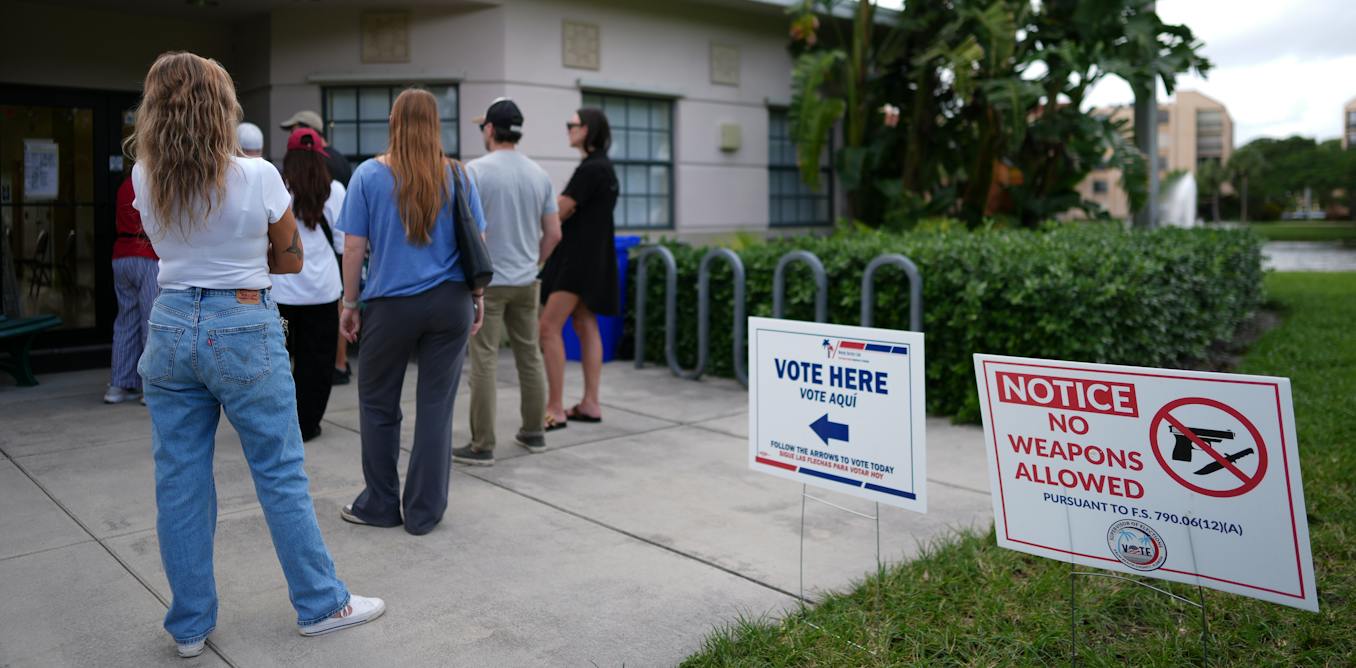
Florida homeowners celebrated a major tax victory at the ballot box — but the full story of what Amendment 3’s passage means for everyday Floridians is far more complicated than the cheers suggest. While the measure promises lower property tax bills for millions of homeowners, economists warn it could trigger higher costs in other areas, squeeze renters, and strain the public services families depend on most.
On November 3, 2026, more than 60% of Florida voters approved the constitutional amendment, driven largely by frustration over a rising cost of living and climbing property tax bills. Florida property taxes now average just over $3,000 a year — and can run significantly higher for owners of more expensive homes.
What the Amendment Actually Does
Under Amendment 3, the homestead exemption — the portion of a home’s assessed value shielded from taxes — jumps from the current $51,400 to $150,000 in 2027, then rises again to $250,000 in 2028. That means homeowners will pay taxes on a smaller slice of their home’s value, lowering their annual bills. New Florida residents who purchase a home would also reportedly be eligible for a property tax break, though on a more gradual, phased-in basis.
The amendment also cuts the annual cap on how much the assessed value of rental and commercial properties can increase — dropping it from 10% to 5% per year. Landlords could still see meaningful annual tax increases as their properties rise in value — and those costs would likely be passed on directly to renters.
Notably, school-related property taxes are excluded from these cuts. And while the amendment includes some language about ensuring local governments continue funding essential services, that wording contains loopholes that give local officials room to interpret it broadly.
An $11.8 Billion Hole in Local Budgets
The price tag for this tax relief is enormous. The Florida Legislature’s research arm estimated the measure would drain $11.8 billion in annual property tax revenue — representing a 30% reduction for Florida counties and a 13% cut for smaller municipal governments. Because Florida has no state income tax, property taxes collected by roughly 640 local government entities are a cornerstone of public funding. Cutting that revenue doesn’t make the need for services disappear — it just shifts who pays for them.
Economists who have studied Amendment 3 warn that local governments will face serious pressure to find revenue elsewhere. When governments cut property taxes for one group, the burden tends to shift to others — and that pattern is expected to play out here. To make up for the shortfall, local officials may turn to a range of options including higher state and local sales taxes, an expansion of goods subject to sales taxes, or increases to documentary stamp taxes on mortgages and deeds.
Governments could also raise fees for services like solid waste treatment, stormwater utilities, permits and inspection fees, fuel taxes, and vehicle registration and other service charges. Some counties may also look to boost tourism-related taxes on food, beverages, and hotel stays — though that option won’t help inland counties with limited tourism, and that revenue tends to fluctuate.
Who Gets Hit the Hardest
For lower-income Floridians, the ripple effects could be significant. Sales taxes hit harder for people who spend most of their paycheck on everyday necessities — a larger share of their income goes toward consumption compared to wealthier households. And since lower-income residents are far more likely to rent than own a home, they won’t benefit from the homestead exemption increase, but they could end up paying higher rents if landlords pass on their costs.
Public safety is also on the line. Funding for police, fire, and emergency medical services is primarily the responsibility of local governments and consistently represent the largest line item in county budgets. Smaller, less-populated counties with fewer alternative revenue options would feel these cuts most acutely.
A Hidden Threat to Affordable Housing
One largely overlooked consequence of Amendment 3 involves Florida’s already-stressed affordable housing shortage. The economics of property taxes mean that residential home construction is actually costly for local governments — for every dollar a homeowner pays in property taxes, county governments spend around $1.20 providing the services those residents require. With property tax revenue falling further, that gap widens.
That math gives counties a financial incentive to favor commercial or industrial development — think data centers or manufacturing plants — over new housing. And with fewer homes built as a result, the supply squeeze on housing would only intensify, pushing prices and rents even higher for the very workers those businesses need. Research from the OECD supports the concern that local tax structures can powerfully shape land use decisions in exactly this way.
For Florida’s county and local governments, Amendment 3 sets the stage for difficult trade-offs — between keeping taxes low for homeowners and maintaining the services, infrastructure, and housing supply that all residents depend on. The full consequences of this landmark vote are only beginning to come into focus.






Comments are closed.