
When geopolitical tensions rise, most Americans feel the effects at the gas pump — but city governments face a different kind of pressure entirely. In Dearborn, Michigan, local officials aren’t waiting to find out how bad things could get.
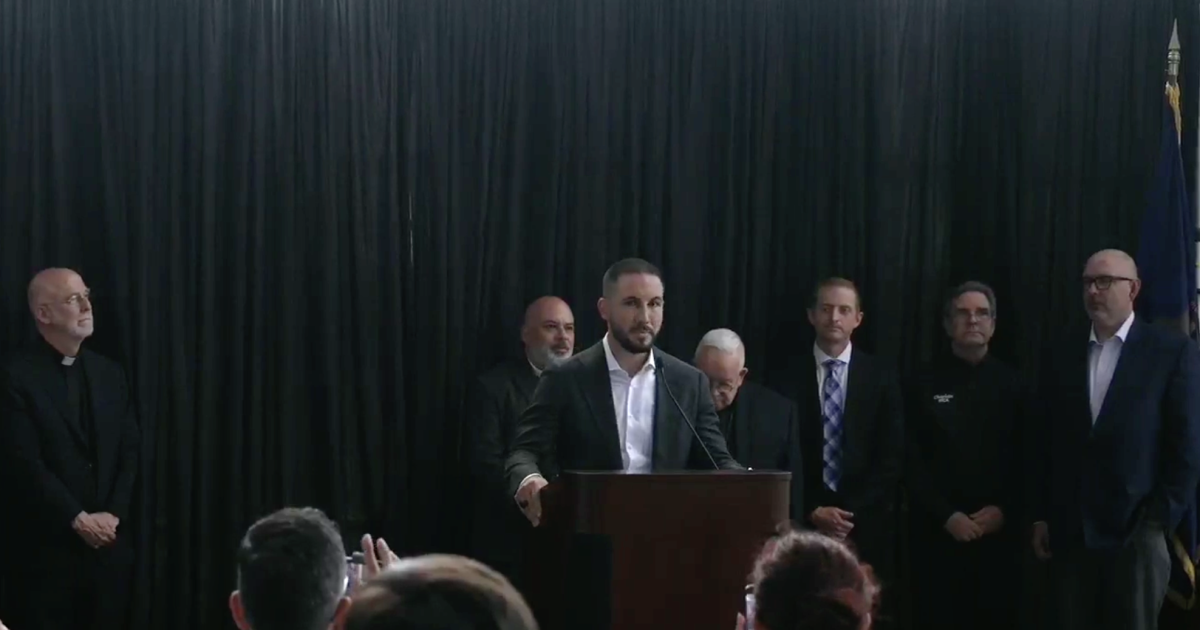
The City of Dearborn has taken a proactive step to shore up its fuel supply amid growing concerns about a potential resumption of conflict between the United States and Iran. Mayor Abdullah Hammoud announced the move after Etai Smotrich-Barr reported on it for Michigan Public’s politics and government coverage, drawing attention to how one American city is responding to shifting global dynamics.
On Thursday, the city filled its municipal fuel stations to capacity, adding 20,000 gallons of diesel and gasoline at a total cost of $75,000. That fuel will keep emergency vehicles, snowplows, and other city-operated equipment running. According to Hammoud, full reserves give Dearborn four to six weeks of operational sustainability.
Reading the Pentagon’s Signals
Hammoud said the decision was driven by signals coming out of Washington — specifically, recent reports that the U.S. is weighing new combat operations and a federal directive instructing Army bases to stockpile 90 days’ worth of supplies.
“We are reading the tea leaves on the messages that the Pentagon is putting out,”
Hammoud said, adding that the fuel purchase was
“a necessity to ensure that we had the resources we need to sustain the operations at the level of service that our residents expect.”
The concern isn’t just about access to fuel — it’s about price. Hammoud warned that any resumption of conflict could trigger supply-chain disruptions and sharp spikes in gas prices, both of which could compromise the city’s ability to deliver basic services to residents.
A Shift in How Dearborn Manages Fuel
Typically, Dearborn waits until its fuel reserves run low before placing a new order — a standard municipal approach built on predictable supply chains. But that calculus has changed. Hammoud said the city has been monitoring supply chains far more closely since U.S. military intervention in Iran began, and that uncertainty now shapes purchasing decisions in real time.
“Now what we have to continually ask is at what point in time do we top off again?”
Hammoud said.
Hammoud acknowledged he is not aware of whether other cities are taking similar steps. He also made clear that, ideally, this kind of contingency planning wouldn’t be necessary at all.
“And these aren’t decisions that we need necessarily to be making,”
Hammoud said.
“We should be able to have the peace of mind that gas and diesel supply chains aren’t going to be disrupted.”







Comments are closed.