
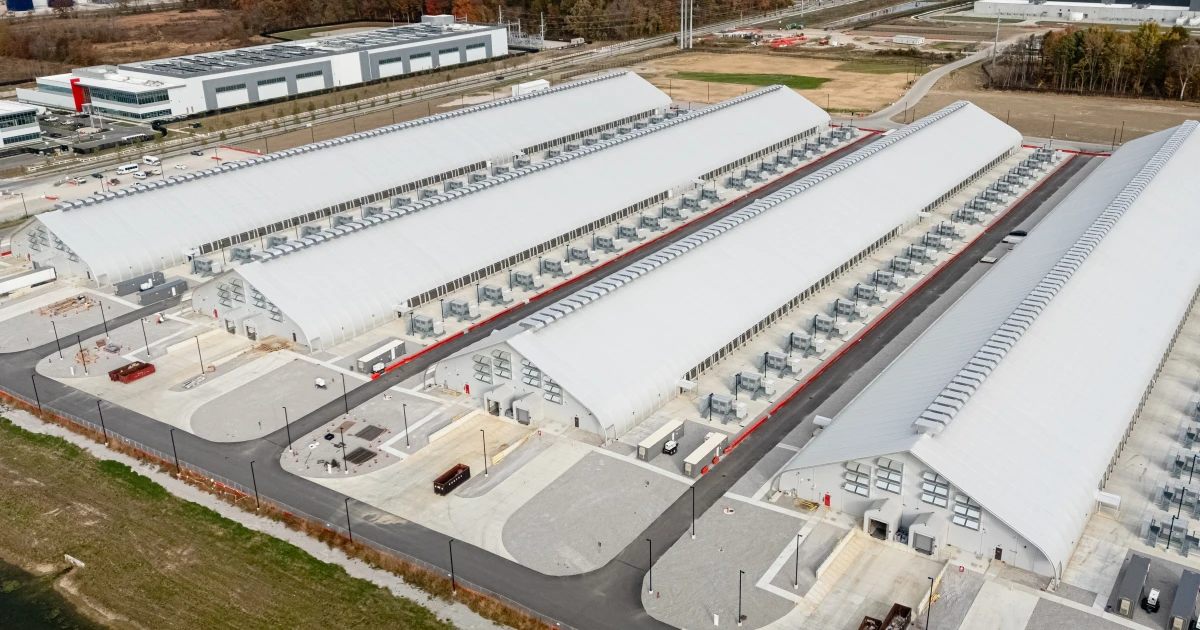
Energy bills have climbed nearly 40% over the past five years, and demand is only growing — driven in large part by the rise of artificial intelligence and the data centers that power it. Now, the U.S. Senate has taken a significant step toward addressing both the cost and the infrastructure gap fueling the problem.
The Senate passed the Bipartisan American Affordability and Jobs Act on Thursday by a vote of 62-33. The bill, co-authored by two Democrats and two Republicans, would streamline the federal permitting process for data centers, power plants, and other energy infrastructure. Fourteen Democrats and one Independent crossed party lines to support it. The legislation now moves to the House for consideration.
The core idea behind the bill is straightforward: cut through the layers of federal red tape that have long delayed energy projects from getting built. Senate Majority Leader John Thune said the legislation would
“cut through decades of red tape”
and
“save the average household hundreds of dollars each year, and Americans will see better roads, more American manufacturing, and better-paying jobs.”
West Virginia Republican Sen. Shelley Moore Capito, one of the bill’s co-authors, called the vote a turning point. She said,
“Tonight, the passage of permitting reform in the Senate finally became reality and we took a major step towards addressing the affordability concerns of the American people.”
Rhode Island Democratic Sen. Sheldon Whitehouse, another co-author, struck an optimistic note about what comes next. He said
“Americans will quickly begin getting some relief on their energy bills if the House follows suit.”
Whitehouse also noted the bill includes provisions requiring data centers to pay for the electricity they consume — a point of particular public interest, as data center expansion has drawn backlash in communities across the country.
Why Energy Costs Are a Flashpoint
The timing of the vote reflects a growing sense of urgency around energy and climate concerns. The cost of a kilowatt-hour of electricity has risen more than 6% in the past year alone and 39% over the last five years — outpacing overall inflation. AI-driven data centers are placing new and significant strain on the power grid, adding urgency to the question of how and where energy gets built.
Supporters of the bill argue it will help accelerate not only traditional energy projects but also renewable ones. Some climate advocates say faster permitting is exactly what’s needed to build more solar, wind, and battery storage infrastructure across the country.
Opposition From Environmental and Democratic Voices
The bill has not been without controversy. Major environmental organizations — including the Sierra Club and the National Wildlife Federation — have come out against it, arguing that streamlining the approval process would weaken environmental accountability.
A number of Democratic senators have also voiced strong opposition, contending the bill would make it easier to greenlight oil and gas projects and energy-hungry data centers while rolling back clean air and water protections. Concerns have also been raised about the bill’s potential impact on tribal sovereignty and Indigenous lands.
Washington Democratic Sen. Maria Cantwell urged caution on X, saying,
“Don’t sacrifice the Clean Water Act, hunting or fishing grounds, historic or sacred sites, or protections of tribal sovereignty.”
California Sen. Alex Padilla echoed those concerns, saying,
“I support cutting red tape and getting more energy projects built, but not at the expense of tribal sovereignty and California’s environment.”
Oregon Democratic Sen. Jeff Merkley was more blunt in his assessment. He said on X the bill is
“a bad deal,”
adding,
“It opens the gates to a flood of natural gas for data centers while leaving expanded transmission of renewable energy subject to Trump’s obstruction.”
President Trump has publicly backed the legislation, calling it on social media a
“BIG WIN for U.S. ENERGY INDEPENDENCE and DOMINANCE.”
The bill now awaits action in the House, where the same fault lines are likely to emerge.








Comments are closed.