
Every two years, American voters don’t just choose individual lawmakers — they shape who holds the gavels, runs the hearings, and oversees the military institutions that protect the country. This election cycle, that choice carries unusual weight as some of Congress’s most experienced military veterans prepare to leave office for good.
The share of veterans serving in Congress has been falling for half a century. According to the Congressional Research Service, roughly one in six current members of Congress served in the military — a steep drop from nearly three in four in 1973. That decline has continued almost without interruption for 50 years, and the midterm elections will determine how much further it falls.
Military Times counted approximately 100 veterans when the current Congress was seated, including 72 Republicans, 28 Democrats, and nine women — the most female veterans ever to serve simultaneously. Stars and Stripes put that number at 97 as of January, with 79 in the House and 18 in the Senate. Air & Space Forces Magazine identified 15 current members who are Air Force veterans.
At least seven veterans are not seeking reelection this cycle, part of a record 55 incumbents stepping aside. What makes their departures particularly significant for oversight of the military is that several hold specialized committee roles — roles built on years of seniority and institutional knowledge that cannot be handed off automatically to whoever wins their seats.
Who Is Leaving — And What Goes With Them
Republican Rep. Don Bacon of Nebraska, a retired Air Force brigadier general, chairs the House Armed Services subcommittee responsible for military cyber operations, artificial intelligence, and new technologies. His subcommittee gavel will pass to another sitting committee member after the election — not to any newcomer, regardless of their military background.
Democratic Rep. Jared Golden of Maine, a Marine who served in both Iraq and Afghanistan, also sits on the Armed Services Committee. He cited public incivility,
“plain nastiness”
and threats to his family as reasons for his decision to leave.
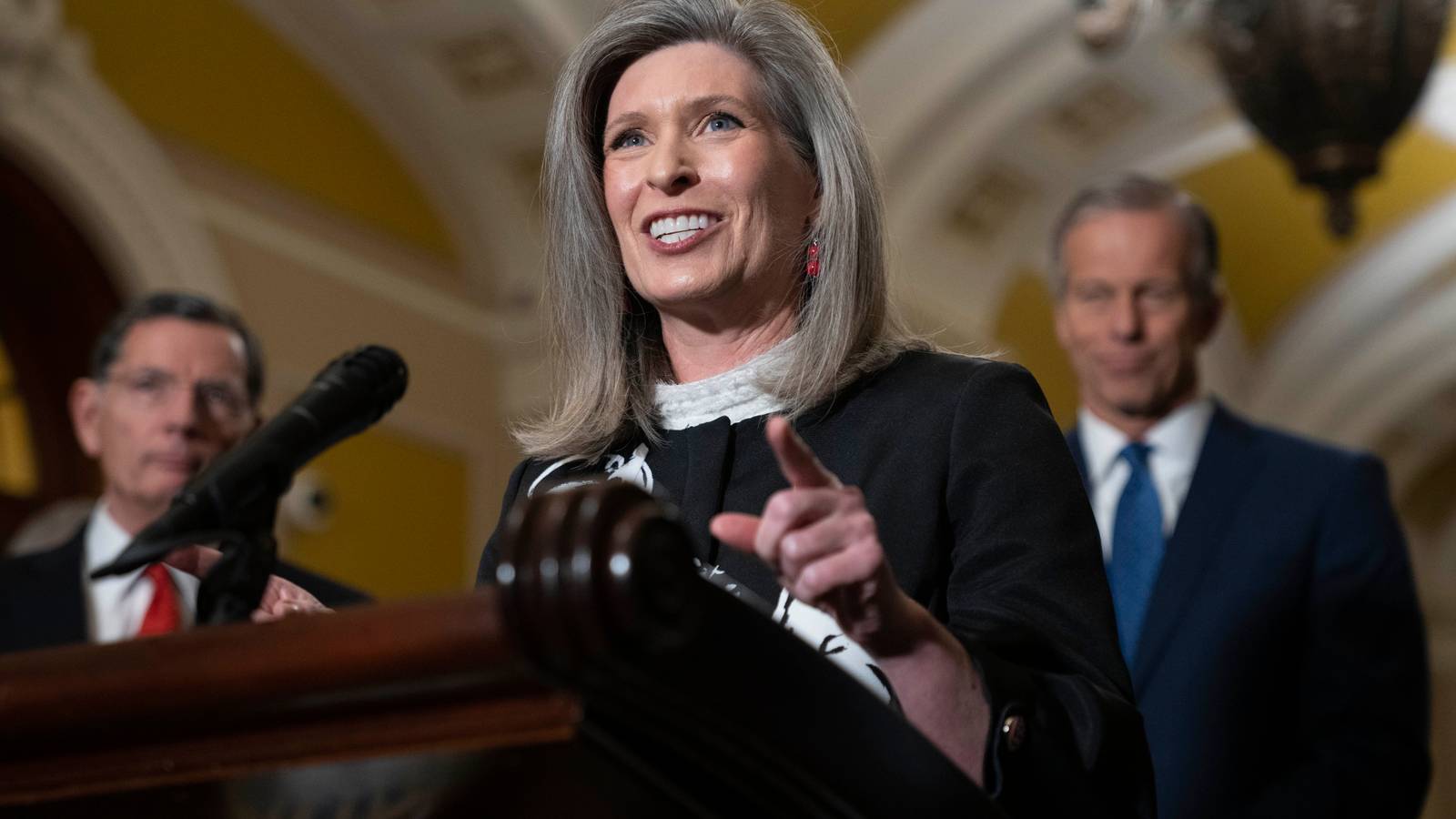
Republican Sen. Joni Ernst of Iowa — a retired Army lieutenant colonel and the first female combat veteran elected to the Senate — announced in September 2025 that she will not seek a third term. Her departure from the Senate Armed Services Committee opens a seat that candidates from both parties are now competing for, the Iowa Capital Dispatch reported.
Former Navy SEAL and Republican Rep. Morgan Luttrell of Texas is leaving his post on the House Veterans Affairs Committee. Republican Sen. Lindsey Graham of South Carolina, an Air Force veteran who served on the Senate Armed Services Committee, died in July. His sister, Darline, is currently locked in a contentious race against Annie Andrews for his former seat.
Also departing: Reps. Troy Nehls, Vern Buchanan, and Barry Loudermilk, along with Sens. Gary Peters and Mitch McConnell. Peters is the only Democrat among them.
A Record Number of Veterans Are Running
The departures come as an unusually large wave of veterans enters the race. According to the veterans’ organization With Honor, 752 veterans have run or are running for Congress this cycle — a 47% jump from 2024 and the most the group has ever tracked, as Military.com previously reported.
That surge reflects the strong public standing veterans carry into electoral politics. Polling shows 80% of Americans trust veterans. But With Honor co-founder Rye Barcott, a veteran himself, cautioned that the standing
“can also erode over time.”
Air & Space Forces Magazine counted 37 former airmen on Tuesday’s ballots — 18 Republicans, 13 Democrats, and six independent or third-party candidates. Among them: Republican Chris McGowan, heavily favored for an open Iowa House seat, and Democrat Alani Bankhead, running for Montana’s open Senate seat. Rebecca Bennett, an Air Force veteran and Democrat, is running in one of New Jersey’s most competitive House districts.
What the Votes Actually Decide
Beyond individual seats, voters are effectively deciding who controls the committees that write military policy and oversee veterans’ services. The Armed Services committees in both chambers write the National Defense Authorization Act each year and conduct the hearings that put Pentagon leaders under oath. The Senate panel also reviews nominees for senior military and civilian Pentagon positions before the full chamber votes.
Luttrell’s House Veterans’ Affairs Committee, meanwhile, writes the laws governing VA health care, benefits, and accountability for the millions of Americans who served.
Committee chairmanships follow whichever party holds the majority, which makes the midterms consequential beyond any single race. Sen. Roger Wicker of Mississippi, a Republican and former Air Force judge advocate who currently chairs the Senate Armed Services Committee, would shift to ranking member if Democrats take control of the chamber.
New veterans elected this fall will not step into these roles immediately. Freshmen start at the bottom of the committee ladder. Subcommittee gavels, like the one Bacon is giving up, come with years of tenure — not simply with a record of military service. The full picture of who leads what won’t be clear on election night. Committees organize after the votes are counted, in the weeks when majorities are confirmed and seniority is sorted out.