For wounded soldiers stranded near the front lines in Ukraine, waiting for rescue can mean the difference between life and death — sometimes a wait that stretches into days. A new aerial evacuation drone is now changing that reality, reaching injured troops in combat zones too dangerous for traditional rescue methods.
Ukraine’s military has confirmed the first successful battlefield evacuations using the StarGate drone, a six-rotor aircraft equipped with an enclosed rescue capsule designed to extract injured troops from high-risk areas. The 475th Separate Assault Regiment — also known as Code 9.2 — announced Monday that the drone completed two separate missions over the past week, rescuing soldiers stranded roughly 5 kilometers (3 miles) from the Russian border.
One of those soldiers was a 24-year-old identified only by his call sign, “Izyum,” from the 1st Territorial Defense Brigade. His name was withheld for security reasons, in line with Ukrainian military protocol. He had waited two days for evacuation and was physically unable to walk the 20 kilometers (12 miles) out of the combat zone on his own.
“The injury tore off half of my foot, so a lot of blood was lost already,” he said in a video interview from his hospital room. “I think if that incredible little bird hadn’t flown in, well, getting out from there would have been unrealistic.”
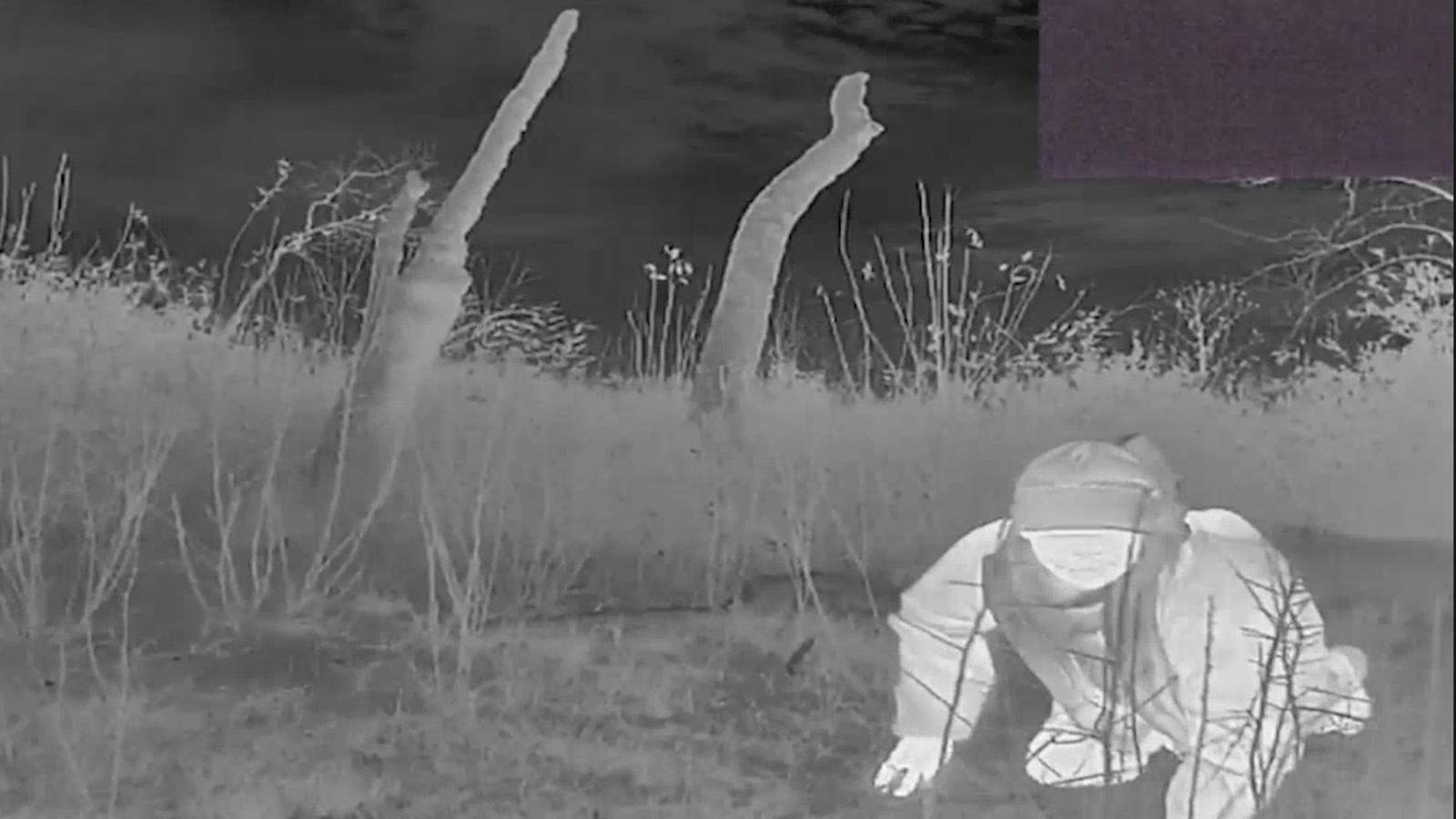
The drone arrived carrying an orange-and-black, cigar-shaped stretcher, landing in a field tangled with tall grass and fiber-optic spool cable. Izyum and fellow soldiers feared it might get stuck on the debris — but the flight to safety was completed in under 15 minutes.
“From the bottom of my heart, I am so grateful that they actually flew in and picked me up,” he said.
How the StarGate Drone Works
StarGate was developed by Ukrainian technology company SkyFall and is built specifically to reach areas where artillery fire and hostile drone activity make traditional rescue operations nearly impossible. The aircraft can carry up to 150 kilograms (330 pounds) and is outfitted with signal jammers and autonomous navigation systems designed to counter Russian electronic warfare.
Both soldiers rescued last week had suffered severe limb injuries and were positioned in what military personnel refer to as the “gray zone” — the strip of territory separating Ukrainian and Russian forces. The drone’s goal is to slash rescue times from hours down to minutes, covering terrain currently reached only by unmanned ground vehicles.
The Associated Press was granted exclusive access to the drone earlier this month, ahead of its final stage of testing. Code 9.2 had tested StarGate for several weeks before deploying it in live operations.
A SkyFall spokesperson — who spoke anonymously due to security risks facing Ukrainian military technology personnel — said the company plans to establish a dedicated unit of pilots and deployment specialists for the rescue drones.
“Service members who weren’t sure if they would ever make it out of their positions are now able to return home and hug their children,” the spokesperson told the AP.
Plans to Expand Aerial Evacuations
The commander of the Code 9.2 regiment, known by the call sign “Flint,” said the unit intends to build on this early success by restructuring how it handles battlefield medical response.
“In the future, we plan to make changes to the staffing structure of our regiment and create a separate medical aviation unit within the medical company,” he said. “It will specialize directly in evacuating wounded soldiers from the battlefield by air transport.”
Izyum, who hopes to return to beekeeping once the war is over, said he believes this technology needs to be scaled up urgently.
“I think this needs to be developed and expanded because we have a lot of guys who cannot get out of the situations they find themselves in,” he said.
“Having to walk very many kilometers with that level of shelling that is going on, whether walking yourself or carrying a wounded person — let’s just say making it out of there is not very likely.”