The U.S. military is doubling down on a mission that goes beyond weapons and tactics — keeping the troops who carry them in peak physical, mental, and emotional condition. A newly announced federal advisory committee will bring together some of the country’s top medical and scientific minds to help the Pentagon figure out how to do exactly that.
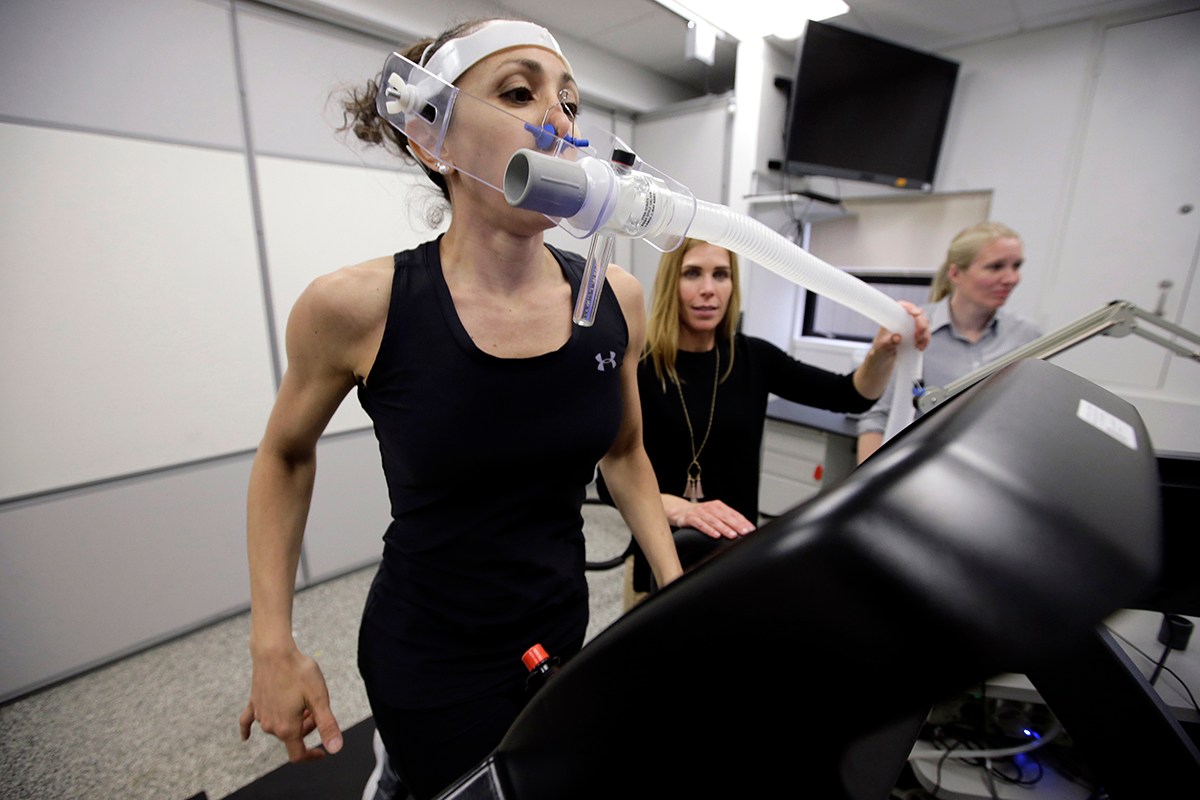
According to a Federal Register notice Tuesday, the Department of Defense is establishing a $1.4 million advisory council focused “exclusively on human performance.” The group will advise the military on improving troop function, addressing the physical, mental, and emotional toll of military service — collectively known as “operator syndrome” — and reducing injuries and operational stress.
The announcement described the council’s purpose plainly:
“The Council will serve as a high-impact, low-cost mechanism for the [DoD] to secure the expertise of the nation’s foremost leaders at the nexus of warrior health and performance.”
How This Fits Into a Broader Push
The new committee is the latest step in an ongoing Pentagon effort to unify and elevate how the military approaches troop readiness. Earlier this year, the DoD established a Warfighter Performance Optimization (WPO) division inside the office of Under Secretary of Defense for Personnel and Readiness Anthony Tata.
In May, Defense Secretary Pete Hegseth directed Tata to report on existing optimization initiatives across the services and develop a department-wide plan. Hegseth also called for faster rollout of technologies like wearable devices and data analytics tools, while placing emphasis on performance of a different kind — cognitive sharpness as a readiness asset.
In a written directive, Hegseth outlined the vision behind the new structure:
“By building on and modernizing the principles of Total Force Fitness (TFF), WPO will deliver a unified operational approach to accelerate readiness, dominance, and peak performance across the Force. We will treat the Warfighter as a readiness capability, held to the same disciplined evaluation, maintenance, and optimization we demand of every asset that preserves combat power.”
What Each Branch Is Already Doing
The individual military branches have each developed their own programs in recent years. The Army launched its Holistic Health and Fitness initiative in 2020 to reduce the number of soldiers unable to deploy due to chronic medical conditions. The Navy piloted a Human Performance Optimization program in San Diego in February, covering nutrition, sleep, injury prevention, and stress management.
The Marine Corps introduced a total fitness strategy in 2023 combining wellness, fitness, mental health, and data tracking. Meanwhile, the Air Force is building a new human performance optimization facility at Davis-Monthan Air Force Base in Arizona, specifically designed to support Air Force Special Warfare airmen.
Who Will Sit on the New Council
The advisory committee will include up to 20 members with expertise spanning a wide range of medical and scientific disciplines — among them urology, endocrinology, nutrition, neurology, combat stress, orthopedics, preventive medicine, wearable technology, sleep medicine, human factors engineering, and spiritual, psychiatric, or psychological health.
Like all federal advisory committees, members serve as volunteers. They are not paid, though they do receive reimbursement for travel costs and per diem expenses while conducting council business. The DoD described the arrangement as
“an exceptionally cost-effective resource.”
The council’s stated aim is to help the military create
“lethal, operationally ready warriors prepared physically, psychologically, for successful large-scale, high kinetic, combat operations against peer adversaries who are imbued with the essential Warrior Ethos to win decisively.”
A Broader Reshaping of Pentagon Advisory Boards
This new council is part of a larger reshaping of how the Pentagon manages outside advisory input. Shortly after taking office, Hegseth dissolved the membership of roughly 40 Defense Department advisory boards and launched reviews to assess whether each one supported his goal to “revive the warrior ethos” in the armed forces. Among those terminated were the Defense Advisory Committee on Women in the Services and the Defense Advisory Committee for the Prevention of Sexual Misconduct.
Since then, Hegseth has introduced several new boards. The most recent, the Homeland Defense Board — announced on September 11 — will focus on military support for homeland security missions, with Hegseth planning to serve as its chair.