
When the U.S. Army detonated five tons of aging explosive material in southeastern Iowa, millions of Americans had one immediate question: Is the water safe to drink? Early test results are offering some reassurance — but the story behind how this situation unfolded is raising serious questions about government transparency.
The Environmental Protection Agency announced Saturday that initial laboratory results show no detectable rise in lead levels in the bodies of water that supply drinking water to the region. The findings come after the Army carried out a controlled detonation of an aging stockpile of lead azide — a highly sensitive explosive compound — in southeastern Iowa.
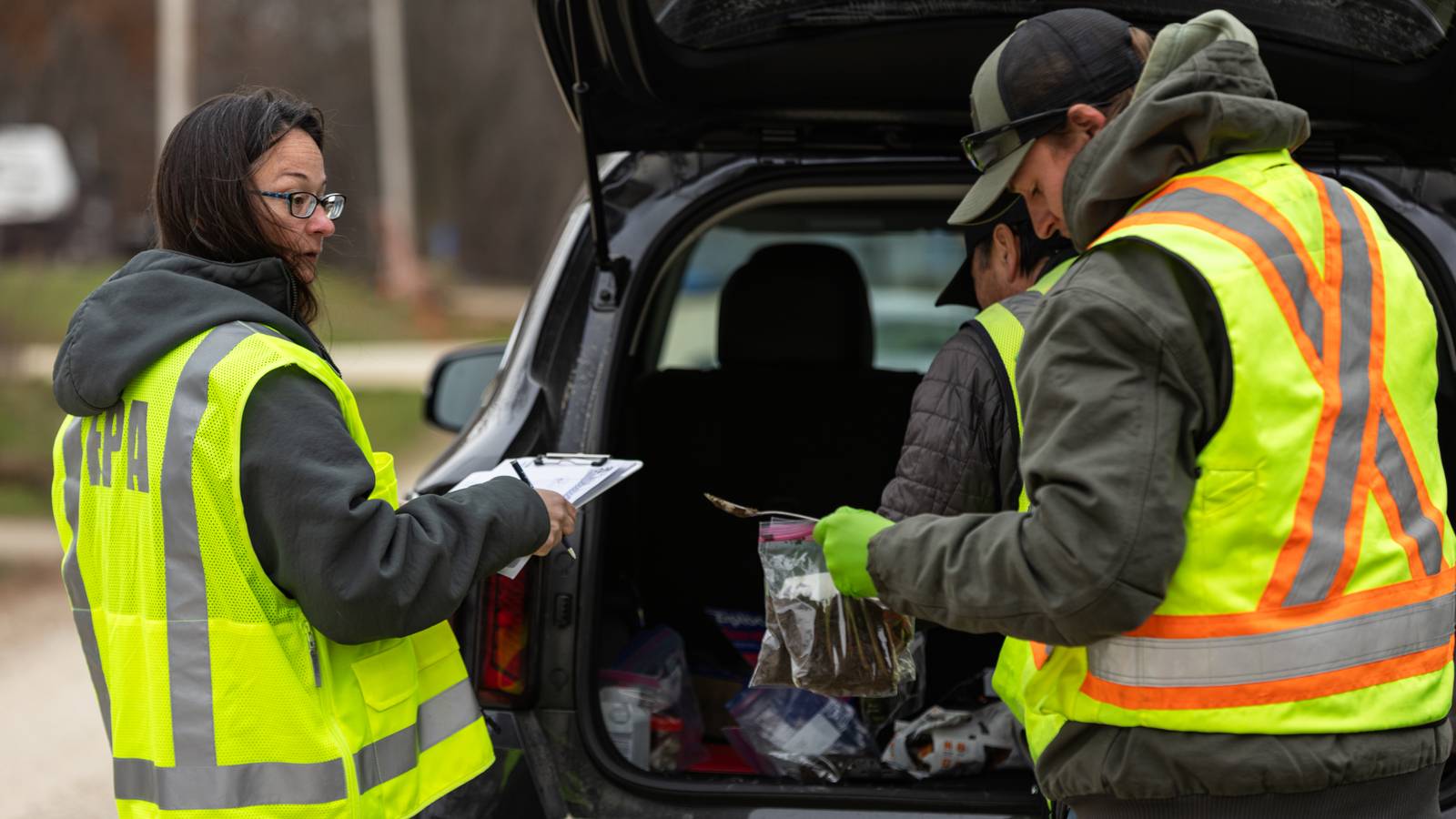
The EPA deployed roughly 300 field workers on Thursday alone, sending them to sample schools, playgrounds, churches, and private homes across the affected region. In total, more than 1,500 samples of air, water, soil, and dust were collected before the blast, with hundreds more gathered afterward — including from parks, residences, and drinking water sources.
The EPA shared the following update on X:
“The EPA monitored for the presence of airborne lead for 30 consecutive hours after the controlled detonation using the Xact air monitoring systems. We will continue to provide updates in the coming days as new lab results for over 3,200 air, soil, dust and water samples … return and get validated.”
Why the Army Said It Had No Choice
The Army justified the rapid detonation by citing the increasingly unstable condition of the stockpile. Officials said the lead azide was degrading and posed a risk of uncontrolled explosion — a danger that would only grow as temperatures dropped. In their assessment, a controlled blast was the safest available option, even on a tight timeline.
Lead is particularly dangerous to children and pregnant women, making the potential for any environmental contamination a serious public health concern for families throughout the region.
Transparency Concerns Mount
Despite the Army’s reasoning, the decision and its rushed timeline have drawn sharp criticism. Residents and elected officials say the federal government failed to communicate clearly and promptly once it determined the stockpile had become unstable. The small town of Middletown, Iowa — where the Army stockpile was stored — had some advance knowledge of the planned detonation. But that information did not effectively reach surrounding communities, local lawmakers, or the general public until just days before the blast took place.
Critics argue that regardless of the operational urgency, there was enough time to provide greater transparency and broader public notification. The gap between what officials knew and what residents were told has become a central grievance for those living in the affected area.
The EPA says it will continue releasing findings as more than 3,200 collected samples are processed and validated in the coming days.






Comments are closed.