
When two of North America’s closest allies disagree about who’s pulling their weight on defense, the ripple effects can reach far beyond military budgets — touching trade relationships, jobs, and the economic ties that affect everyday Americans on both sides of the border. The latest public dispute between Washington and Ottawa over Canada’s military spending is raising real questions about the future of one of America’s most important partnerships.
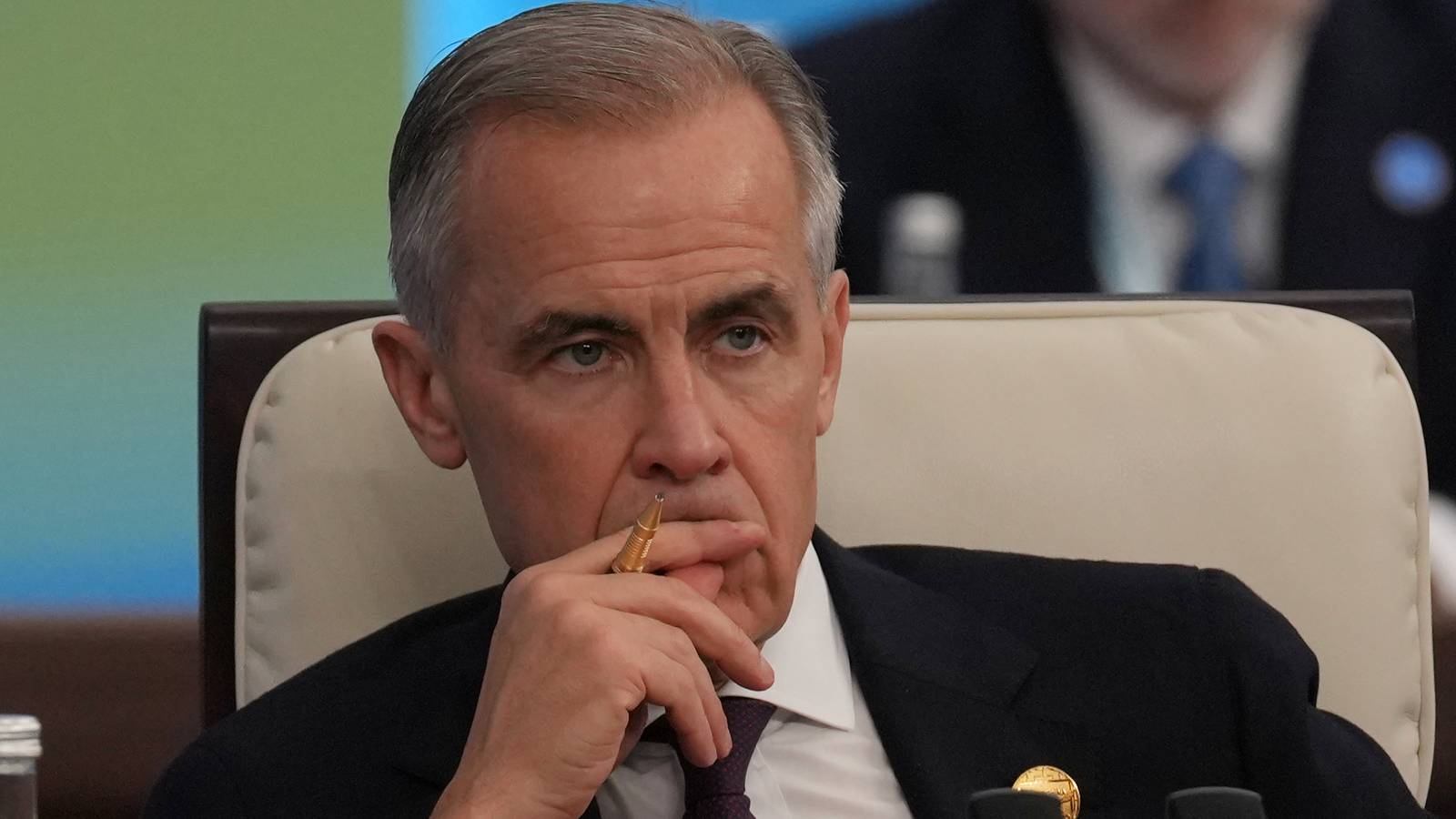
Canadian Prime Minister Mark Carney pushed back Wednesday against sharp criticism from the Pentagon, defending Canada’s military contributions and insisting that President Donald Trump himself has never raised these concerns directly with him.
“The commander in chief of the U.S. military is the president of the United States. And I can assure (you) that in my discussions with the president of the United States we’re focused on conflict resolution around the world and he has not raised issues such as has been reported recently,”
Carney said.
What the Pentagon Said
The dispute was sparked earlier this week when the Pentagon released an unusually harsh public statement — a blunt fact sheet that accused Canada of falling short as a credible defense partner and relying on American taxpayers to foot its security bill for decades. The document, aired by the Pentagon on Monday, said Canada lacks a fully costed plan to meet NATO’s spending targets.
“Canada’s defense shortfalls speak for themselves,” the Pentagon said. “Canada must get serious and focused.”
The statement said Defense Secretary Pete Hegseth was “laser focused” on pushing Canada to modernize its military. That kind of direct public pressure from the U.S. on a close ally is rare — and it has economic implications that go beyond tanks and fighter jets. When defense agreements between neighboring countries are strained, it can complicate trade deals, cross-border investment, and the jobs tied to joint manufacturing programs.
Canada’s Response
Canadian officials were quick to push back. Carney pointed to Canada’s military deployment in Latvia and cooperation with the U.S. and European allies across the Arctic and Europe as evidence his country is contributing its share.
“Canada is taking responsibility for our defense. We’re at the front lines of NATO’s defense,”
he said, also citing higher pay for Canadian service members as part of what he called historic military investments.
Canadian Defense Minister David McGuinty was more direct. He reminded reporters on Tuesday that
“Canada is a sovereign nation”
and that it doesn’t report to Washington. He also insisted that Canada remained on track to meet NATO’s pledge to spend 5% of gross domestic product on defense and related security by 2035, though allies had agreed to review the plan in 2029.
Stephen Fuhr, Canada’s secretary of state for defense procurement, admitted there have been shortcomings but said progress is being made.
“Our readiness has been not where we want it to be, and we all acknowledge that, but we’re making great progress and changing it,”
he said Wednesday.
The Fighter Jet Dispute — and What It Means for Jobs
One concrete flashpoint in this dispute has direct implications for American workers: Canada’s purchase of 88 U.S.-made F-35 fighter jets. Carney ordered a review of that deal after Trump imposed tariffs on Canadian goods and made comments about making Canada the 51st state. Canada has since explored buying Swedish-made Gripen fighters instead — a move that could bring manufacturing jobs to Canada but would cost American defense contractors and the workers they employ.
The Pentagon warned that switching away from F-35s could worsen personnel shortages and create complications for NORAD, the joint U.S.-Canada aerospace defense system the two countries operate together.
Canada reached NATO’s previous 2% GDP spending target, and its latest budget projects combined defense and security spending of 4.1% of GDP by 2027-28, including 2.6% for core defense spending. Canada’s own parliamentary budget watchdog has raised doubts about how the country will reach the full 5% target, however.
Not everyone in the alliance shares Washington’s critical view. In February, NATO Secretary-General Mark Rutte praised Canada directly.
“Canada is back in NATO, on the 2%, leading the charge when it comes to the support for Ukraine,”
Rutte said.
For American families, the stakes in this debate are more grounded than they might appear. Defense contracts support hundreds of thousands of U.S. jobs. Trade relationships with Canada — one of America’s largest trading partners — affect prices on everything from groceries to gas. How Washington and Ottawa navigate this friction will have real consequences, not just for diplomats and generals, but for ordinary people on both sides of the border. For the latest updates, visit our Military Daily News section.












Comments are closed.