
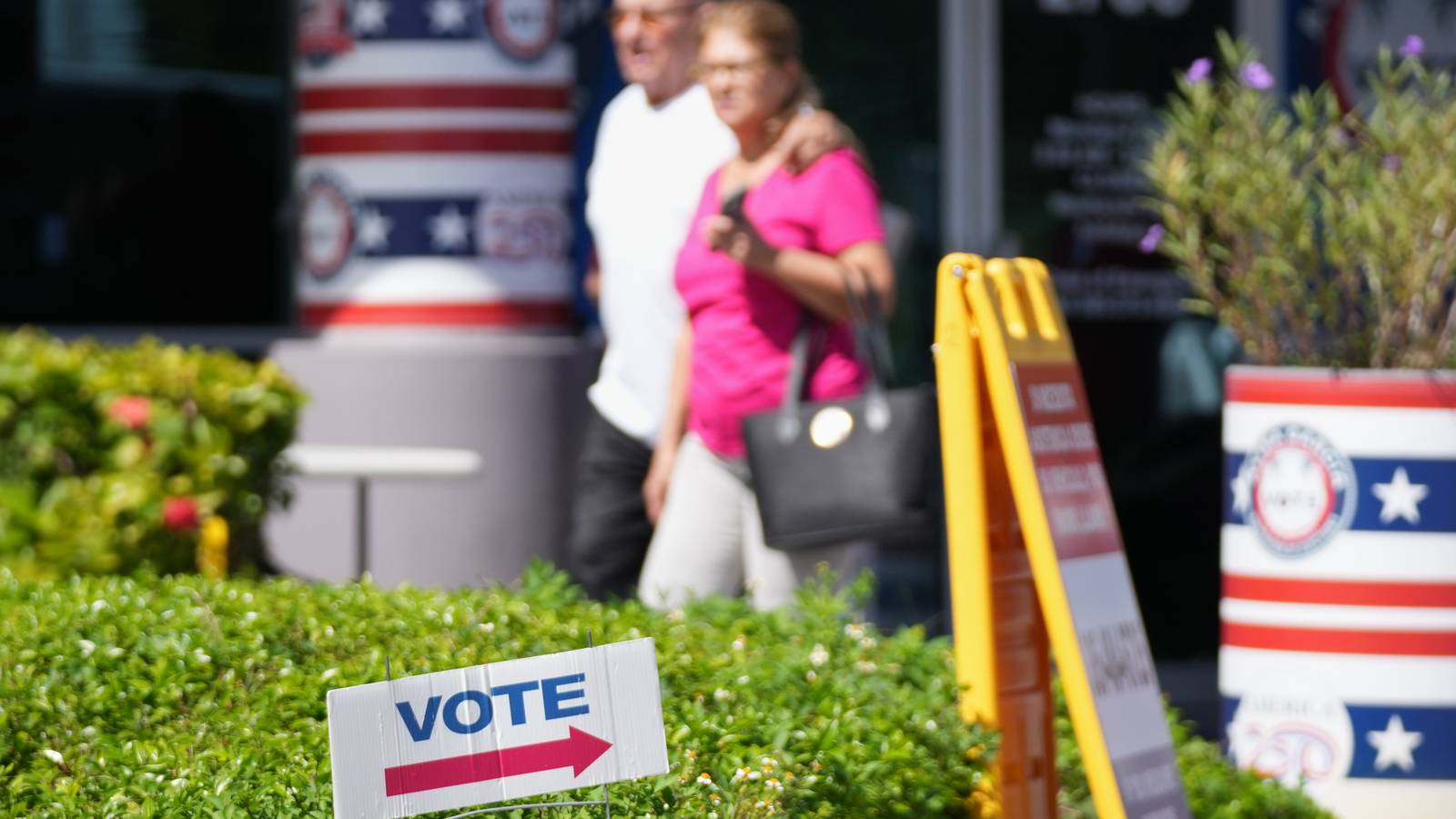
With midterm elections days away, questions about voter safety and election security are front and center for millions of Americans. One veterans’ organization is answering those concerns with boots on the ground — training nearly 500 veterans to protect voters and uphold the integrity of the democratic process.
The progressive group Common Defense has held more than 16 “election protection sessions” across the country ahead of the November midterm elections. The organization is deploying veterans through what it calls a Quick Reaction Force (QRF) — a network designed to provide real-time, on-the-ground support on and after Election Day, with a focus on guarding against potential voter intimidation at polling places.
Perry O’Brien, a U.S. Army veteran and co-founder and campaigns director at Common Defense, explained the motivation clearly:
“As veterans, we swore an oath to defend the Constitution and protect our democracy from all threats. That oath didn’t expire when we took off the uniform.”
O’Brien continued:
“Today, we’re answering that call by standing up for every American’s freedom to vote without fear or intimidation. Through our Quick Reaction Force (QRF), we’ve trained veterans across the country to recognize threats to voters’ rights, respond calmly and lawfully, and help ensure that the will of the people is respected.”
Why Election Security Is in the Spotlight
The backdrop to these efforts is a heightened national conversation about election security. Concerns have been fueled in part by ongoing rhetoric around election fraud stretching back to the 2020 presidential election, as well as the current administration’s “Unlawful Voter Initiative,” which has included federal officials conducting door-to-door checks related to voter rolls.
The Department of Justice has announced it will deploy 1,000 election monitors nationwide. Attorney General Todd Blanche recently referenced a “doomsday scenario” that could lead to legal action, while also stating that the DOJ has no intention
“to improperly interfere with elections or the state confirmation process or certification process.”
Meanwhile, the nation’s top military commander has confirmed there are no plans to send troops to polling locations. That position is backed by law — federal law prohibits the deployment of armed federal forces to election sites unless it is “necessary to repel armed enemies of the United States.”
Veterans Showing Up for Voters
Common Defense is not acting alone. In September, a coalition that included the Save America Movement, Reverend Al Sharpton’s National Action Network, and the American Federation of Teachers announced plans to send clergy members, veterans, and community leaders to polling places in key swing states — including Georgia, Michigan, North Carolina, and Ohio.
Naveed Shah, a U.S. Army veteran and political director at Common Defense, drew on his overseas experience to explain why this work matters at home:
“Having supported election protection efforts overseas, I’ve seen firsthand how much trust in the electoral process matters to a functioning democracy.”
Shah added:
“That’s why we’re mobilizing veterans to support nonpartisan election protection efforts, helping ensure every eligible voter can make their voice heard. We served our country to defend these freedoms, and we’re proud to keep that commitment alive by protecting voters’ ability to have their say at the ballot box.”
Veterans’ civic engagement extends well beyond poll watching this cycle. Many veterans are also running for local, state, and federal office in 2026 at levels that some groups and pollsters say they have never seen before. According to the veterans’ advocacy group With Honor, 752 veterans have registered to run for U.S. House and Senate seats this year — the highest number the organization has recorded since it began tracking the data in 2018.
For many of these veterans, the commitment to democratic participation did not end when they left active duty. Whether standing watch at polling places or running for office themselves, they are making clear that protecting Americans’ right to vote is a mission they take seriously.





Comments are closed.