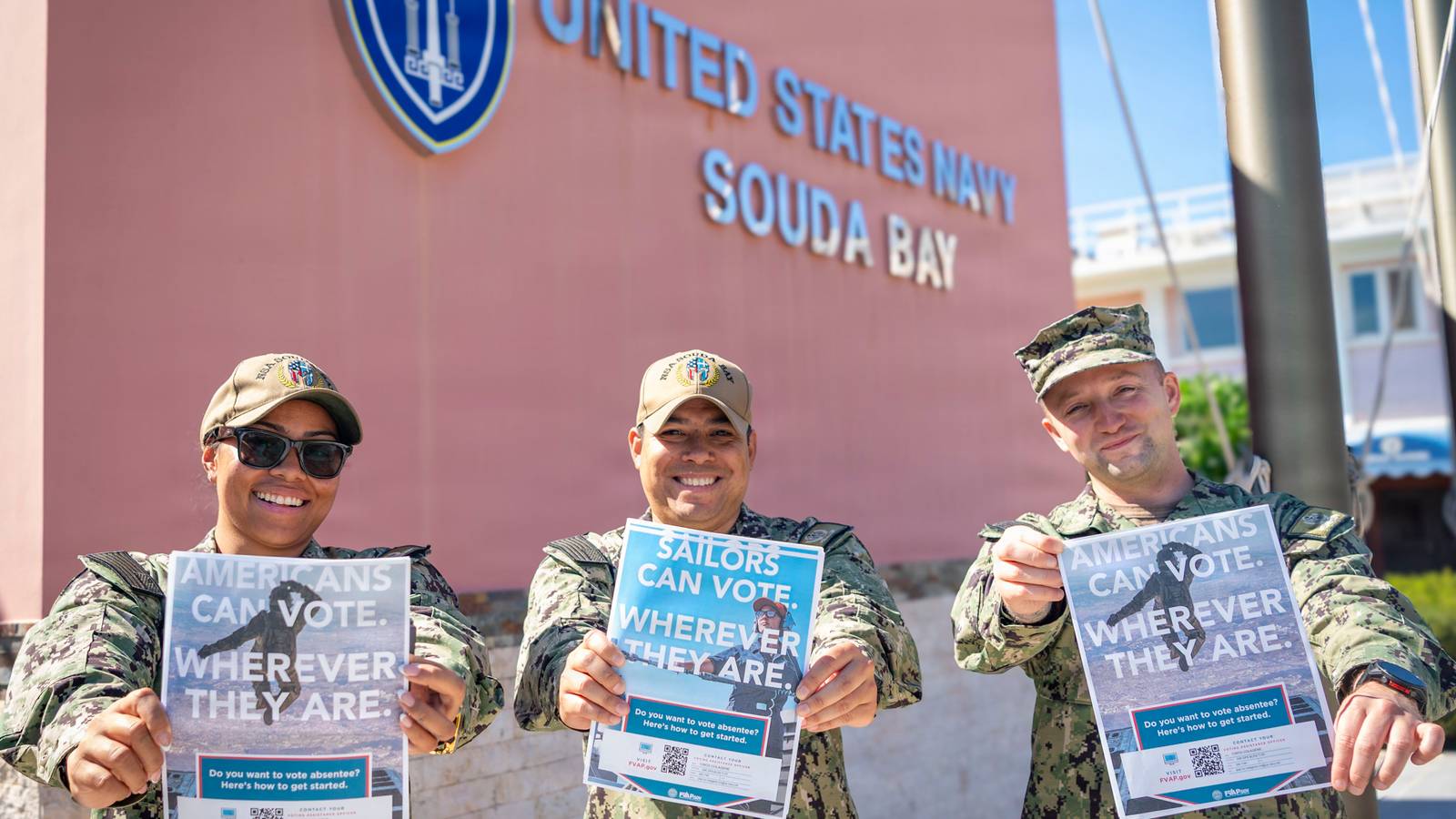
For hundreds of thousands of active-duty service members, military families, and Americans living abroad, casting a ballot in the November 3 election isn’t as simple as walking to a polling place down the street. The systems designed to help them vote are still available — but time is running short, and knowing exactly what steps to take could mean the difference between a vote that counts and one that doesn’t.
With Election Day on Tuesday, Nov. 3, the Federal Voting Assistance Program’s 2026-27 Voting Assistance Guide remains the most critical resource for service members and eligible voters navigating the process from overseas or remote stateside posts. The guide covers active-duty Uniformed Services members, Merchant Mariners, Public Health Service and NOAA members, their eligible family members, and U.S. citizens living outside the country.
The Mailing Windows Have Closed — But Options Remain
The Federal Voting Assistance Program (FVAP) set recommended mailing deadlines well in advance of Election Day: 35 days out for those at sea or overseas without military postal access, 30 days out for overseas military installations with military postal access, and 11 days out for stateside service members and eligible family members. Those windows have all passed.
That does not mean the door is shut entirely. Several states accept ballots postmarked as late as Election Day itself, though arrival deadlines vary. In Nevada, a ballot must arrive within four days after the election. In California, voters have until the seventh day after Election Day for their ballot to be received and counted. Every state sets its own rules, which is why confirming your specific state’s requirements is the essential first step before anything else.
A Step-by-Step Path Forward
Check your state’s rules first. FVAP’s state-by-state guide lays out registration requirements, ballot request methods, return options, and deadlines for every state. This is the authoritative resource for understanding exactly what your state accepts and by when.
Find out if your ballot has arrived. Under federal law, election officials are required to send ballots no later than 45 days before an election to registered voters who have requested one. State-specific ballot tracking tools are listed in each state’s section of the FVAP guide, allowing voters to confirm their ballot’s status without guesswork.
Use the backup ballot if yours hasn’t shown up. If you registered but your state ballot has not arrived 30 days before the election, FVAP offers the Federal Write-In Absentee Ballot, or FWAB, available at fvap.gov/FWAB. The FWAB is valid for federal races in all 50 states, and some states also accept it for state and local contests. If both your FWAB and your official state ballot arrive by the deadline, only one ballot will be counted — the system is designed to prevent duplication.
Haven’t registered or requested a ballot yet? Check your state’s deadlines immediately. FVAP’s Federal Post Card Application (FPCA) serves a dual purpose — it registers voters and requests an absentee ballot at the same time. FVAP recommends submitting a new FPCA every January, every time you move, or at least 90 days before an election. Deadlines differ significantly by state, so confirm yours before relying on this option at this stage.
Return your ballot without delay. Once you have your ballot in hand, send it back as quickly as possible. Confirm whether your state requires a secrecy envelope, and check how your state accepts returned ballots. FVAP’s postage-paid return envelope works through the U.S. postal system, including APO and FPO addresses, and can also be routed through diplomatic pouches at U.S. embassies and consulates abroad.
Track your ballot if you’re overseas. Military members voting from overseas can request a Prepaid Mail Label 11-DoD specifically for general election ballots. A portion of the label is retained by the voter and used to track the ballot through the system — an important safeguard for voters who cannot otherwise confirm delivery.
Reach out to a Voting Assistance Officer if you need help. Voting Assistance Officers, Installation Voter Assistance Offices, and U.S. embassies and consulates can all provide paper forms and direct assistance for voters who need it. FVAP can also be contacted directly at 703-588-1584, toll-free at 1-800-438-VOTE, DSN 425-1584, or by email at vote@fvap.gov.
The ability to cast a ballot — and have it counted — is a foundational right for every eligible American citizen, including those serving the country far from home. Understanding the rules, using the available tools, and acting quickly are the factors within voters’ control right now. For more information on voting resources for military members and their families, the FVAP guide remains the definitive starting point.