

Wars are rarely cheap, but the price tag on America’s ongoing conflict with Iran is climbing far faster than officials predicted — and taxpayers are only now getting a glimpse at the full picture. Internal Pentagon data obtained by Reuters reveals the U.S. military has already spent more than $47 billion prosecuting the Iran war, a figure that has quietly ballooned well past earlier government estimates.
That $47 billion total represents a more than 25% increase over the Defense Department’s own projection from just a few months ago. In July, Defense Secretary Pete Hegseth put the cost of the war at $37.5 billion. The Pentagon has not publicly released its updated estimate, and did not immediately respond to a request for comment from Reuters.
Where the Money Is Going
The Pentagon’s latest figures break down across several major categories. Operational costs — everything from flight operations to cyber support — form the core of the spending. On top of that, the military is projecting more than $29 billion just to replace munitions that have already been used in the conflict.
An additional $6 billion or more would be needed to replace lost military equipment and hardware — a category the Pentagon refers to as “platform losses” — which covers aircraft and drones destroyed or damaged during combat operations.
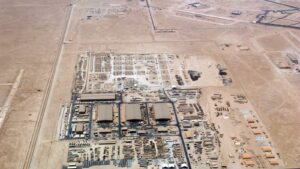
Notably absent from the Pentagon’s cost accounting: the enormous expense expected to repair damage to U.S. military bases that have been struck by Iranian missile and drone attacks. That repair bill, which could prove substantial, was not clearly included in the figures obtained by Reuters.
How the War Unfolded
President Donald Trump launched the war alongside Israel in February, predicting the conflict would be brief. The initial military strategy centered on deploying high-end precision missiles to neutralize Iranian defenses first, with a plan to shift toward cheaper munitions — such as air-launched JDAMs, a type of gravity bomb available in large quantities — once those defenses were degraded.
That strategy was disrupted when an April ceasefire allowed Iran to recover. During the pause in fighting, Iran was able to excavate underground storage sites, restoring access to missiles, drones, and defensive systems that had previously been knocked offline.
Since then, Trump has imposed a naval blockade on Iran aimed at cutting off the country’s oil export revenue. U.S. officials, speaking on condition of anonymity, have told Reuters that the Pentagon has been actively planning to resume heavy combat operations if ordered to do so after the November midterm elections.
Political Pressure Mounts Ahead of Midterms
The financial and political costs of the war are converging at a critical moment. Republicans, who hold a narrow majority in both chambers of Congress, are facing voter backlash over the conflict ahead of the November 3 elections, which will determine which party controls Congress for the next two years.
The war’s ripple effects on global energy prices have weighed on Republican candidates and dragged on President Trump’s approval ratings — adding urgency to questions about when, and whether, the fighting will resume.
With costs already exceeding initial projections by billions of dollars and key expenses still unaccounted for, Americans are left with serious questions about the full financial commitment this conflict represents — and how much higher the final bill may climb.










Comments are closed.