Michigan’s record surge in young voter turnout in 2024 wasn’t an accident — it reflected something deeper about how civic engagement and personal stakes can drive participation in democratic systems. Understanding what motivates young voters, and what barriers can prevent them from showing up, is central to how election officials and communities think about voter access and public trust in democracy.
For Clarissa Mata, a 24-year-old engagement coordinator at a Grand Rapids nonprofit, voting isn’t an abstract civic duty. It’s a right she exercises on behalf of someone who never could. Her story — rooted in immigration, economic hardship, and a father’s lasting influence — offers a window into the real-world forces that shape whether young voters participate in elections or stay home.
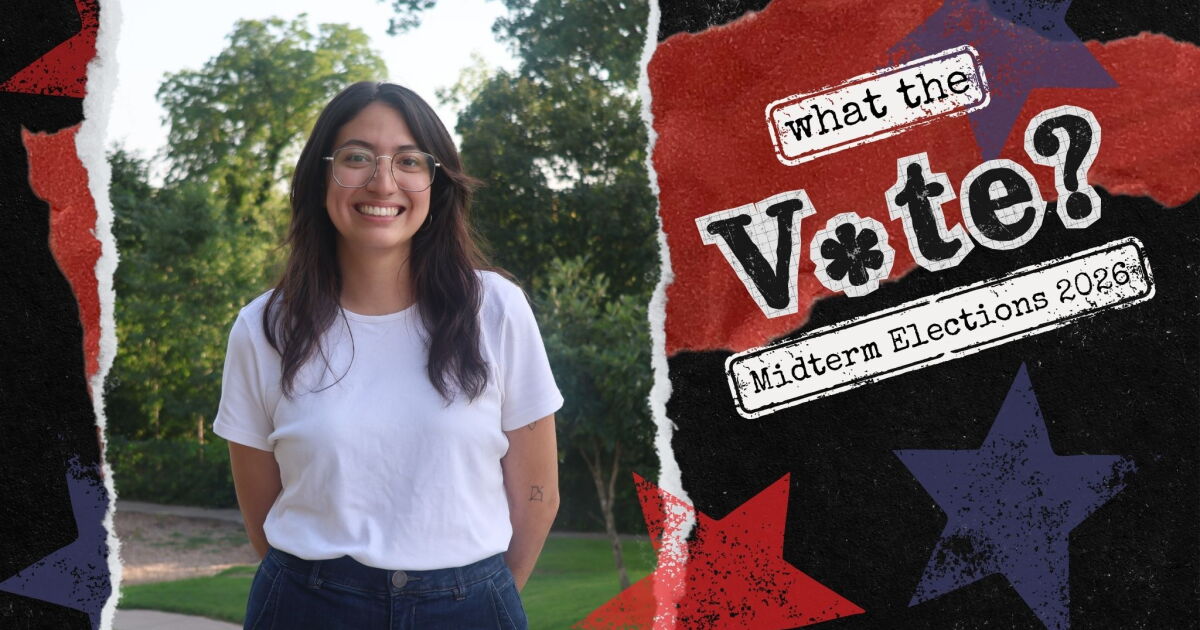
Mata’s experience is part of What the Vote?, a series from Stateside produced by summer interns Isabella Jacob and Mercedes Mejia, exploring what young Michigan voters care about heading into this election cycle.
A Vote Exercised for Someone Who Never Had One
Under U.S. law, only citizens may vote in federal elections. Non-citizens — regardless of how long they’ve lived and worked in the country, or how deeply invested they are in its future — have no legal right to cast a ballot. That legal reality is the backdrop to Mata’s story.
Her father, an immigrant, was deported five years ago and died in Mexico two years later. He never had the ability to vote in the United States. But he made sure his daughter understood why that right mattered.
“Five years ago, my dad was deported. And then two years ago, he died in Mexico. And I have always really believed that the greatest power we have is to be able to vote. And from a young age, my dad just instilled a passion for politics in me. I remember watching the 2008 presidential election with him.”
For Mata, casting a ballot isn’t only about her own priorities — it’s an act of representation for a parent who was permanently excluded from the democratic process. As the daughter of immigrants who grew up watching her father engage with politics he could never formally participate in, she views her vote as both a personal responsibility and a civic one.
“So because of him, I’ve always been interested in politics. But especially since his passing, I really feel like my vote is a way for his voice to be heard. And he never had the opportunity. He never had that ability to vote. And so I really do take it as my responsibility to make sure that his voice is heard through my vote.”
Economic Hardship and the Barriers Facing Young Voters
Voter participation isn’t shaped only by legal eligibility — it’s also shaped by whether people feel the system reflects their lives and responds to their concerns. Economic stress is one of the clearest factors that can drive young people toward civic engagement or push them toward disillusionment.
Mata points to affordability as a defining issue for her generation. She moved back into her parents’ home after struggling to cover basic expenses on her own, and says many of her peers face the same wall.
“I recently read something that said that this generation has more young people living at home than ever before. And I also read something that said that this generation is coming into the toughest economy than any other generation.”
“I moved back home because I was living paycheck to paycheck when I was not living at home. I just could not afford much outside of my bills. I definitely think that affordability is a really big issue. It’s really difficult for young people these days to make a life for themselves and step into their own adulthood, when things just cost way too much.”
When young voters feel their economic realities are being addressed by candidates and policymakers, engagement tends to follow. When they don’t, disengagement can take hold — a dynamic that directly affects turnout numbers and the composition of the electorate.
What Young Voters Want From Candidates
Mata is direct about what she believes candidates need to do to earn the trust — and the votes — of young people. She argues that hedging and playing to the middle can undercut the credibility that drives turnout among younger, more politically skeptical voters.
“Two things, I think it’s really important for candidates to be bold. I think a lot of times, they want to be more in the middle. And I know why that is, right? Like, strategically, they don’t want to lose, you know, anyone who might be a swing voter. But I also have seen the way that progressive candidates have won in different areas of the country, and it’s because they are so bold in their stance. It’s because the passion is clear.”
Voter engagement among young people — especially in communities with large immigrant populations or significant economic strain — depends in part on whether those communities believe their participation can produce real change. Mata describes voting as the most direct mechanism available to citizens for making that case.
Voting
“is our greatest superpower,”
she said.
“I think it’s the best way to get our voice heard. I think it’s also a really great way to speak on behalf of those who don’t have a voice or who, you know, may not be able to exercise that. Right. So I always say register to vote, go vote, even if it’s in the primary. I think every election is important. And yeah, good things happen when we come together. And so I always just encourage people to go out and get their voice heard.”
Michigan’s record youth turnout in 2024 suggests that when young voters feel personally invested — whether through economic anxiety, family experience, or a sense that their ballot carries weight for those who cannot vote — they show up. Mata’s story is one example of how the principles underlying voter access and democratic participation take on meaning at the individual level, and why continued attention to what drives or discourages civic engagement matters for the integrity and health of the broader election system.