
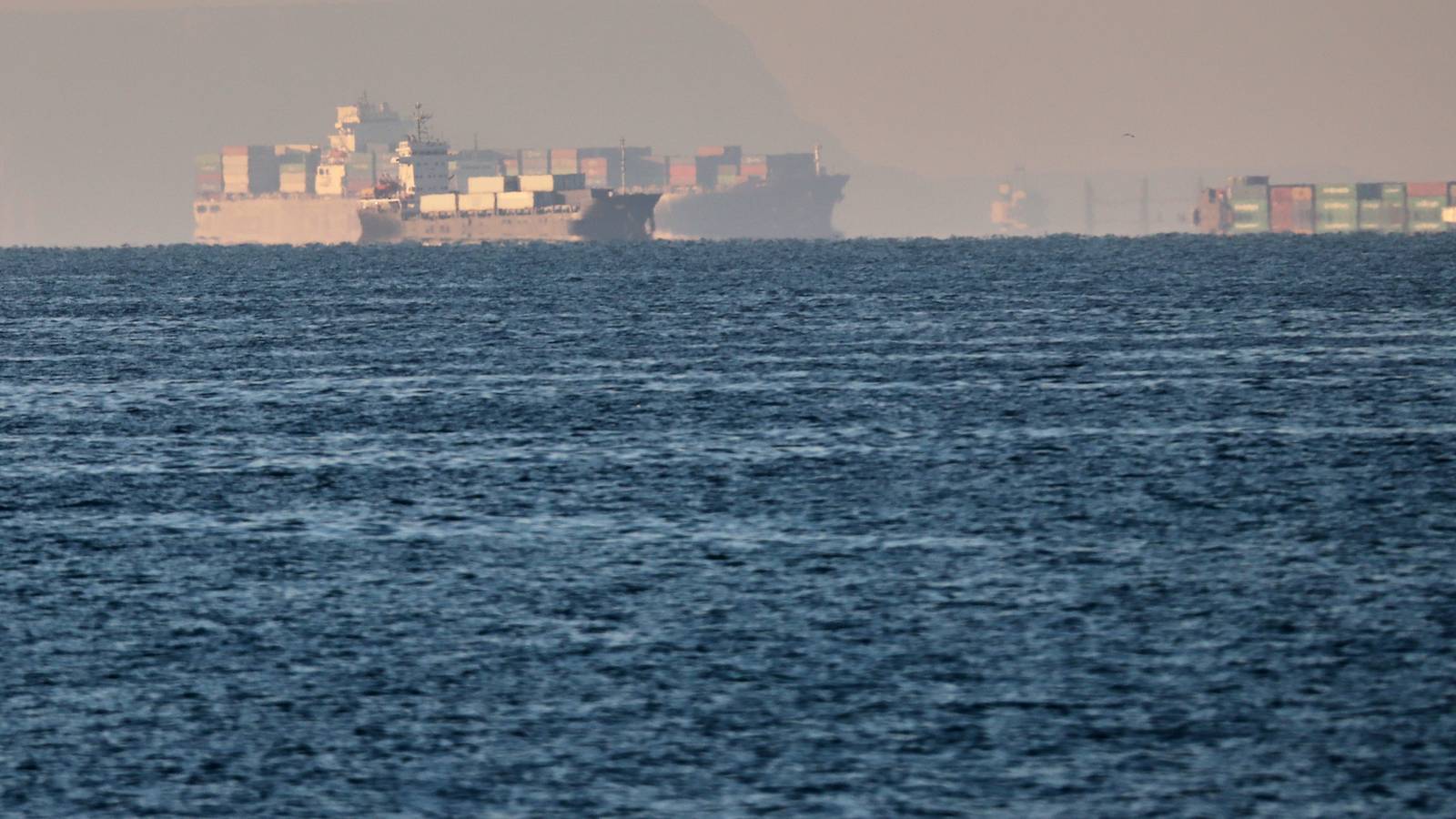
An American military aircraft has fired on and disabled a commercial vessel in the Gulf of Oman that attempted to breach the U.S. blockade of Iranian ports — the latest flashpoint in a conflict with Iran that has dragged on since late February. The incident raises fresh questions about the costs and consequences of an ongoing naval standoff with no clear end in sight, developments that Military Daily News has been tracking closely.
U.S. Central Command confirmed Friday that a military aircraft struck the stern of the Palau-flagged M/V Pacific Archer on Thursday, firing what it called “precision munitions” that knocked out the ship’s engine systems. The crew on board was not harmed. According to CENTCOM, the vessel had departed from Bandar Abbas, Iran, before attempting to slip through the blockade. Ship tracking data shows Singapore listed as its intended destination.
A Blockade That Has Been Running for Months
The United States first imposed its naval blockade on Iranian ports back in April. It was temporarily lifted during diplomatic negotiations with Tehran over the summer, then reinstated in July. In the months since, the U.S. military reports having intercepted and redirected 158 merchant vessels attempting to move goods through Iranian waters. Ships that refuse to comply face the threat of being disabled by force.
The Pacific Archer is now at least the 15th vessel publicly confirmed to have been disabled since the blockade was first put in place, and the sixth since it resumed this summer. The most recent prior incident occurred on November 7.
CENTCOM has maintained that American forces issue multiple warnings before taking any action against a vessel. Even so, the practice came under sharp international scrutiny in June after a strike on a Guinea-Bissau-flagged tanker left three people dead. Indian officials confirmed that three Indian sailors were killed when U.S. forces struck the Palau-flagged M/T Settebello. The head of the International Maritime Organization, a United Nations body, condemned that attack.
Iran Claims Its Own Version of Events
Iran’s Revolutionary Guard offered a separate account on Friday, stating that two tankers had tried to pass through the Strait of Hormuz using what it described as an “unauthorized” route. According to the Guard, one of the tankers struck a naval mine, while the other was turned back. Those claims have not been independently verified. Iran’s state broadcaster also carried a statement from the Revolutionary Guard indicating that the number of oil tankers attempting unauthorized transits through the strait had dropped noticeably in recent days.
Tehran has made clear it intends to continue controlling access to the strategically vital waterway, warning ships that passage requires approval from Iranian authorities.
Energy Flows and Global Trade Feeling the Pressure
The effects on global energy markets are becoming measurable. Oil shipments through the region during the first two weeks of November fell roughly 20%, dropping to around 13 million barrels per day compared with the 15 to 16 million barrels per day recorded in October — a level that had roughly matched prewar exports, according to Rystad Energy. Iranian military activity discouraging tankers from attempting the strait, combined with repeated attacks on a key Saudi pipeline that feeds the Red Sea port of Yanbu, have both contributed to the decline.
The economic ripple effects extend well beyond oil. A report from U.N. Trade and Development found that simultaneous disruptions in the Strait of Hormuz, the Red Sea, the Black Sea, and the Panama Canal are adding significant costs to international shipping — lengthening routes, burning more fuel, creating port backlogs, and deepening logistical uncertainty. While alternative supply routes and transport arrangements have kept goods moving, they have done so at a higher price.
A War Trump Has Struggled to Define
The backdrop to all of this is a conflict the Trump administration has had difficulty characterizing. President Trump has shifted between positions — at times threatening new large-scale strikes on Iran, while at other moments insisting that the war “militarily is effectively over.”
The U.S. has kept a substantial naval presence in the area throughout, with two aircraft carriers and a fleet of supporting vessels operating in the region at any given time.
The diplomatic picture is equally complicated. Officials in the region told The Associated Press in early November that Israeli Prime Minister Benjamin Netanyahu had been pushing Washington to either restart direct military action against Iran or greenlight Israeli airstrikes on Iran’s nuclear sites and missile infrastructure. At the same time, government and security officials from Gulf nations, along with Pakistan and Turkey, have been making calls to senior U.S. officials in an effort to prevent the conflict from escalating further.






Comments are closed.