
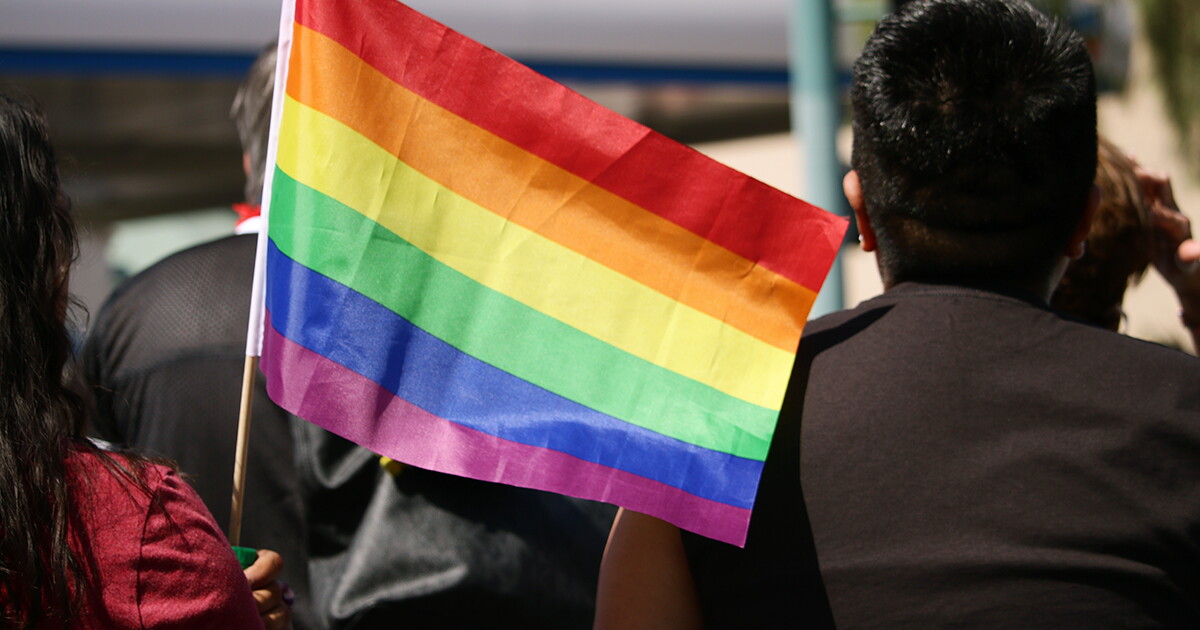
Phoenix celebrates Pride in October rather than June — a practical concession to brutal desert heat — but the questions surrounding LGBTQ+ rights and representation are just as pressing here as anywhere else in the country. As this year’s festivities wrap up, one veteran advocate is taking stock of how far the movement has come and where the most urgent battles remain.
Neil Giuliano has had a front-row seat to decades of change. The current president and CEO of Greater Phoenix Leadership, Giuliano previously served as mayor of Tempe and held leadership positions at the San Francisco AIDS Foundation and the Gay and Lesbian Alliance Against Defamation. In a recent conversation on The Show with host Mark Brodie, Giuliano offered a candid assessment of where LGBTQ+ advocacy stands today — and what still needs to happen.
A Cultural Shift Drove Legal Progress
Giuliano argues that the legal and political wins of the past few decades didn’t happen in a vacuum. They followed the culture.
“The culture shift is what has led to the advancements for the LGBTQ community. We have seen the culture shift over the last 20 to 30 years in a number of ways. People have come out more, major employers and corporations started providing domestic partnership benefits, government entities started providing civil unions, and all of that took place in a relatively short period of time over 20 to 25 years, which brings us to the point … we are at today. So the culture shift is what has brought about the most significant changes.”
He points to the rise of social media in the mid-2000s as a key accelerant. As platforms emerged around 2005 and 2006, LGBTQ+ people found community and connection online — and mainstream media followed.
“Fair, accurate, inclusive representations of LGBTQ people in the media just exploded when social media exploded. And quite honestly, society and our friends and neighbors followed suit. And the overwhelming response was why were we so upset about all these issues for so long? The LGBTQ people, our neighbors, our friends, the people we sit next to at church, we work with them. And so that all led to the rapid ascent for greater LGBTQ equality, not that we have achieved it fully, but certainly much greater.”
A “Holding Pattern” — With Threats on the Horizon
Despite the progress, Giuliano describes the current moment as one of fragile stability. Rights that were hard-won are now being contested at multiple levels of government.
“I think we are kind of in a holding pattern. I do not see a lot of our advancements and things that have been granted rapidly being taken away, but they are under siege. And they are being talked about as things that should be taken away by people with a lot of power in government at all levels.”
He notes that transgender Americans are bearing the heaviest weight of that pressure right now. As the least visible and smallest segment of the LGBTQ+ population, they face the most concentrated attacks.
“Our transgender brothers and sisters are the people who are least known, least visible, and make up the least amount of the population within the LGBTQ community. And so they are the most marginalized members of the community right now.”
When asked whether the transgender community’s current situation mirrors what lesbian and gay Americans faced decades ago, Giuliano didn’t hedge. He said the comparison holds — but goes back further than many might assume.
“I would say it is two or three decades ago, because there simply is not the same level of visibility of transgender people in the community. Despite the ongoing attacks coming from more right-wing focused people in politics, they are just not as visible. So yes, it is like where the lesbian and gay community was, I would say, in the early to mid-1980s and early-1990s.”
Social Media: A Double-Edged Tool
The same platforms that helped build LGBTQ+ visibility have also become vehicles for disinformation and hate. Giuliano acknowledges the tension directly.
“For all of the positive aspects of being connected and sharing information and understanding and hearing people’s stories, you have others who are using social media to tear people down, to make false accusations, false representations, disinformation, misinformation about the LGBTQ community more than ever as well.”
Still, he believes the years of cultural groundwork provide some insulation against the worst of it.
“That just does not go as far because our friends and neighbors are a lot more educated about who the LGBTQ community members are and there is nothing to fear, unlike what many people wanted to make us out to be people to be afraid of. But yes, there are both sides to the social media coin.”
The Fight Ahead: Courts, Ballots, and Community
Giuliano sees the road to full equality as a three-front effort. Legal cases in the courts, ballot-box decisions shaped by voters, and an ongoing cultural education campaign all have to work together.
“There are the very legal battles that must be fought and won in courts of law over time. There are the political battles that literally are on the ballot every time we are voting, and you research what folks running for office may think about equality for LGBTQ people. So that’s constant. And then there is the ongoing cultural and human nature challenges of educating people and helping people understand what the LGBTQ community faces while we don’t have yet full equality.”
When asked what matters most for advocacy right now, his answer was straightforward: allies.
“Strengthening relationships with allies. Bottom line. The LGBTQ community will never be the majority population. We will not be even close to the majority part of the population. We need our allies, our friends, our neighbors, our family members, our coworkers to stand with us, and for those issues related to the LGBTQ community to rise on their level of importance so it does become a filter for them when they are choosing politicians.”
Arizona Lags Behind the National Curve
On the question of where Arizona stands relative to the rest of the country, Giuliano is honest about the state’s limitations — even as he credits the strength of its local LGBTQ+ community.
“I think we are lagging, to be honest. We are lagging because we do not have the same urban core of folks, we do not have the same representation of folks in a variety of fields all in one place where they can learn and congregate and get to know these issues closely. I would put us in the middle of the pack of states. We have a vibrant community, we have a strong community, we have wonderful people working in this space, and we stay vigilant and we stay focused.”
For more on social justice issues in Arizona, including reporting on the Maricopa County Sheriff’s Office and federal oversight, the Phoenix Police Department’s culture, a significant Arizona Supreme Court ruling on clergy-penitent privilege, and programs helping incarcerated women reenter society, visit KJZZ News. You can also follow ongoing coverage of the MCSO oversight dispute and connect with KJZZ on YouTube, Bluesky, and LinkedIn. KJZZ is a service of Rio Salado College and the Maricopa Community Colleges. You can support their journalism by visiting Friends of Public Radio Arizona or tuning in via the live audio stream.


Comments are closed.