
When a major hurricane tears through a region, the danger doesn’t end when the winds die down — especially for the millions of families whose health and survival depend on an uninterrupted supply of electricity, medication, and access to medical care. Hurricane Isaias, the first hurricane of the 2026 Atlantic season, made landfall near Destin, Florida, on Friday night as a Category 2 storm, and while it has since weakened to a post-tropical cyclone, the dangers it poses to families across the Southeast — particularly those with serious medical needs — are far from over.
Nearly 900,000 customers across Florida, Alabama, and Georgia lost power in the storm’s wake, according to PowerOutage.us. Florida alone accounted for more than 436,000 outages, with Alabama adding another 314,000 and Georgia nearly 83,000. For most families, a power outage means spoiled food and darkened rooms. But for the tens of thousands of Southerners who rely on electrically powered medical equipment — ventilators, home oxygen concentrators, infusion pumps, electric wheelchairs — it can become a life-threatening emergency within hours.
When the Power Goes Out, Medical Needs Don’t Stop
The health consequences of widespread outages like these are severe and immediate. People dependent on home dialysis machines cannot complete their treatments when the power goes out — a missed session can lead to dangerous fluid and toxin buildup, requiring emergency hospitalization. The roughly 8 million Americans who use home oxygen therapy face acute danger when their concentrators stop working. And for the estimated 8.4 million Americans who use insulin — a medication that loses effectiveness when exposed to temperatures above 77°F for extended periods — even a 12 to 24-hour loss of refrigeration can render insulin unusable, with potentially life-threatening consequences for diabetics managing their disease at home.
Tim Mowry, a Pensacola resident who rode out the storm from his home, described the wind as so intense it sounded like a train whistle passing through a crack in his patio door. He lost power around 4:30 p.m. but could rely on a generator. Not every family is so fortunate — generators cost hundreds to thousands of dollars, require fuel that may not be available during a disaster, and are often financially out of reach for lower-income households.
“As far as Pensacola-wise, we really got fortunate,” Mowry added.
For families without that safety net, a sustained outage stretching into days can force impossible choices: pay for a hotel room with power, find a family member to stay with, or simply go without critical medical equipment and hope for the best.
Rain, Flooding, and a Storm That Isn’t Done Yet
Now a post-tropical cyclone moving northward through Alabama, Isaias is still forecast to deliver dangerous conditions across the Southeast through the weekend before dissipating Sunday. The National Hurricane Center warned that up to 8 inches of rainfall is expected across southern Alabama, the Florida Panhandle, and southwest Georgia, with localized totals possibly reaching 15 inches. Much of the rest of the Southeast could see up to 5 inches, with isolated amounts up to 10 inches possible across the Southern Appalachians and coastal Carolinas.
“Flash, urban and river flooding is possible across the region,” the National Hurricane Center said. Tornado risks are also expected to persist through Saturday afternoon across parts of the eastern Florida Panhandle, Georgia, and the Carolinas.
Flooded roads and downed power lines have already shuttered all roadways in Houston County, Alabama, where local officials warned of major outages and active flash flood conditions. In Destin and Pensacola, roads were flooded and police urged residents to stay off streets due to debris. Some Florida Panhandle counties temporarily suspended emergency response altogether due to unsafe conditions — meaning that for a window of time, anyone experiencing a medical crisis could not count on an ambulance arriving.
That reality — that emergency services can be suspended precisely when medical emergencies are most likely to occur — underscores what health advocates have long pointed out: disaster preparedness is a healthcare issue, not just a weather issue.
Federal Disaster Declarations and What They Mean for Medical Costs
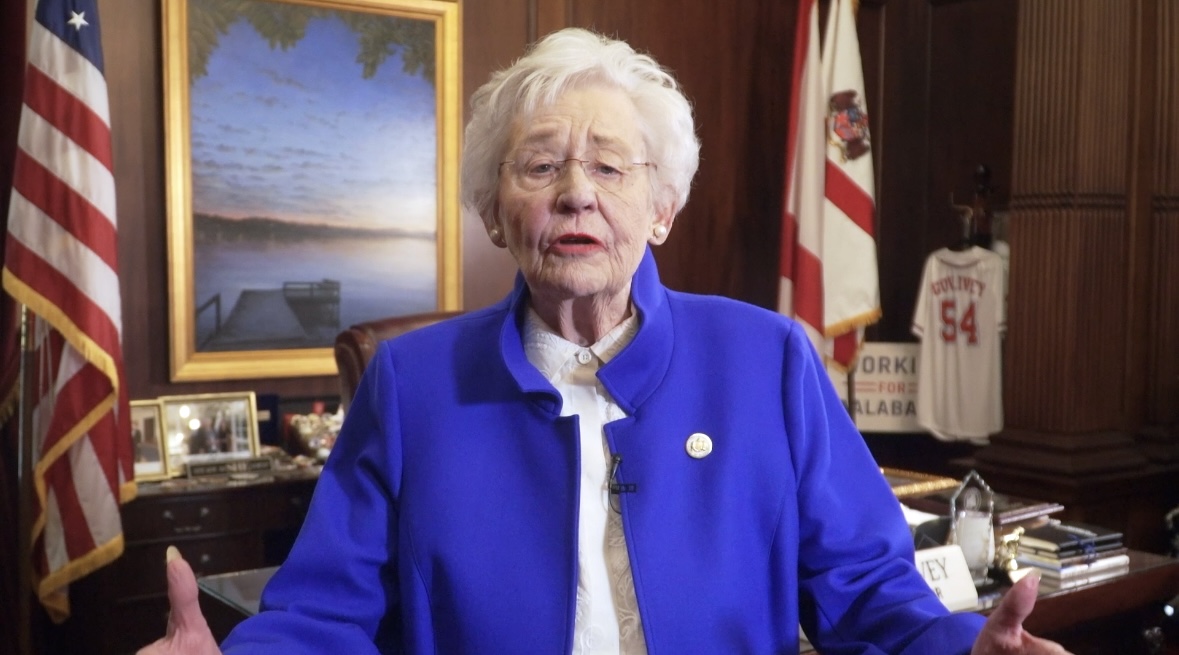
The Trump administration approved federal emergency declarations for both Florida and Alabama on Friday night, which opens the door for FEMA to offer federal disaster assistance to supplement state and local response efforts. Georgia Gov. Brian Kemp also declared a state of emergency. In Florida, Gov. Ron DeSantis had already declared emergencies for more than two dozen counties ahead of landfall. Alabama Gov. Kay Ivey, who urged tourists and visitors to leave coastal areas immediately, issued a state of emergency for 40 counties.
“This emergency declaration will help cut tape for our federal partners to aid in any response. We will continue to stay engaged with the Trump Administration and other partners as we brace for this storm. Fellow Alabamians, y’all stay weather aware,” Ivey said in a statement.
DHS Secretary Markwayne Mullin added that
“(The Department of Homeland Security) and FEMA stand ready to support DeSantis and Ivey as they lead efforts to protect lives and communities.”
But for families navigating the aftermath, the question is whether that assistance will extend to the medical costs that disasters generate — emergency room visits for storm-related injuries, replacement costs for lost medications, or hospitalizations triggered by untreated chronic conditions. FEMA’s Individual Assistance program can cover some medical and dental expenses, but coverage is limited and requires a formal application process that many storm survivors — especially elderly residents or those without internet access — may struggle to navigate.
Evacuation Disrupts Care, Prescriptions, and Specialist Access
Tens of thousands of people evacuated the northern Gulf Coast ahead of Isaias. In Orange Beach, Alabama — normally buzzing with weekend tourists — streets and beaches were empty Friday as residents fled. Christi Woods, who manages a wine store there and chose to remain, described the uncertainty that many coastal residents feel in the face of a major storm.
“We do take precautions, I mean, we’re kind of in the flood zone,” Woods said.
For people managing chronic conditions, evacuation itself carries health risks. Leaving quickly often means leaving without a full supply of prescription medications — or without the ability to reach a pharmacy once the storm passes. Roads blocked by downed trees, like those Mowry’s son encountered trying to drive just 15 minutes from home, can cut off access to urgent care clinics, pharmacies, and hospitals for days. Specialist appointments get missed. Mental health therapy sessions are canceled. Prenatal checkups for expectant mothers go unattended. These disruptions may seem temporary, but gaps in care for people managing serious conditions can lead to complications that cost far more — in both health and money — down the line.
Florida Gov. Ron DeSantis tried to convey the severity of what residents were facing before landfall.
“Folks who are in the path of this storm should know, this is not a random tropical system,” DeSantis said in a news conference Friday. “It’s a major hurricane. And it’s going to potentially do a lot of damage.”
Meanwhile, Hurricane Milton remains the last comparable storm to hit the eastern U.S. before Isaias — tearing through Florida’s Gulf Coast in 2024. Communities in its path are still rebuilding two years later, a reminder that the financial and medical aftershocks of major storms can stretch far beyond the days immediately following landfall. For uninsured or underinsured families, disaster-related medical costs can spiral into debt that takes years to recover from — if they recover at all.
As Isaias pushes northward and rain totals continue to climb, health officials and emergency managers are urging residents in affected areas to stay off roads, check on neighbors who may rely on medical equipment, contact local emergency management if they need assistance with power-dependent medical needs, and seek care early rather than waiting if they believe the storm has worsened a medical condition. For the hundreds of thousands still without power across the Gulf Coast and beyond, the health risks of this storm are not just from wind and water — they’re from the fragile infrastructure that everyday medical care depends on.




Comments are closed.