
A major drug cartel figure was captured in Mexico over the weekend — and American surveillance technology played a key role in making it happen. The operation is drawing fresh attention to how the U.S. and Mexico are quietly deepening their security cooperation, even as tensions over sovereignty continue to simmer.
Mexican security officials confirmed Monday that the United States flew a surveillance drone over Mexican territory to help track and capture a top drug lord in the northern state of Sinaloa. The target was Fausto Isidro Meza Flores, known as “El Chapo Isidro” — a name that had long appeared on the FBI’s most wanted list.
Mexican Defense Secretary Gen. Ricardo Trevilla Trejo described the arrest as the result of
“very important intelligence sharing”
between the two countries over the past three months. That collaboration included, in the final week before the arrest, permission for U.S. drones to fly over Mexican airspace to pinpoint Meza Flores’ location in the city of Guasave. Mexican officials were clear that the drone mission was carried out in compliance with Mexican law.
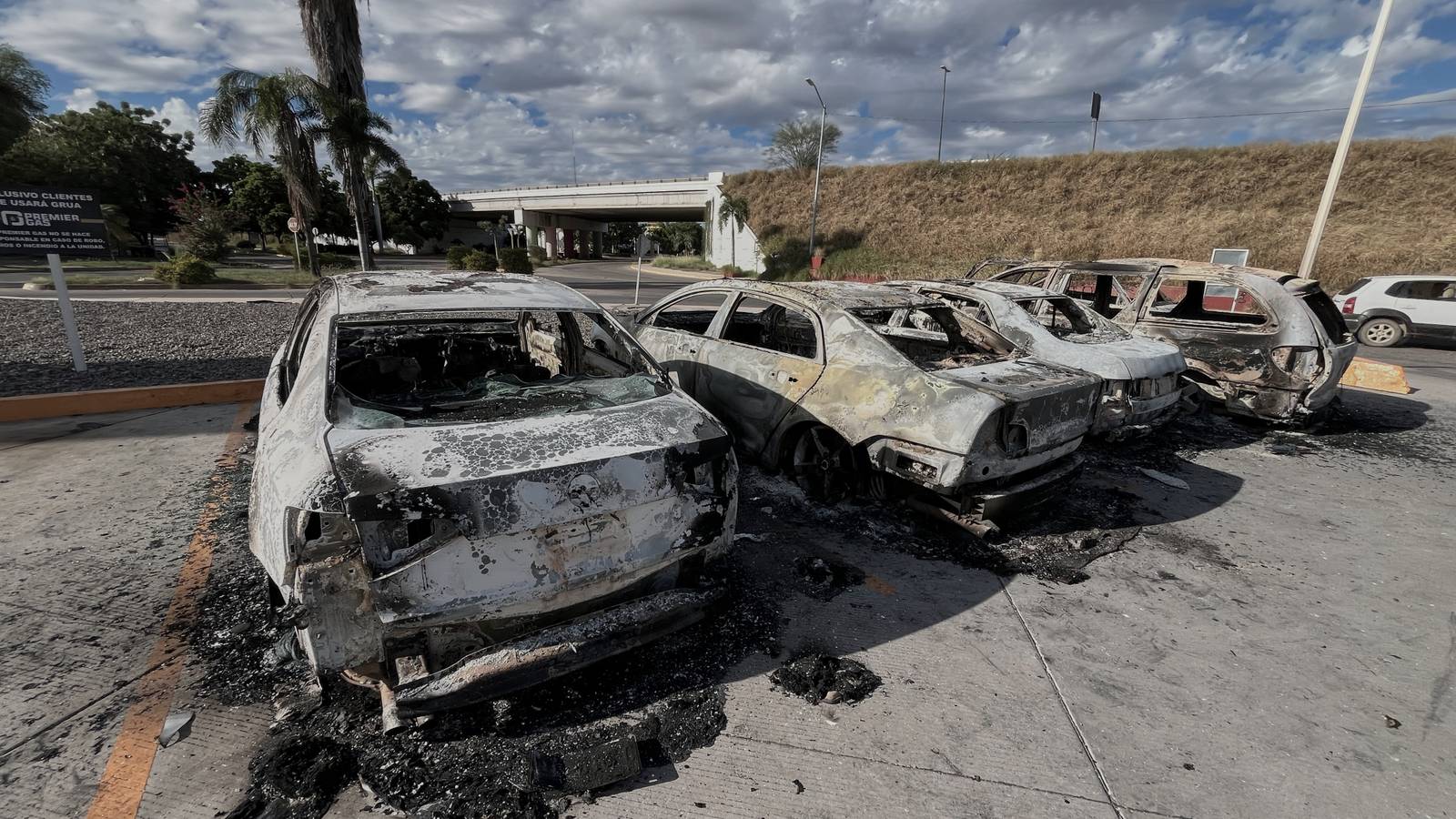
The arrest didn’t come without a cost. The weekend detention triggered an outbreak of violence in Guasave that left 20 people dead — four soldiers and 16 suspected criminals, according to Mexican officials. Burned cars and clashes marked the aftermath of the operation as cartel loyalists responded to the loss of their leader.
A Complicated Partnership
U.S. involvement in Mexican security operations has long been a politically sensitive issue. Mexico fiercely guards its national sovereignty, and Mexican President Claudia Sheinbaum was careful on Monday to draw a clear line: American forces were not on the ground. Only intelligence was shared.
“This case in particular demonstrates the capacity of the armed forces”
of Mexico to make major detentions, Sheinbaum said.
Her comments come amid ongoing pressure from U.S. President Donald Trump, who has pushed Mexico to take stronger action against cartels. The Trump administration has also been working to line up allies across Latin America to allow them to operate in their territories — with varying degrees of success across the region.
Who Was El Chapo Isidro?
Meza Flores was no ordinary cartel figure. He led the Beltran Leyva organization before eventually building his own criminal enterprise, the Meza Flores Transnational Criminal Organization. He also served as a key ally to a Sinaloa Cartel faction known as “Los Mayos,” which has been locked in a brutal territorial war against a rival faction within the same state.
Authorities noted that the U.S. already had an outstanding extradition request for Meza Flores on drug trafficking charges, leaving open the possibility that he could eventually be transferred to the United States to face justice in an American court.
Part of a Broader Crackdown
The arrest fits into a pattern of high-profile takedowns that Mexican authorities have executed in recent months. The most dramatic came in February, when Jalisco New Generation Cartel leader Nemesio Oseguera Cervantes, widely known as “El Mencho,” was killed in a targeted operation.
Meza Flores was captured along with 16 members of his criminal group, further amplifying the significance of the operation for both governments.
Still, security experts caution that removing kingpins from the equation doesn’t necessarily weaken a cartel. History across Mexico and Latin America has shown that eliminating a top leader — without dismantling the broader criminal network around them — often triggers violent power struggles between competing factions. That dynamic has played out repeatedly in Sinaloa in recent years, and analysts warn the same pattern could follow this latest arrest.



Comments are closed.