Financial Challenges Loom for U.S. Farmers Amid Trade Disputes and Health Policy Uncertainties
U.S. farmers are grappling with financial hardship as international trade tensions and potential changes to health insurance subsidies create an uncertain future. The trade conflict with China, initiated by tariffs during Donald Trump’s presidency, and the unresolved status of Affordable Care Act (ACA) subsidies are significant contributors to the current economic strain faced by the agricultural community.
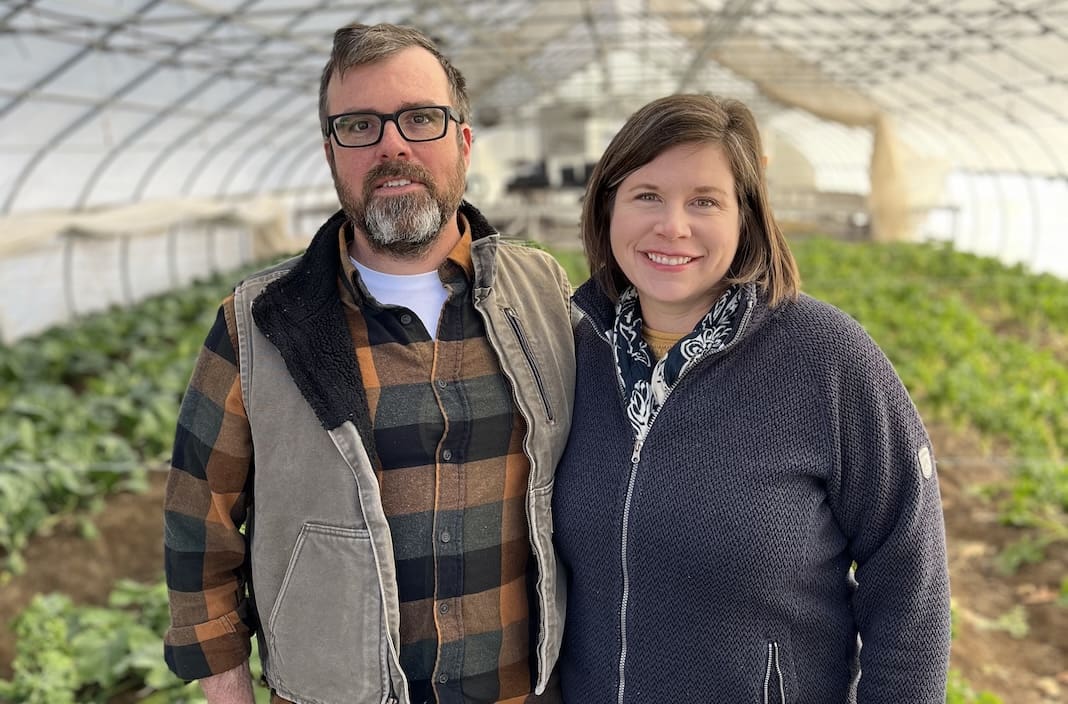
According to a report from KFF, over 25% of American farmers rely on ACA marketplace plans for health insurance. Liz Krug, who co-owns Endless Roots Farm in Waverly, Pennsylvania, with her husband Mike, expressed concern after receiving a letter from Governor Josh Shapiro. The letter warned that insurance premiums could rise by 83% if the ACA tax credits are not extended by Congress.
“We’re pretty concerned,” Krug stated, highlighting the difficult choices they face, including seeking off-farm employment for benefits, which she described as “pretty heartbreaking.”
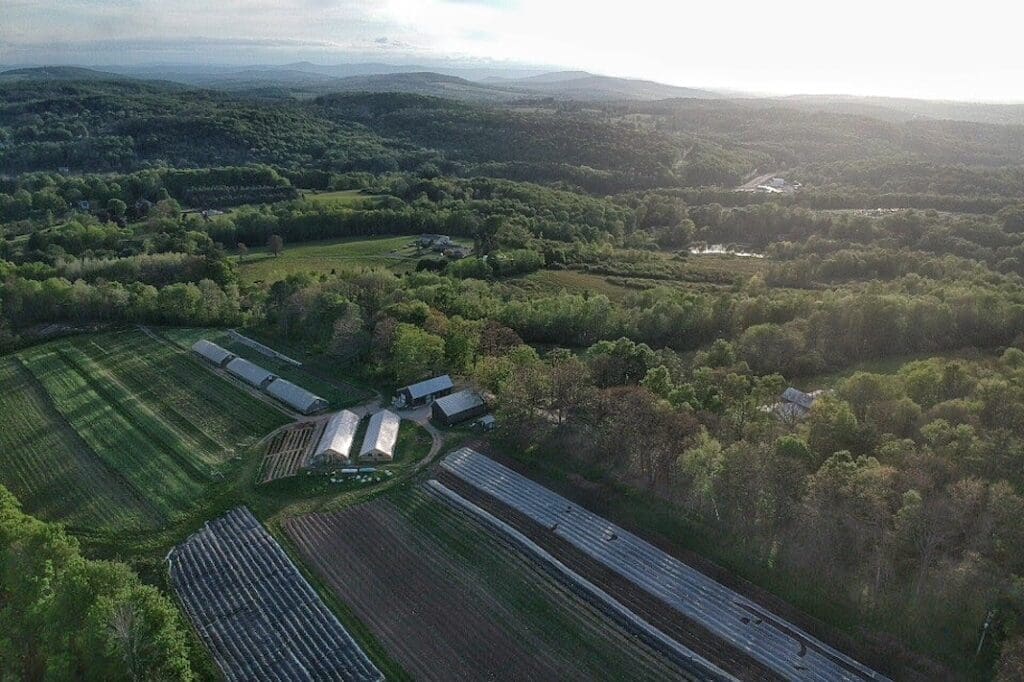
In Pennsylvania, more than 435,000 residents have secured health insurance through Pennie, the state’s ACA marketplace, as reported by Keystone News. The Krugs, first-generation farmers, have dedicated 12 years to their six-acre farm, selling community-supported agriculture boxes and operating an online farmers market.
Trade tensions, particularly affecting soybean farmers, have added to the challenges. Over half of U.S. soybeans were previously exported to China, but retaliatory tariffs have made them less competitive. A New York Times report highlighted that the trade war, which began with Trump’s 2018 tariffs on Chinese goods, resulted in nearly $20 billion in lost soybean sales.
John Boyd Jr., a fourth-generation farmer in Virginia and founder of the National Black Farmers Association, voiced his concerns, stating that the administration’s actions have “completely turned agriculture upside down.” He emphasized the unique role of American agriculture in producing and exporting corn, wheat, and soybeans.
Farm bankruptcies are on the rise, with 361 farms filing for bankruptcy in the first half of 2025, a 13% increase from the previous year, according to Farm Trader. Boyd warned of the loss of generational farming skills and its impact on agriculture.
Boyd also highlighted the effects of immigration policies on agriculture, noting a workforce shortage leading to unharvested crops. “All through decisions of who? This administration and this president,” he remarked.
Meanwhile, Krug stressed the importance of supporting local farms to build resilient food systems. “By supporting your local farmer in your area, you’re creating these resilient food supply chains,” she said, advocating for small farms amidst policy and environmental challenges.