
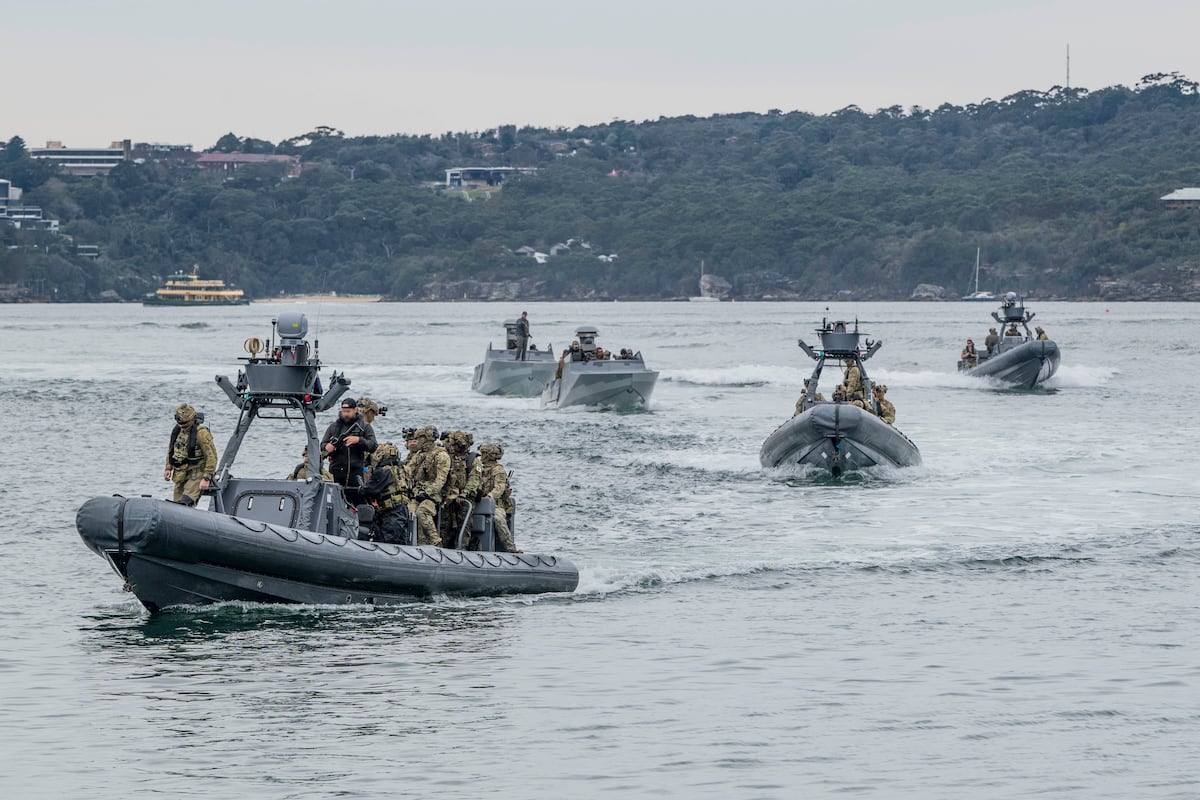
When service members come home with invisible wounds, the military has a responsibility to find them — and treat them. A government watchdog has found that Naval Special Warfare Command fell short of that duty when it came to identifying and treating traumatic brain injury in special warfare combat crewmen.
The inspector general’s report determined that Naval Special Warfare Command lacked a sufficiently comprehensive system to detect traumatic brain injury, known as TBI, among its special warfare combat crewmen — and that service members were not consistently receiving the follow-up care they needed after sustaining such injuries.
What the Watchdog Found
The inspector general’s findings pointed to a gap in how TBI is screened and monitored within this specialized community of Navy warfighters. TBI can result from a variety of combat exposures, including repeated wave impacts experienced during high-speed waterborne operations — a routine part of life for special warfare combat crewmen. Without a reliable, standardized method to catch these injuries early, affected service members risk going undiagnosed and untreated.
In response to these findings, the inspector general issued two key recommendations aimed at closing those gaps. First, Naval Special Warfare Command was directed to develop a more thorough and reliable process for identifying TBI specifically among special warfare combat crewmen, and to ensure that those found to have the injury are connected to follow-up treatment. Second, the command’s senior medical officer was called on to work directly with the branch chief of the Traumatic Brain Injury Center of Excellence to put a standardized checklist in place — one specifically designed to assess TBI caused by wave impacts.
Why This Matters for the Military Community
TBI is one of the most common — and commonly overlooked — injuries in the military. The nature of special warfare operations, which often involve fast-moving watercraft and repeated physical stress, puts combat crewmen at particular risk. A failure to catch and treat these injuries not only affects the health and careers of individual service members but can also have long-term consequences for the readiness of the force.
The watchdog’s call for a standardized checklist reflects a broader push across the armed services to bring more consistency and accountability to how TBI is identified and managed, particularly in high-risk specialties where the injury mechanism may not always be as obvious as a battlefield blast.
For families navigating military life and the health challenges that come with it, stories like this one are a reminder of the ongoing gaps that advocacy and oversight are working to close. Related coverage from Military Times includes reporting on nearly 500,000 veterans receiving a three-month break from life insurance premiums, a new presidential commission targeting quality of life for military spouses, and warnings about scammers targeting the goodwill of troops and their families.
Other recent developments in military news include the retirement of the longest-serving AAFES director, who expanded benefits for veterans and strengthened perks for all service members, and the U.S. Postal Service’s new Forever stamp honoring the Coast Guard Academy’s 150th anniversary. On the defense and national security front, the Pentagon has also launched a new Office of Religious Affairs reporting directly to Secretary Hegseth, and announced a new four-star command dedicated to autonomous warfare. Analysts are also watching developments abroad, as a former Ukrainian defense minister has launched an ‘Army of Robots’ initiative, and U.S. troops are developing AI-driven drone defense weapons.


Comments are closed.