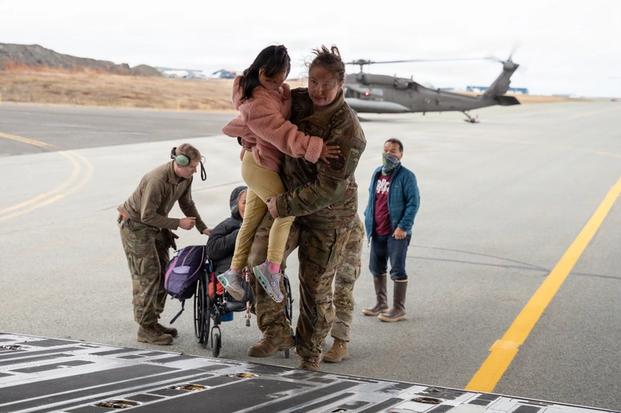
In October 2025, Alaska faced an unprecedented challenge as the remnants of Typhoon Halong swept through its western regions, bringing devastation in its wake. The storm unleashed hurricane-force winds and massive flooding, leading to the worst coastal surge the state had seen in decades. Homes across the Yukon-Kuskokwim Delta were destroyed, leaving hundreds of residents stranded in remote villages only reachable by air. The state, in collaboration with federal agencies, initiated a massive airlift operation to evacuate the affected population.
Massive Evacuation Efforts
The coastal villages of Kipnuk and Kwigillingok bore the brunt of the storm, with water levels rising to six feet above normal tides, surpassing previous flood records. The flooding rendered entire neighborhoods uninhabitable and quickly filled local shelters. Emergency responders coordinated a large-scale air evacuation to transport over 600 residents to Anchorage and Bethel. The mission involved military and chartered aircraft, including the Alaska Air National Guard C-17 Globemaster III, marking one of the largest air evacuations ever conducted in Alaska.
Challenges in Logistics and Relief
The logistics of the evacuation presented significant challenges due to flooded or debris-covered airstrips, which forced pilots to navigate short gravel runways with limited visibility. Initial evacuations from villages were carried out using Alaska Army National Guard helicopters and smaller aircraft, transporting residents to regional hubs like Bethel. From there, larger groups were flown to Anchorage using C-17 transport planes. Temporary shelters were established at Joint Base Elmendorf-Richardson, with assistance from the American Red Cross, to accommodate evacuees. The airlifts also delivered essential supplies such as food, fuel, and medical kits to communities cut off by flooding.
Federal and State Coordination
The Federal Emergency Management Agency (FEMA) activated a regional response center and deployed staff to Alaska to aid the storm response. The state’s transportation department used unmanned aircraft to assess damage in the affected areas. As evacuees were transported to Anchorage, joint efforts were made to manage shelter operations with state and local partners. President Trump’s approval of a major disaster declaration facilitated FEMA’s involvement in long-term recovery efforts, with support from hundreds of American Red Cross volunteers.

Impact and Recovery
The storm displaced over 1,500 residents, primarily Indigenous Alaskans, with at least one confirmed fatality and several missing persons. The National Weather Service reported wind gusts exceeding 100 mph and described the flooding as the most severe since the 1970s. As the immediate rescue efforts concluded, attention shifted to rebuilding efforts. Temporary shelters continued to house evacuees while federal disaster-aid teams evaluated long-term recovery needs. Governor Mike Dunleavy’s request for federal assistance was swiftly approved, unlocking funds for reconstruction. Damage assessments revealed that over 90% of structures in Kipnuk and about 35% in Kwigillingok were destroyed, prompting relief efforts to restore infrastructure before winter.

Lessons in Resilience
The airlift operation in response to Typhoon Halong tested the capacity of Alaska’s National Guard and underscored the importance of readiness in isolated regions. The successful coordination between military and local agencies highlighted the potential to save lives in extreme conditions. The event also served as a stark reminder of the vulnerabilities faced by remote communities, as the people of the Yukon-Kuskokwim Delta embark on the long road to recovery. The record-setting airlift stands as a testament to both the challenges and the resilience of Alaska’s response capabilities.