
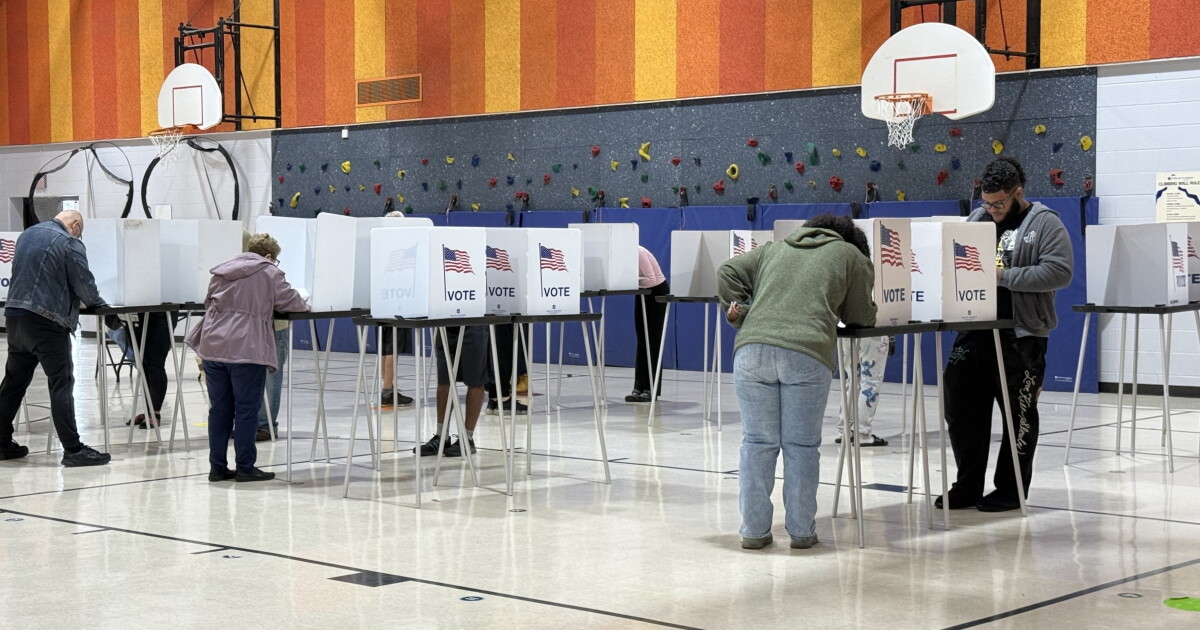
Michigan’s November 3 election is now officially part of the public record — a milestone that matters not just for candidates, but for every voter whose ballot was cast and counted. The certification process, often misunderstood, is a critical safeguard that ensures election results accurately reflect the will of the people.
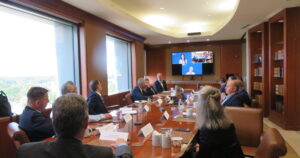
On Monday, the Michigan Board of State Canvassers gathered in Lansing to formally certify the results of the 2026 general election. You can watch the full proceedings from the meeting yourself. The roughly 50-minute session put the official stamp on results that reflect months of work by local election officials across the state.
Michigan Elections Director Jonathan Brater addressed the board with a reminder of what those vote tallies actually represent — not just numbers on a page, but the product of years of preparation by election workers at every level.
“The vote totals on these pages certainly represent the choices of Michigan voters but they also represent the countless hours that local election officials have spent over the past two years and through the post-election canvass period to deliver a smooth, efficient, secure and accessible election experience to our voters.”
Candidates who believe the results were inaccurate have until 5 p.m. Wednesday to request a recount. As of early Monday afternoon, the Michigan Bureau of Elections had not received a single recount petition. With only a few races decided by narrow margins, a formal recount challenge appears unlikely.
Unfounded Claims Raised at Certification Meeting
Not everyone at Monday’s meeting came to affirm the process. Some attendees used their time before the board to repeat false claims about election security. Among them was former Republican state Sen. Patrick Colbeck, a prominent figure in the widely discredited Stop the Steal movement, who raised concerns about technology he alleged was used at certain polling locations. Notably, Colbeck stopped short of claiming any votes were actually changed or manipulated.
“You can’t rule out that it didn’t happen … until you’ve inspected the machines and that’s what certification is all about,” Colbeck said.
Election officials push back firmly on this kind of reasoning. Michigan’s election equipment is tested before every election, and the public is invited to watch that testing firsthand. Board Vice Chair Mary Ellen Gurewitz didn’t mince words in her response to Colbeck, explaining that the board’s certification is backed by multiple layers of verification — not simply a formality.
“Our certification is not just a rubber stamp,” Gurewitz said before telling Colbeck, “Maybe it’s time to give it up.”
Shortly after board chair Richard Houskamp officially certified the results, the meeting was disrupted when a man in the audience launched a series of outbursts, including false claims about Sharia law, before being removed from the room.
What Certification Means for Voters Going Forward
Monday’s certification has real policy consequences beyond simply declaring winners. With the election now officially certified, a voter-approved campaign finance reform could begin taking effect as early as December 3.
The measure, which appeared on the ballot as Proposal 2, would restrict campaign donations from publicly regulated utilities and large government contractors — entities whose profits depend heavily on decisions made by state officeholders.
Lawyer Sam Bagenstos, who works for the coalition that placed the measure on the ballot, described it as a meaningful check on political influence.
“Monopolies that depend on state officeholders can’t contribute to those state officeholders as part of the pay-to-play effort to maximize their profits,” Bagenstos said.
The new law is already facing legal challenges. Public utilities and a free-market think tank have both filed separate federal lawsuits arguing the law unconstitutionally limits free speech. Both are seeking preliminary injunctions to block the law from taking effect while the litigation plays out.
The utilities are specifically challenging the new limits on their own donations. The Mackinac Center for Public Policy, meanwhile, is targeting campaign finance disclosure provisions — rules that wouldn’t go into effect for another 18 months. Mackinac Center lawyer Patrick Wright argued the provisions are too vaguely written to enforce effectively.
“I do think that this process of going through this litigation to clarify what, if anything, some of these terms mean is going to be edifying not just to ourselves but to those offices as well,” Wright said.
Wright indicated that court decisions on the new law could come within days, meaning the legal landscape around Michigan’s voter-approved campaign finance reform may shift quickly. For voters who backed the measure at the ballot box, the courts will ultimately determine how — and whether — their decision takes effect.
For a full breakdown of Michigan General Election Results 2026, the certified vote totals are now part of the official public record.










Comments are closed.