
Billions of taxpayer dollars flow into defense contracts every year, yet military service members are often barred from fixing their own equipment — forced instead to wait for private contractors to do the job. A provision that would change that is now in jeopardy, and a government watchdog says defense industry money may be the reason why.
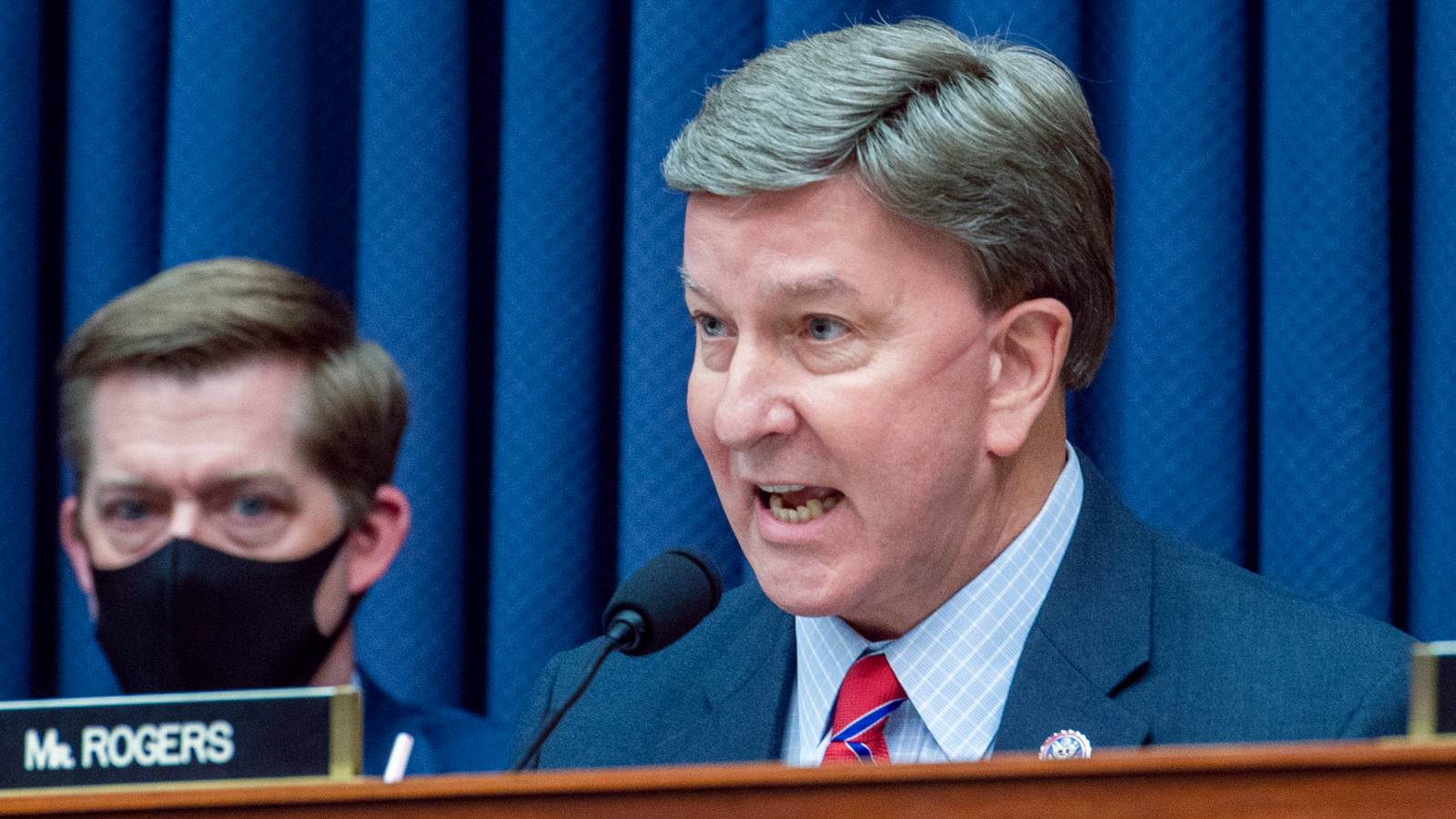
The “right to repair” provision, which would require defense contractors to provide military personnel with the technical data, tools, parts, and repair materials they need to fix equipment themselves, has cleared both the House and Senate Armed Services Committees in their respective versions of the Fiscal Year 2027 National Defense Authorization Act (NDAA). But Rep. Mike Rogers (R-Ala.), chair of the House Armed Services Committee, recently signaled that it likely won’t survive the final version of the bill.
Rogers explained his position by saying the Department of Defense failed to produce a single documented case where the lack of right to repair hurt service members.
“What we have asked the department to do is to give us every example of when you have not been able to get what you need from the companies through contract to make these repairs. Guess how many examples they were able to give us over the course of a year? Zero.”
He went on to say the issue can be resolved through contract negotiations rather than legislation.
“The fact is, this is something that can be contractually dealt with; they just don’t want to. I’m trying to get more people into the defense industry business, so I’m not going to start telling people I’m going to take your [intellectual property]. This is an issue that’s maybe a continued bit of political friction, but I don’t see us changing our policy anytime in the near future,”
Rogers added.
Under current law, military contracts often require contracting personnel to repair equipment rather than allowing trained service members to do so themselves. Critics argue this arrangement drives up costs, slows down repairs, and undermines military readiness — all while defense contractors benefit financially from the arrangement.
Watchdog: Industry Influence Is Driving the Decision
Virginia Burger, a Marine veteran and senior defense policy analyst at the government watchdog POGO, told Military.com she was only “half surprised” by Rogers’ stance. She noted that this is the second consecutive year the provision has advanced through both chambers of Congress, only to face resistance at the final stage.
“That being said, this is the second year that it’s been pushed for in the NDAA, and it has passed in both chambers in some capacity — whether that was coming out of committee, or in the case of the House this year, a full House vote,”
Burger said.
Burger pointed to bipartisan support as evidence that the opposition isn’t coming from lawmakers broadly. The provision has been championed by legislators as politically different as Sen. Tim Sheehy (R-Mont.) and Sen. Elizabeth Warren (D-Mass.), who together introduced the Warrior Right to Repair Act as part of the FY26 NDAA. The bill would require contractors to supply the materials needed to minimize the impact on military readiness.
“They are about as far opposite as you could get in most other things when it comes to general political ideology,”
Burger said, also pointing to Rep. Pat Harrigan (R-N.C.), a military veteran who has been a vocal opponent of the defense industry’s outsized influence in Washington.
Burger was direct in naming what she believes is the actual obstacle: defense contractor lobbying.
“They’re the only ones that would lose, frankly, if right to repair passed. And when I say lose, they’re still going to be making billions of dollars — just maybe not quite as easily as they did before. And they’re going to have to actually engage in slightly more good faith negotiations with the Department of Defense because it would be statutorily required.”
She added that the defense industry
“has always spent an inordinate amount of money to maintain that influence on the Hill,”
pointing to what she described as greater resistance in the House compared to the Senate.
Burger didn’t hold back in assessing Rogers’ position.
“I thought that maybe Rogers would save some face this year and not want to be considered so wholly owned by industry, given all the factors working against him on Capitol Hill. I guess I was wrong.”
Public Support Is Wide, Costs Are Real
The fight over right to repair isn’t taking place in a vacuum. A survey published in June by the Specialty Equipment Market Association (SEMA) found that more than three-quarters of Americans polled in a survey endorsed right to repair, with roughly 78.9% of 1,090 respondents expressing support across ideological lines. Another 73.5% said they supported including the provision in the final NDAA.
Supporters of the measure have also pointed to real-world consequences of the status quo. The $2 trillion F-35 program has faced delays and costly maintenance problems, documented by the Government Accountability Office in both 2023 and 2024.
Meanwhile, defense spending continues to climb. Both the House and Senate have unveiled defense budgets surpassing $1 trillion this year, with the Senate’s proposal reaching $1.2 trillion. Defense Secretary Pete Hegseth has pushed for an even larger $1.5 trillion defense budget, warning in July that failing to reach that number would be the “greatest threat” to America’s safety and security. Neither chamber has passed their respective budgets yet, as Congress navigates a Dec. 11 government funding deadline.
What Comes Next
Even if right to repair is stripped from this year’s NDAA — or included only in a weakened form — Burger believes the political landscape is shifting in the provision’s favor. With a new congressional session on the horizon, she noted that Rogers will no longer chair the House Armed Services Committee, and an influx of new Democratic senators could change the calculus significantly.
“You tell a bunch of freshmen Democratic senators who are there to shake things up when it comes to industry influence and corruption, ‘Here’s a provision that would limit defense contractors from gouging the American taxpayer,’ yeah, they’re going to vote for that. So, it’s going to pass the House again. It’s going to pass the Senate again.”
“What would be markedly different next year is Mike Rogers won’t be chairman,”
Burger said.





Comments are closed.